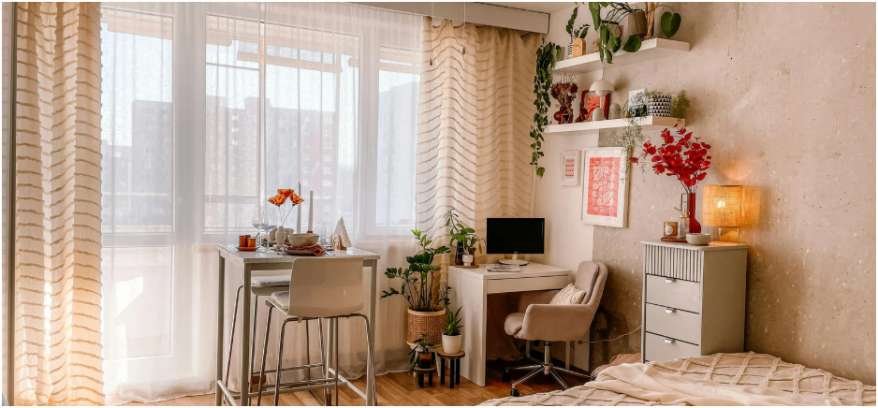
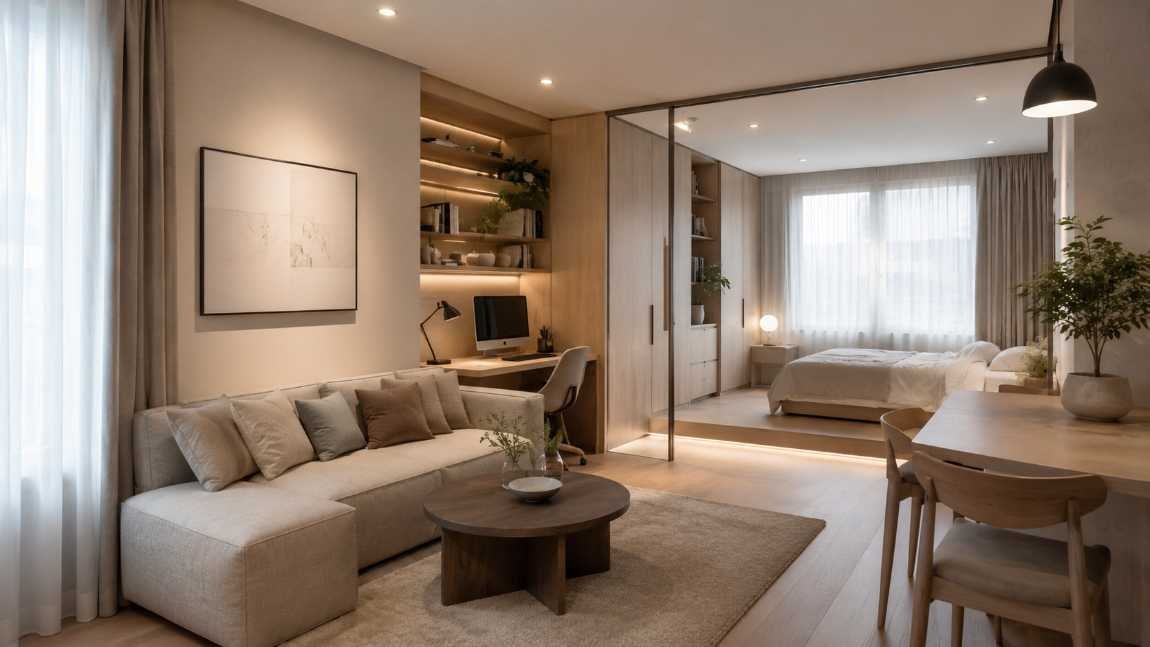
The excitement of moving into a new apartment is often met with the physical reality of limited square footage. While urban living offers convenience and independence, cramped environments can quickly create mental clutter, increasing stress levels and draining focus.
However, thriving in a micro-apartment isn’t about owning fewer things; it’s about mastering spatial efficiency and comfort. By prioritizing sensory well-being and intelligent design, you can transform the smallest studio into a peaceful sanctuary.
Zoning for Mental Clarity and Flow
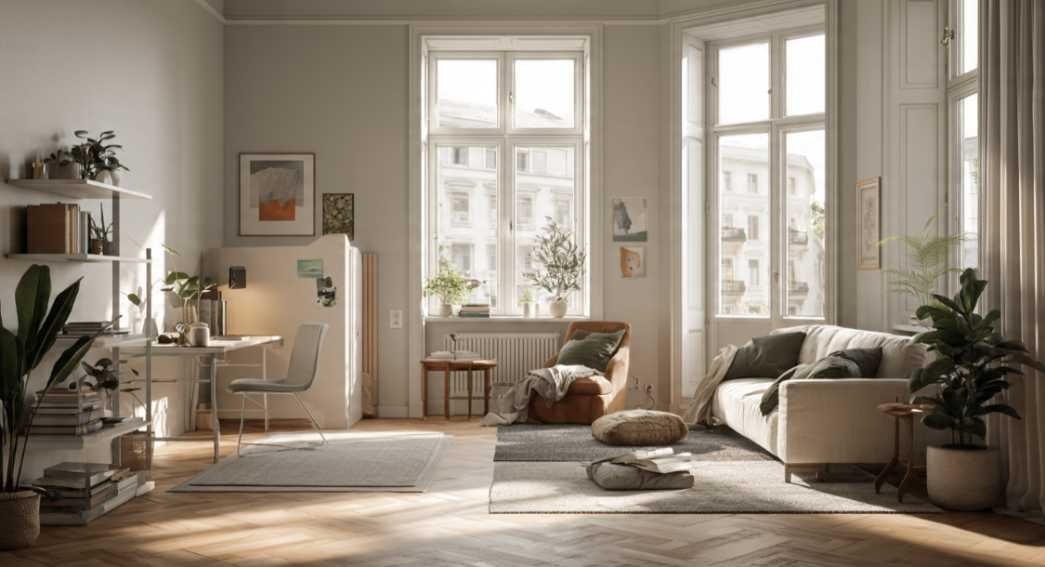
When living in a single room, daily activities naturally begin to bleed into one another. Without clear boundaries, your brain can become confused, making it difficult to focus during work or unwind before sleep. Creating distinct “zones” is essential for maintaining a sense of order and peace.
- Visual Anchors: Use area rugs to visually separate a living area from a workspace.
- Behavioral Boundaries: Designate “quiet zones” where a partner can go for uninterrupted time alone.
- Acoustic Courtesy: In shared small spaces, invest in noise-canceling headphones to minimize auditory overlap during business calls or leisure time.
- Furniture Arrangement: Instead of pushing all furniture against the walls, create intimate seating areas that encourage conversation and closeness.
Investing in Multi-Functional and Vertical Solutions
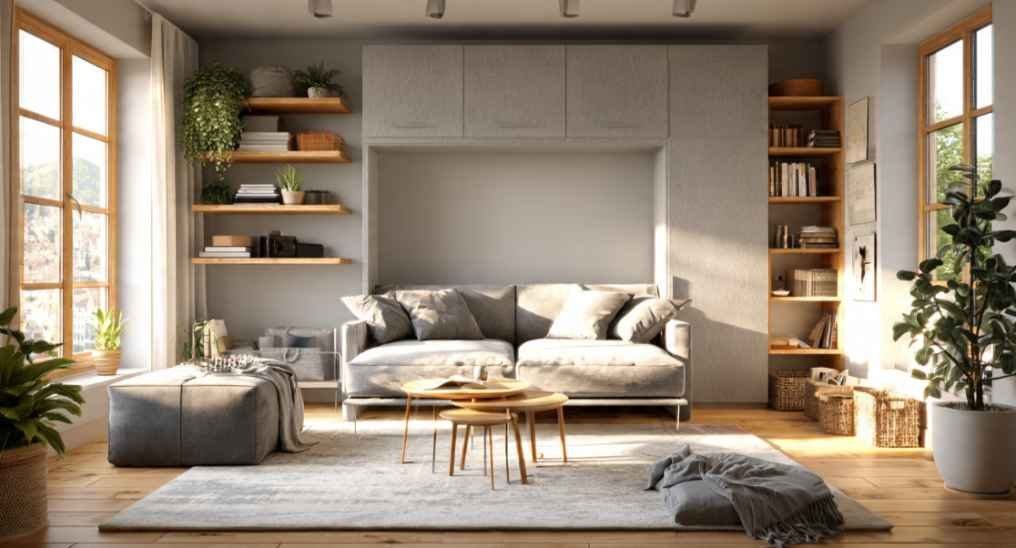
Traditional furniture is a luxury that tiny apartments cannot always accommodate. Every piece brought into the home must earn its keep by serving more than one purpose.
This is where ideas from small space big style making most of compact homes can help renters choose smarter layouts, flexible furniture, and storage solutions that make a small apartment feel more open.
Dual-purpose sleep systems, such as a sofa Murphy bed, allow a studio to feel twice as large during the day by eliminating the permanent footprint of a traditional bed.
Other staples of organized living include storage ottomans that double as seating and nesting tables that slide away when not in use.
When floor space is exhausted, utilize the upper halves of your walls. Installing floating shelves above a desk or bed provides a home for books and decor, keeping primary surfaces clear and visually expanding the room.
For those with traditional bed frames, inexpensive bed risers can create hidden repositories for out-of-season clothing or sports equipment.
Optimizing the Indoor Environment
Comfort is as much about the atmosphere as it is about the furniture. Poor air quality, harsh lighting, and fluctuating temperatures can subtly drain your energy. Small-apartment renters and owners can also avoid seasonal comfort issues by learning the homeowner mistakes that leads to winter energy blunders before colder weather raises utility costs or makes the space feel less cozy
Maximizing natural light is a game-changer, making small spaces feel larger and more inviting. Use sheer curtains to allow sunlight to flood the room while maintaining privacy. For evenings, implement layered lighting by combining ambient overhead lights with warm task lamps and accent LED strips. Warm, amber bulbs are especially effective for creating a sense of relaxation.
Air quality also plays a massive role in comfort. Regularly replacing HVAC filters and introducing air-purifying plants like snake plants can reduce airborne contaminants and odors.
For residents in areas with unpredictable seasonal shifts, ensuring a reliable climate control system is essential for maintaining a refreshing haven during the summer months.
Creating the Ultimate Sleep Sanctuary
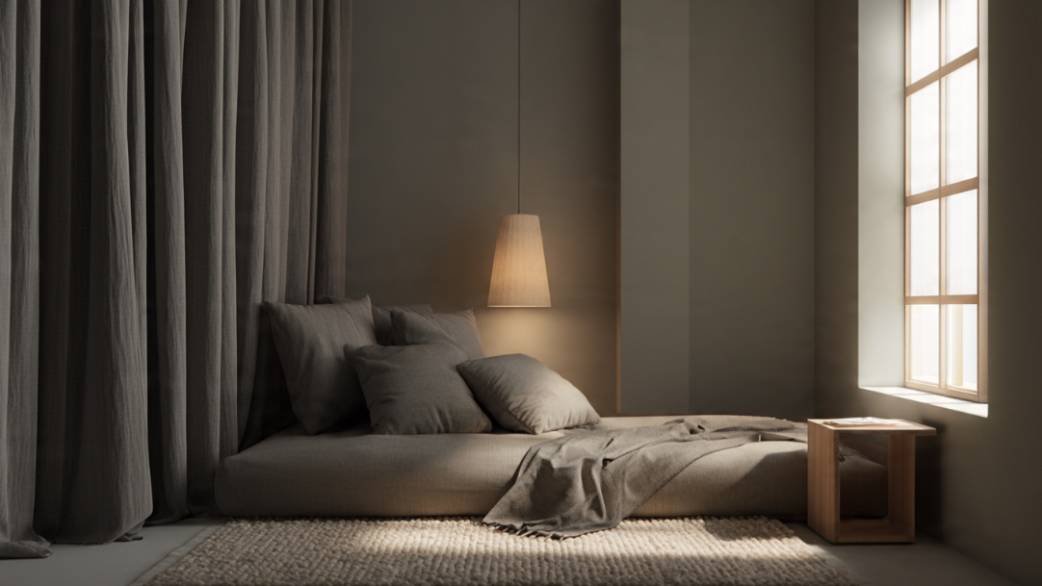
Since we spend roughly a third of our lives asleep, the bedroom area should be the highest-comfort zone in the apartment. True relaxation begins with the foundation of your rest—the bedding and mattress.
Upgrading to breathable, natural fabrics like Egyptian cotton or linen helps regulate body temperature, while blackout curtains block out streetlights to ensure uninterrupted sleep cycles. However, the most critical component is a mattress that supports your specific sleep position and comfort needs.
If you find your current bed isn’t meeting those standards, visiting a showroom to find a high-quality mattress in West Jordan can provide the personalized support needed for restorative rest. Stores that offer a 100-night comfort promise and best price guarantee can take the pressure out of this vital investment.
Developing Disciplined Organization Habits
Physical accumulation is the silent enemy of small-space living. Without a strict filtering system, clutter will inevitably overwhelm a shared home.
Many successful residents implement the “one-in, one-out” rule: for every new item brought into the home, an old item must be donated or recycled. Digitizing the academic or professional workflow is another powerful tool.
By shifting notebooks, files, and textbooks onto cloud-based platforms, you eliminate visual chaos on desks and nightstands. Finally, conducting monthly collaborative audits to evaluate shared spaces ensures that clutter never has the chance to creep back into your living zones.
Living in a small apartment does not mean sacrificing a high quality of life. It simply requires looking at your environment through a lens of creativity and efficiency.
By defining zones, choosing smart furniture solutions, and prioritizing a high-comfort sleep sanctuary, you can transform a tight studio into a peaceful retreat. Your home should serve as a launchpad for your success, offering a sanctuary of comfort and efficiency every single day.