
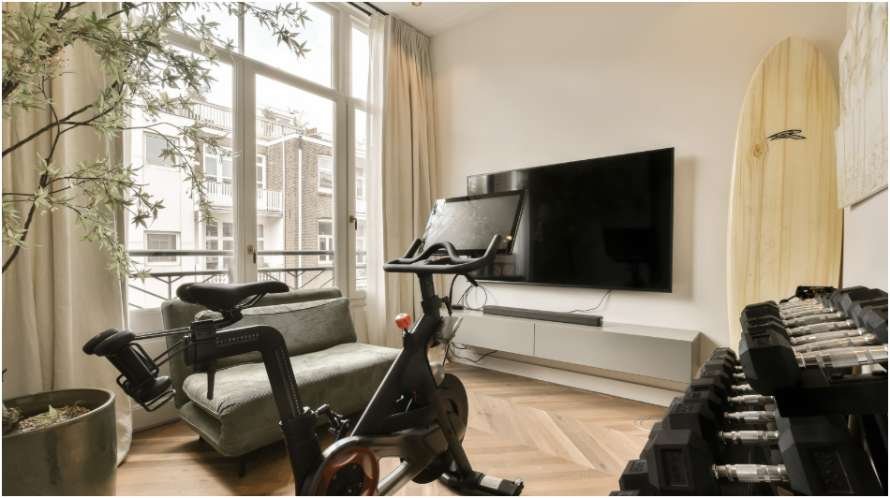
Stepping into a home gym or a dedicated workout corner should instantly flood you with energy, focus, and motivation. You have set aside the time, put on your training gear, and locked in your workout playlist. Yet, within minutes, your momentum hits a wall. You find yourself tripping over a stray pair of hex dumbbells, untangling a messy heap of resistance bands, or moving a foam roller off your utility bench just to set up for a lift.
In most residential fitness setups, gym clutter is rarely caused by a lack of personal discipline. Instead, it is the predictable consequence of trying to fit modern fitness gear into a space without a clear storage plan. When iron weights, yoga mats, medicine balls, and specialized electronics are scattered across generic floor surfaces, your training space becomes a safety hazard and a major source of mental friction.
Transforming your workout area into an organized, high-output training sanctuary requires moving past loose piles and using smart storage structures. By mapping your floor layout, utilizing vertical spaces, securing heavy-duty shelving, and streamlining weight storage, you can completely eliminate gym clutter and keep your workouts moving smoothly.
1. Map the Floor Using Home Gym Zoning
The absolute foundation of an organized workout space is functional flow. A common mistake fitness enthusiasts make is scattering heavy equipment arbitrarily based on where it fits visually, forcing themselves to constantly move gear back and forth during a fast-paced circuit.
To optimize your workout flow, organize your space around three functional training layers: the strength zone (power racks and free weights), the conditioning zone (cardio machines or open floor space), and the recovery zone (yoga mats, rollers, and mobility bands).
Arrange these areas sequentially so your movements flow smoothly from one exercise to the next without physical bottlenecks. Keeping your central floor lanes open allows you to execute dynamic movements like lunges or kettlebell swings safely without constantly stopping to clear a path. A planned layout for the exercise area is one of the best impacts of good design on long-term property value.
2. Elevate Gear Using Vertical Storage Racks
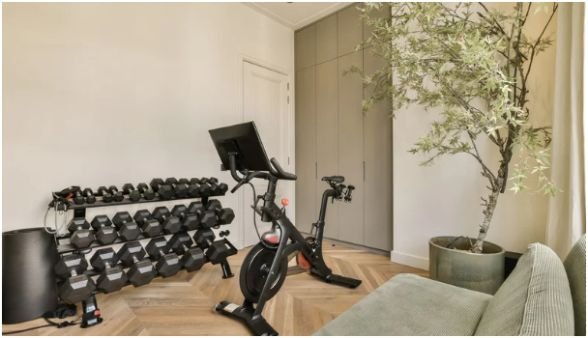
Leaving wall space bare while crowding your valuable floor real estate with loose items is a primary gym organization error. Flat gym floors naturally attract clutter, and once your primary lifting deck becomes a temporary home for light accessories, your workout momentum grinds to a halt.
High-efficiency training zones solve this by installing heavy-duty pegboards, custom wall tracks, or specialized vertical storage racks across open walls. Hanging your long resistance bands, jump ropes, lifting belts, and yoga mats on secure wall hooks clears your floor space for actual movement.
Using dedicated vertical wall prongs ensures you can glance up and grab the exact band or accessory you need in a single second, entirely eliminating the time spent hunting through a deep gym bag.
3. Leverage Built-In Custom Enclosures for Fitness Wardrobes and Tech
While open steel racks hold heavy iron weights beautifully, managing variable fitness assets—such as specialized athletic apparel, lifting shoes, heart rate monitors, yoga blocks, and fresh gym towels—demands an unyielding, high-capacity internal framework. Relying on basic plastic bins or open shelves causes your workout gear to look messy, collect airborne dust, and leaves your high-value training electronics unprotected.
If your home fitness sanctuary is situated in a region characterized by active lifestyles and seasonal sport variations, choosing an engineered perimeter storage system ensures your training gear remains clean and accessible. If you are using garage to keep your exercise equipment, use a garage maintenance checklist to organize and maintain it.
Homeowners looking to optimize their home gyms or spare bedrooms invest in custom-built cabinetry networks to permanently solve their organization challenges.
Utilizing premium custom closet systems in Salt Lake City allows you to install specialized shelving networks, hidden hamper cavities, and custom shoe arrays that anchor securely into your wall framing. These heavy-duty home organization systems provide an exceptional, long-term solution to workout mess, keeping every accessory cataloged and off the floor.
By locking in a clean, professional closet structure, you eliminate visual chaos, protect your expensive fitness technology, and give your training space a beautiful, modern aesthetic that maximizes your square footage.
4. Deploy Modular Weight Trees and Horizontal Dumbbell Trays
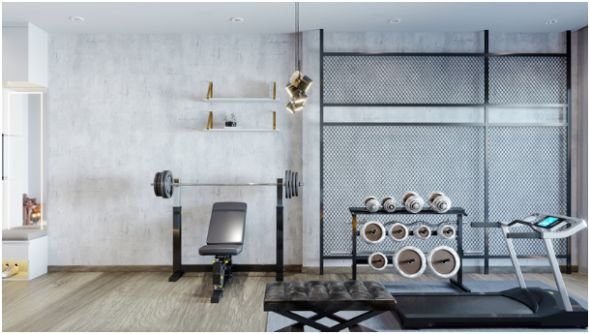
Heavy free weights are the hardest assets to manage safely inside a residential layout. Leaving heavy iron plates or steel dumbbells directly on the carpet or rubber gym mats damages your subfloor, poses a severe stubbed-toe hazard, and makes cleaning the floor nearly impossible.
Organized lifters isolate themselves from these safety risks by using structural A-frame weight trees and tiered horizontal dumbbell trays. Keeping your weights off the floor on a steel frame protects your floor structure and preserves your energy for the actual lift.
When a training session wraps up, returning the weights to their labeled slots keeps your training deck clear and lets you verify that your set is complete at a single glance.
5. Build a Dedicated Preventive Equipment Maintenance Station
A major cause of sudden home gym delays is unexpected equipment wear. When a selectorized cable stack begins to stick mid-rep, an indoor cycle chain slips, or a treadmill deck builds up friction, your training session halts while you handle a mechanical emergency.
Organized spaces avoid these disruptions by establishing a specific preventive equipment maintenance station. Stock this area with high-purity silicone equipment lubricants, microfiber gym wipes, non-toxic sanitizing sprays, and a basic toolkit for tightening loose bolts.
Keeping a quick cleaning kit right next to your equipment encourages you to wipe down sweat and check cables at the end of every workout, ensuring your machinery remains completely reliable, sanitary, and safe for every session.
Conclusion
Keeping exercise equipment organized is never an accidental feature of standard home decorating; it is a calculated triumph of proactive planning, functional layout tracking, and smart storage selection. By replacing chaotic floor piles with graded home gym zones, vertical wall racks, premium custom closet systems, and structural weight trees, you successfully protect your workout hours from frustration.
Taking the time to systematically organize your training space from the ground up removes hidden friction from your fitness routine. Investing in these core design safeguards guarantees that your home gym stops behaving like a messy chore and transforms into a beautifully resilient, deeply efficient sanctuary designed to deliver absolute focus, physical safety, and uncompromised peace of mind for decades to come.