
A roof does more than shield a property from harsh weather. It plays a major role in energy use, indoor comfort, and long-term property value. Cool roof systems, designed to reflect more sunlight and absorb less heat, continue to gain attention for their efficiency benefits. Lower surface temperatures can reduce strain on cooling systems and support a more stable indoor climate.
Many property owners remain unaware that financial advantages may extend beyond utility savings. Certain upgrades may qualify for tax deductions for new roof installations under energy efficiency guidelines. This article explores the hidden tax perks tied to cool roof systems and how they can support smarter financial planning.
Cool Roof Systems and Energy Incentives
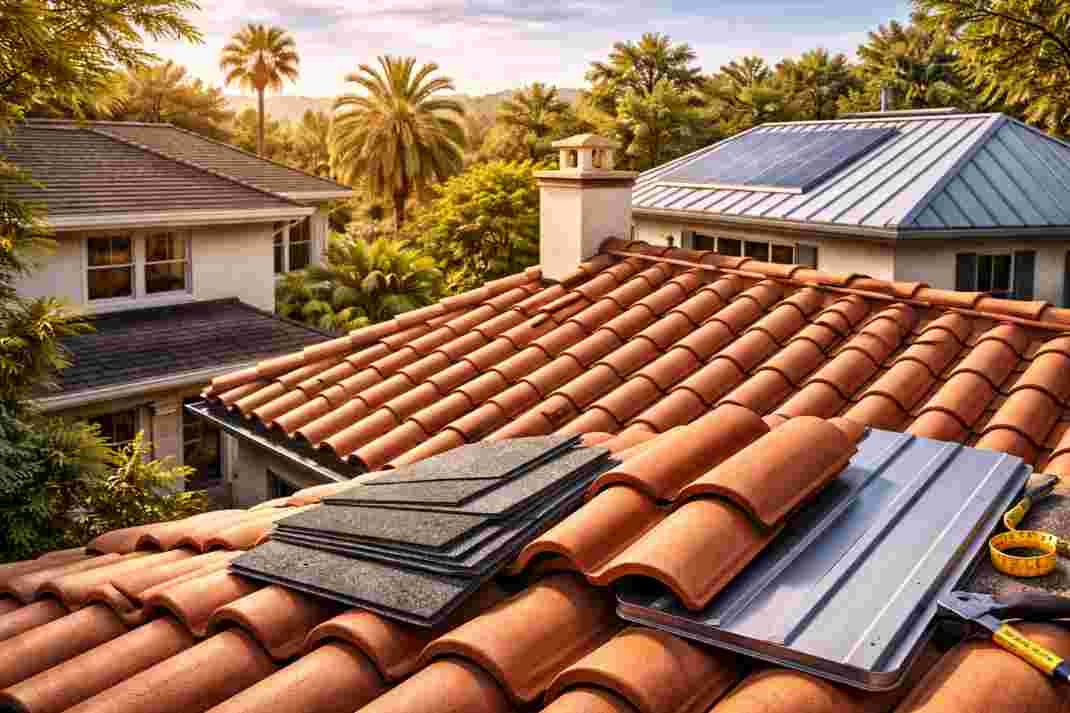
Cool roof technology relies on reflective materials such as specialized shingles, coatings, or metal panels. These products reduce heat transfer into the structure. Less heat inside often leads to reduced air conditioning use and lower energy costs.
Federal, state, or local programs sometimes reward energy-efficient improvements. These incentives may appear as credits, rebates, or deductions tied to qualifying upgrades.
Common Incentive Types
- Federal energy efficiency tax credits
- State-level rebate programs
- Utility company incentive offers
- Local sustainability grants
Eligibility depends on product certification and installation standards. Property owners should confirm that materials meet required performance ratings before project approval.
Material Certification Matters
Reflective ratings, solar reflectance index values, and manufacturer documentation often determine qualification. Professional contractors typically provide product details needed for tax records.
Depreciation Benefits for Commercial Properties
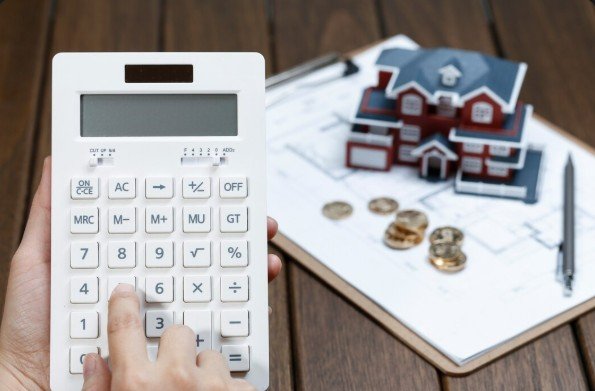
Commercial property owners may access additional financial advantages. In some cases, roofing options for replacement may qualify for accelerated depreciation under current tax codes. This allows faster recovery of improvement costs compared to traditional schedules. Section 179 provisions and bonus depreciation rules sometimes apply to qualified improvements.
These options can reduce taxable income during the same year as installation. Tax professionals should review eligibility requirements for each property. Documentation from contractors, including invoices and material specifications, supports accurate reporting.
Energy Efficiency Credits for Residential Projects
Residential upgrades may also qualify for federal energy credits if products meet specific criteria. Reflective roofing materials that improve energy performance often fall under approved categories.
Potential Residential Benefits
- Federal clean energy credits
- State-level efficiency incentives
- Property tax assessment protection in some areas
Homeowners should verify program details each year, as regulations may change. Receipts, certification statements, and installation records remain essential for tax filing accuracy. Energy credits often apply to primary residences. Rental or secondary properties may follow different rules. Clear guidance from a qualified tax advisor ensures compliance.
Long-Term Property Value and Assessment Impact
Cool roof systems can influence overall property value. Energy-efficient improvements often appeal to buyers who seek lower utility costs and modern performance standards. In some regions, local governments offer property tax assessment exclusions for approved upgrades.
Such exclusions prevent reassessment increases based solely on energy improvements. This means property owners may enjoy enhanced performance without an immediate tax burden tied to a higher appraised value.
Later in the project year, discussions with a tax professional can clarify available tax deductions for new roof upgrades linked to efficiency standards. Proper documentation and product certification remain critical during this process.
Contractors experienced in energy-efficient systems often assist with required paperwork. Accurate installation and approved materials ensure compliance with incentive guidelines.
A cool roof system offers more than temperature control and energy savings. Hidden tax perks may provide meaningful financial relief through credits, depreciation benefits, and assessment protections. Careful product selection and proper documentation help secure available incentives.
Consultation with qualified tax professionals ensures accurate reporting and compliance. A well-planned upgrade can support both environmental goals and long-term financial strength.