
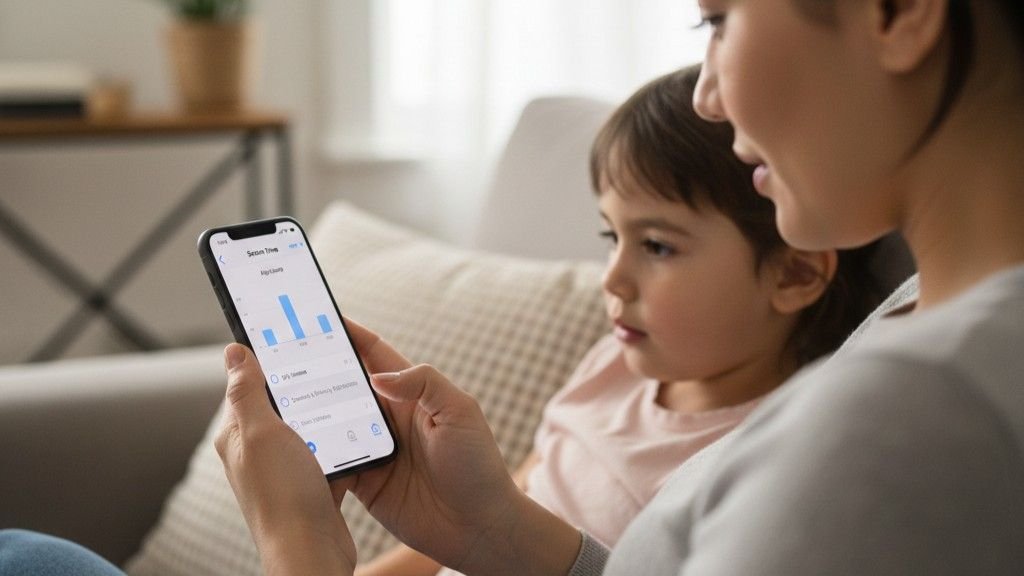
As parents, we’ve all had that moment where we feel guilty about letting our kids have screen time. It’s a dilemma we face daily — should we limit it? Should we just let them enjoy it? I remember the first time I allowed my son to watch a full episode of a show on my tablet. Initially, I was filled with guilt
But over time, I realized that with the right balance, screen time doesn’t have to be a villain. In fact, it can be a tool for learning and entertainment. Let’s understand how to navigate screen time for kids, find a healthy balance, and ensure it’s enriching rather than overwhelming.
Why Finding the Right Balance for Screen Time is Crucial
Finding the right balance for screen time is more than just counting hours. It’s about considering your child’s age, development, and the content they are consuming. The American Academy of Pediatrics (AAP) and the World Health Organization (WHO) provide detailed guidelines to help you manage screen time effectively. The key is to ensure that screen time doesn’t interfere with your child’s physical activity, sleep, or social interactions.
Recommended Time Limits by Age
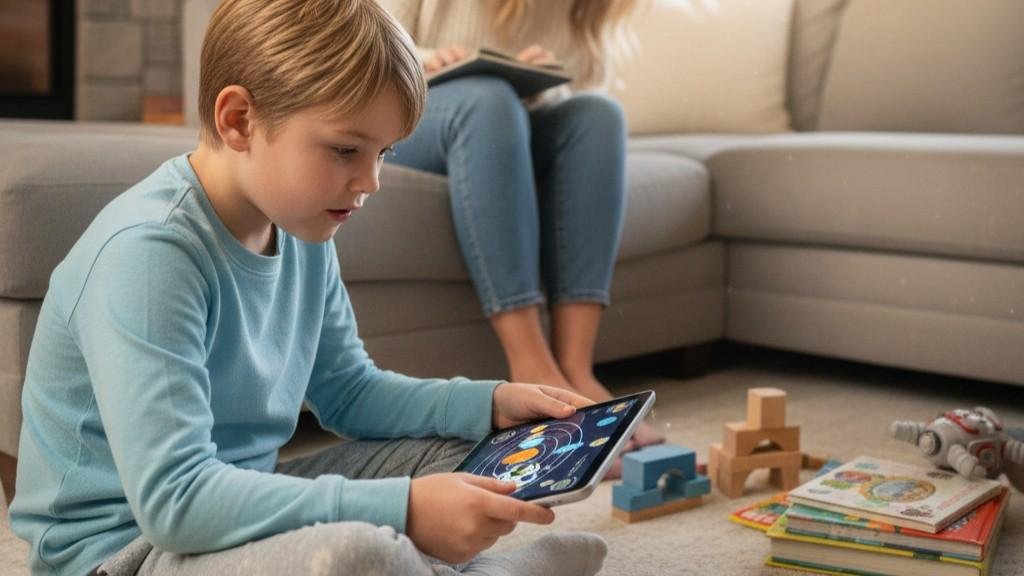
Under 18–24 Months: No Screen Time
For children under 18 months, no screen time is recommended. The exception is video chatting with family and friends. At this stage, the priority is engaging in face-to-face interactions that support language development and social skills.
18–24 Months: Keep It Educational
If you decide to introduce screen time to your 18-24-month-old, choose high-quality educational content. The AAP recommends co-viewing, meaning you watch the content together, so you can help your child understand what they’re seeing. Co-viewing makes screen time more interactive and educational.
2–5 Years: Limit Non-Educational Screen Time
For toddlers and preschoolers, 1 hour of screen time per weekday and up to 3 hours on weekends is recommended. The content should be educational, encouraging creativity, learning, and positive social behaviors. It’s also important to keep screen time interactive, like using educational apps or engaging TV shows that promote active participation.
6 Years and Older: Create a Family Media Plan
For children 6 years and older, instead of strict limits, the AAP suggests creating a customized Family Media Plan. This plan ensures that screen time doesn’t interfere with important activities like sleep, physical activity, or social interaction. Encourage your children to balance their screen time with other offline activities such as outdoor play, reading, or family time.
Strategies for Healthy Screen Use
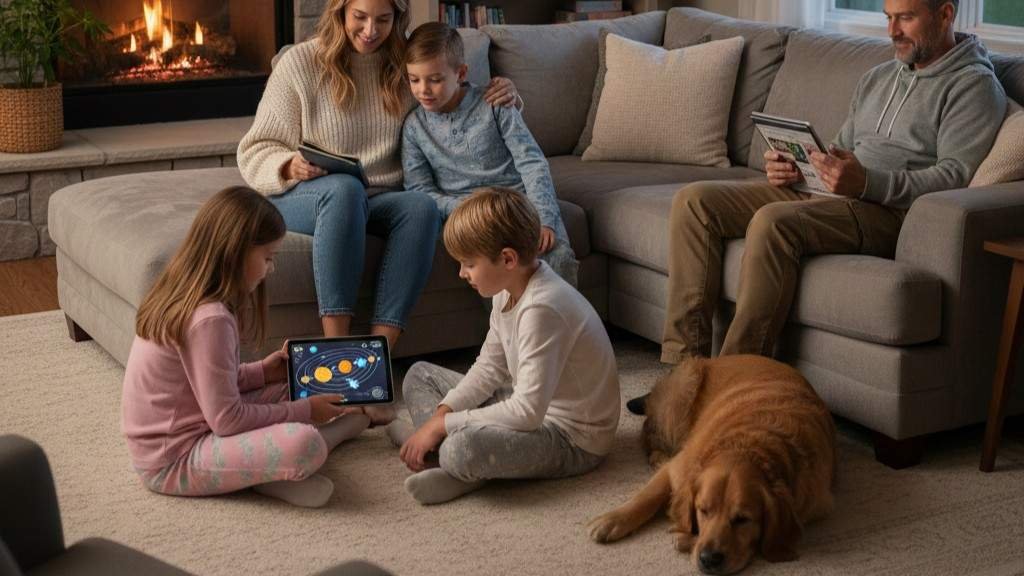
Prioritize “Co-viewing” to Improve Social Learning
Co-viewing is an excellent strategy for healthy screen use. Watching content together gives you the chance to discuss the material and help your child understand what they’re seeing. This also enhances their language skills and social learning. Discussing shows or apps allows you to reinforce positive behaviors and correct any negative messages.
Designate Tech-Free Zones in Your Home
To help your kids develop a balanced relationship with screens, it’s essential to establish tech-free zones. Keeping screens out of bedrooms and away from family mealtimes promotes better sleep and stronger family bonds. Mealtime is a great opportunity for conversation and connection, so make it a rule that no screens are allowed during meals.
Apply the “30-30-30” Rule to Prevent Eye Strain
Excessive screen time can cause eye strain and discomfort. To reduce this, apply the 30-30-30 rule: every 30 minutes, have your child look at something 30 feet away for 30 seconds. This simple rule helps relieve eye fatigue and improves focus. Additionally, encourage your child to take a break after 30 minutes of screen time to engage in physical activities.
Model Healthy Screen Habits
Children often mimic their parents. So, if you’re constantly glued to your phone, your child will likely follow suit. Modeling healthy screen habits is key. Limit your phone use during family time, and avoid using screens right before bed. Show your children that you can manage your own screen time and that it’s okay to disconnect.
Vet Content Quality Using Trusted Resources
It’s crucial to vet the content your child is consuming. Use resources like Common Sense Media to find age-appropriate, interactive, and educational apps or shows. High-quality content helps foster creativity, learning, and emotional growth.
Avoid content that’s overly commercialized or not aligned with your family values. Avoid content that’s overly commercialized or not aligned with your family values. Furthermore, digital wellbeing and parental controls help ensure your child engages with age-appropriate, educational content.
Potential Risks of Excessive Screen Time

While screen time can offer educational benefits, excessive use can lead to several risks:
Sleep Disruption
One of the biggest risks of excessive screen time is its impact on sleep quality. The blue light emitted from screens disrupts melatonin production, making it harder for children to fall asleep. To promote better sleep, limit screen time at least 30 minutes before bedtime.
Developmental Delays
Excessive screen time, particularly in younger children, can interfere with language development and social skills. Young children learn best through interaction, not by watching a screen. Too much passive screen use can limit their ability to engage in meaningful conversations or develop essential social skills.
Physical Health Issues
When kids spend too much time on screens, it encourages sedentary behavior, which increases the risk of obesity. Many kids snack while watching TV or playing games, leading to unhealthy eating habits. Encouraging physical activity, such as outdoor play or sports, is essential for combating these health risks.
Mental Health Concerns
Social media and excessive screen time can contribute to mental health issues in older children and teens. Studies have shown that increased use of social media is associated with higher rates of anxiety, depression, and low self-esteem. It’s essential to monitor your child’s screen time and encourage healthy social media habits.
Frequently Asked Questions
1. How do I manage my child’s screen time when they constantly ask for more?
Setting clear boundaries is key. Let your child know how much screen time they have each day and stick to it. When they ask for more, remind them of the rules. Encourage alternative activities like reading, drawing, or outdoor play to distract them.
2. What if my child doesn’t want to stop playing games or watching TV?
This can be challenging, but giving your child a heads-up can help. Let them know when it’s almost time to turn off the screen, such as with a 10-minute warning. Offer a fun alternative, like a family game or a creative activity, to ease the transition.
3. Is it okay for my kids to use screens for educational purposes?
Yes, educational screen time is a great way to enhance your child’s learning. Choose apps and content that promote problem-solving, creativity, and active engagement. Co-viewing is a great way to make sure the content aligns with your educational goals.
4. How do I create a Family Media Plan for my kids?
A Family Media Plan helps balance screen time with other important activities. Start by setting screen time limits based on your child’s age and needs. Include guidelines for content quality, screen-free zones, and activities that should not be replaced by screens, like physical exercise or family meals.
Screen Time for Kids Doesn’t Have to Be a Battle
Managing screen time for kids is all about finding the right balance. With clear boundaries, healthy habits, and the right kind of content, screen time can be a tool for learning and connection, not stress and frustration. As parents, we can model the behavior we want to see and set up an environment that promotes a balanced lifestyle.
Here’s a personal tip: Make screen time fun! Set up interactive learning games or family movie nights to bond over technology. Remember, balance is key, and small changes can make a big difference in promoting healthy screen habits.