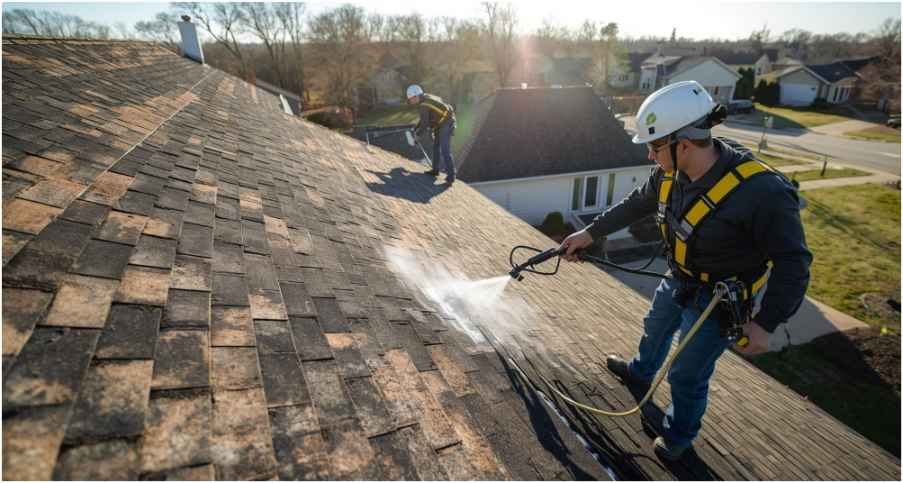
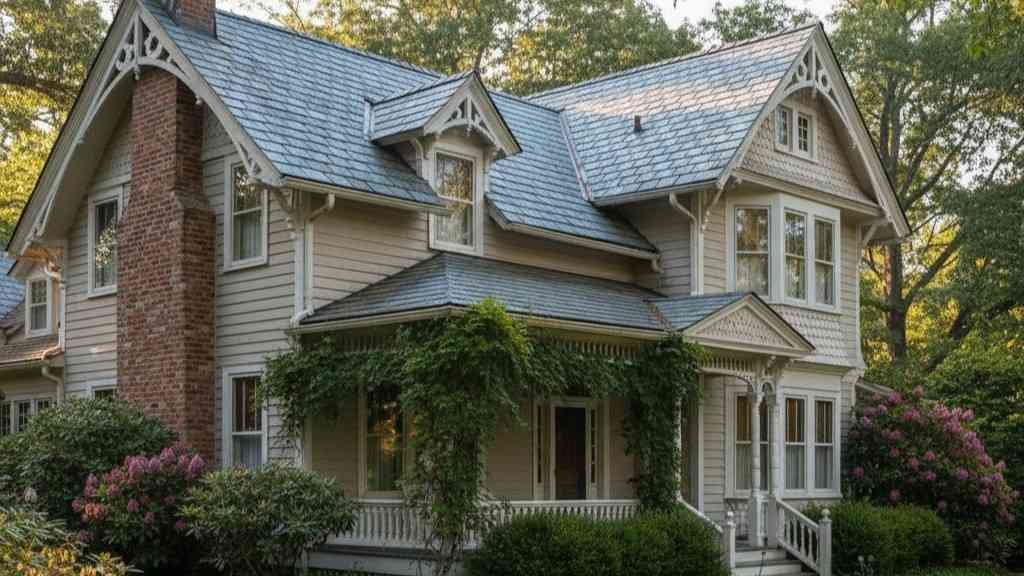
Finding roofing options for historic homes is quite the struggle. When I first moved into my historic home, the charm of its original features, from the intricate moldings to the original hardwood floors, was simply unbeatable. But as time went on, the roof began showing signs of wear, and I faced the challenge of maintaining the home’s historic integrity while ensuring the roof could withstand modern weather.
After much research, I discovered the best roofing options for historic homes, combining preservation with practicality. In this guide, I’ll walk you through my process and share the tips that helped me choose the perfect roof for my beloved home.
What Makes Roofing for Historic Homes Different?
Roofing options for historic homes aren’t just about slapping on a modern material and calling it a day. Historic homes come with unique challenges that newer homes don’t face, like maintaining architectural accuracy and adhering to local preservation guidelines. The right roof for a historic home needs to balance authenticity with durability to protect the house for generations to come.
Traditional Roofing Materials for Historic Homes
When you have a historic home, it’s important to consider the original materials used for the roof. Matching these materials preserves the conceptual design integrity of your home while maintaining its historic charm. Here are the traditional roofing materials often recommended for historic homes:
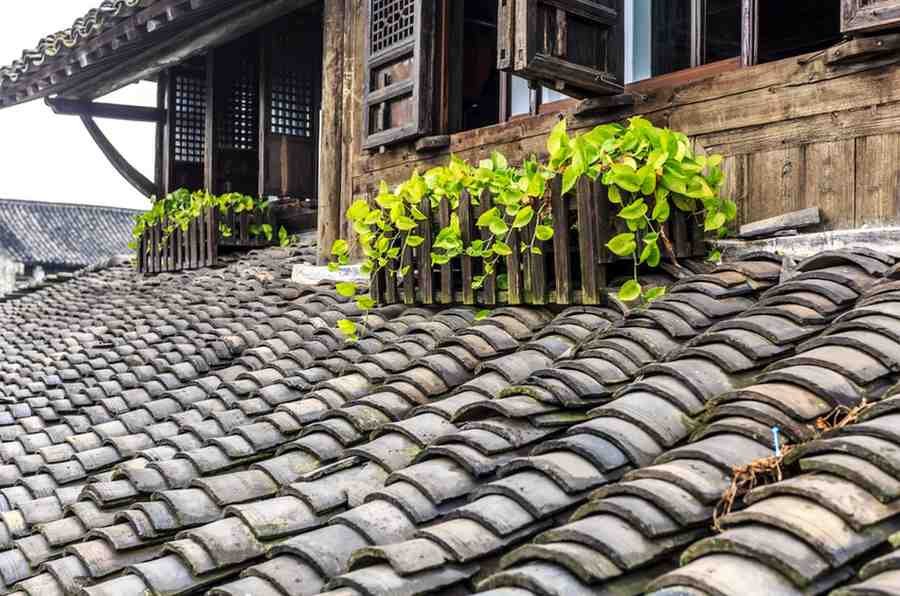
Slate: The Timeless Classic
Slate is a premium roofing material that has been used for centuries. Known for its durability, slate roofing can last anywhere from 75 to over 100 years. It’s a fire-resistant option that works beautifully with Colonial, Georgian, and Victorian homes. While it’s incredibly long-lasting, it’s also quite heavy, which may require additional structural support.
Pros:
- Long lifespan of 75-100+ years.
- Fire-resistant and durable.
- Adds timeless, sophisticated charm to your historic home.
Cons:
- Expensive to install.
- Requires structural reinforcement due to weight.
Wood Shingles & Shakes: Rustic Charm
Wood shingles and shakes were once the go-to material for historic homes, especially Colonial Revival, Dutch Colonial, and Folk Victorian styles. Traditionally made from cedar, oak, or cypress, these materials provide a rustic, natural look. However, they require regular maintenance, such as sealing and staining, to prevent rot and weather damage.
Pros:
- Beautiful, rustic aesthetic.
- Environmentally friendly and biodegradable.
- Ideal for homes seeking a more natural, traditional look.
Cons:
- High maintenance, including sealing and staining.
- Not ideal for high-fire-risk areas.
Clay Tiles: Mediterranean Elegance
Clay tiles are a hallmark of Spanish Revival, Mission, and Mediterranean architecture. These tiles are incredibly durable and perform well in hot climates, making them ideal for homes located in areas with warm weather. However, they’re fragile to walk on and quite heavy.
Pros:
- Extremely durable and weather-resistant.
- Ideal for warm climates.
- Authentic to Mediterranean, Spanish, and Mission-style homes.
Cons:
- Heavy and fragile, requiring careful installation.
- Expensive to repair and replace.
Metal Roofing: Classic Durability with a Modern Twist
Metal roofing has historically been used in Italianate, Federal, and Farmhouse homes. Materials like copper, tin, and lead were once commonly used, and copper is particularly prized for its aging patina. Today, standing seam metal roofs offer a modern option that mimics historic aesthetics while providing long-lasting durability. Metal roofs can last 40 to 75 years with minimal maintenance.
Pros:
- Long lifespan of 40-75 years.
- Highly durable and weather-resistant.
- Offers a vintage look with modern performance.
Cons:
- Not suitable for every historic home style.
- Noise can be an issue, though insulation helps.
Modern Alternatives to Historic Roofing Materials
If the original roofing materials are too costly or heavy, there are modern alternatives that mimic the look while providing better performance and lower costs. These options are great for historic homes that need a balance of authenticity and modern-day functionality.
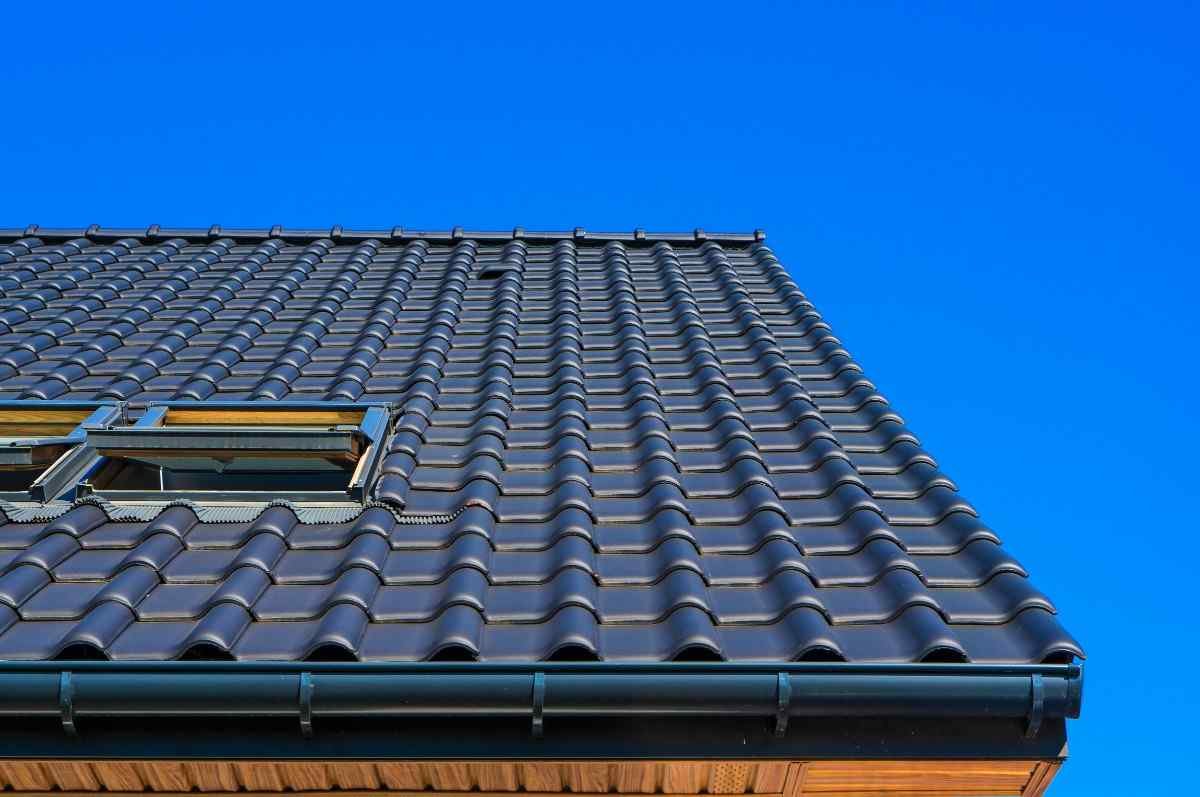
Synthetic Slate & Tile: Affordable and Lightweight
Synthetic slate and tile are made from materials like rubber or polymers, designed to mimic the appearance of natural stone or clay. These alternatives are lightweight and more affordable than their traditional counterparts, making them an excellent choice for those looking for a budget-friendly yet authentic option for their historic home.
Pros:
- Lightweight and easier to install.
- More affordable than natural slate or clay tiles.
- Aesthetically similar to the original materials.
Cons:
- May not have the same lifespan as natural slate or clay.
- Can lack the authenticity of natural materials.
Architectural Asphalt Shingles: Budget-Friendly Classic
Laminated asphalt shingles are a high-quality, cost-effective option that can mimic the appearance of wood shakes or slate. Many historic districts allow the use of these shingles as long as the color is unobtrusive, such as dark gray or black. They are the most budget-friendly option for homeowners who want a historic look without the high costs.
Pros:
- Affordable and widely available.
- Can mimic the texture of wood or slate.
- Low-maintenance compared to wood shingles.
Cons:
- Shorter lifespan than natural materials (around 20-30 years).
- Less authentic in appearance.
Concrete Tiles: Affordable Alternative to Clay Tiles
Concrete tiles offer an affordable alternative to clay tiles. They are still heavy but are more affordable and provide excellent durability. While they don’t perform as well in all climates as clay tiles, they still offer a good option for homes seeking the look of Mediterranean Revival architecture without the cost of natural clay.
Pros:
- More affordable than clay tiles.
- Durable and long-lasting.
- Can be made to mimic the appearance of clay tiles.
Cons:
- Heavy, requiring structural reinforcement.
- More prone to cracking than clay tiles.
Key Considerations When Choosing Roofing Options for Historic Homes

Choosing the right roofing for your historic home goes beyond just selecting a material. Here are some important factors to consider:
Local Regulations: Preservation Comes First
Before beginning any roofing project, check with your local historic preservation commission or zoning board. Many districts have strict rules about what materials and colors can be used to maintain the aesthetic of the neighborhood. Following these guidelines is not only legally required but also ensures that your home stays in harmony with its historical surroundings.
Structural Integrity: Is Your Home Ready for a New Roof?
Many historic homes were built with lighter materials in mind. When switching to heavy roofing materials like slate or clay tiles, it’s important to have a professional structural assessment. Your home may need additional support to handle the added weight of these materials, so be prepared for extra costs if your roof needs reinforcement.
Historical Research: Dig Deeper into Your Home’s Past
To ensure your roof remains historically accurate, take time to research the original roofing materials. You can look at old photographs, explore community records, or even examine the attic to find evidence of the original roofing type. This research will help you make an informed decision that preserves your home’s character.
Frequently Asked Questions
1. Can I use modern materials for my historic home?
Yes, you can use modern materials like synthetic slate or metal roofing for your historic home, but it’s important to ensure they maintain the home’s historical integrity. Always check with your local preservation commission for guidelines on acceptable materials in your area.
2. How do I maintain a slate roof?
Slate roofs are incredibly durable but require regular maintenance to ensure they last for generations. It’s important to inspect the roof for cracked or missing tiles and replace them promptly. Cleaning gutters and trimming trees near the roof can also prevent damage.
3. What are the most energy-efficient roofing options for historic homes?
Metal roofing, particularly standing seam options, is highly energy-efficient. It reflects heat, keeping your home cooler in the summer and reducing energy bills. Additionally, synthetic materials can also offer better insulation than traditional options.
Protecting Your Historic Home with the Right Roof
Choosing roofing options for historic homes isn’t just about functionality. It’s about preserving the charm and character of your home for future generations. Whether you choose traditional materials like slate and wood or opt for modern alternatives like synthetic slate or architectural shingles, make sure you strike a balance between authenticity and modern performance.
And while you’re at it, why not dive into some DIY home interior design ideas to complement your newly restored roof? From rustic, vintage decor to modern, minimalistic touches, there are endless ways to enhance your home’s charm on the inside. Whether you’re restoring original features or adding a touch of modern flair, these design ideas will bring new life to your space.
Tip: Don’t be afraid to mix and match materials when restoring your roof. Sometimes, a combination of modern and traditional elements can give your home the perfect balance of old-world charm and modern durability.