
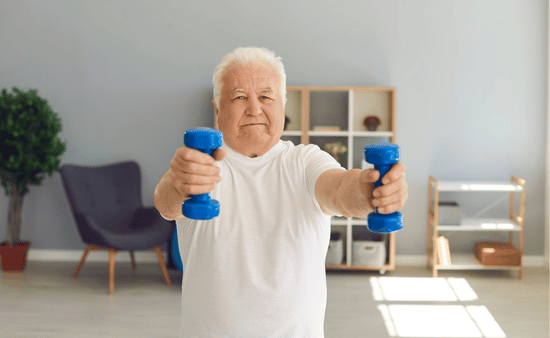
As the population ages, more seniors are embracing active lifestyles, recognizing the profound benefits of physical activity on overall well-being. From improved cardiovascular health to enhanced mental acuity, staying active in later years is crucial. Understanding common health concerns is the first step toward proactive health management, allowing active seniors to thrive safely.
Joint Health and Mobility

Understanding Joint Wear and Tear
Over the years, the cartilage that cushions the ends of the bones naturally begins to thin, making joints more susceptible to stiffness and discomfort. Active seniors frequently encounter conditions like osteoarthritis, which can cause swelling and a reduced range of motion. Engaging in repetitive, high-impact activities without proper recovery periods can accelerate this wear and tear.
Recognizing the early signs of joint distress—such as prolonged morning stiffness or a dull ache after exercise—is vital for preventing more severe mobility limitations down the line. Ignoring these signals can lead to chronic pain, forcing individuals to abandon the physical activities they love.
Strategies for Joint Preservation
Protecting joint health does not mean giving up exercise; rather, it involves making smarter activity choices. Incorporating low-impact cardiovascular exercises like swimming, cycling, or water aerobics provides excellent cardiovascular benefits without putting excessive stress on the knees, hips, and spine.
Additionally, implementing a consistent strength training routine is crucial. By building the muscles surrounding vulnerable joints, seniors can create a natural brace that absorbs shock and stabilizes movement. Adequate rest between workout sessions, combined with daily stretching or yoga, ensures that tendons and ligaments remain flexible and resilient.
Cardiovascular Health Management
Monitoring Heart Health During Exercise
The heart is a muscle that benefits immensely from regular exercise, yet it also undergoes age-related changes. Blood vessels may become stiffer, and the heart’s maximum beating capacity during strenuous activity naturally decreases. Active seniors must pay close attention to how their cardiovascular system responds to physical exertion.
Symptoms like unusual shortness of breath, sudden dizziness, or irregular heartbeats should never be brushed aside as normal signs of aging. Utilizing wearable fitness monitors to track heart rate during aerobic activities can help seniors stay within a safe, effective target heart rate zone, ensuring they challenge their cardiovascular system without overloading it.
Dietary and Lifestyle Interventions
Supporting heart health extends far beyond the gym. A nutrient-dense diet plays a foundational role in cardiovascular management. Emphasizing foods rich in omega-3 fatty acids, whole grains, and leafy greens helps manage cholesterol levels and reduces systemic inflammation. Limiting sodium intake is equally important for keeping blood pressure within a healthy range.
Furthermore, managing everyday stress through mindful breathing, meditation, or simply spending time in nature helps lower cortisol levels, which directly benefits heart function. Prioritizing seven to eight hours of quality sleep each night also allows the cardiovascular system time to repair and rejuvenate.
Bone Density and Osteoporosis Prevention

The Importance of Bone Strength
For active seniors, maintaining bone density is a top priority to prevent debilitating injuries from minor falls or impacts. A fracture in the hip or spine can severely disrupt an active lifestyle, leading to long periods of immobility and a challenging recovery process.
Exercise and Nutrition for Strong Bones
The most effective way to stimulate bone growth and maintain density is through weight-bearing and muscle-strengthening exercises. Activities like brisk walking, dancing, stair climbing, and light resistance training force the bones to work against gravity, prompting them to become denser and stronger.
Alongside targeted exercise, a diet rich in bone-building nutrients is essential. Calcium is the primary building block of bone tissue, while Vitamin D is required for the body to absorb that calcium effectively. Incorporating dairy products, fortified plant milks, leafy greens, and safe sun exposure can help active seniors maintain robust skeletal health.
Managing Chronic Conditions
Exercise with Diabetes and Hypertension
Many seniors maintain highly active and fulfilling lives while managing chronic health conditions such as diabetes and hypertension. Physical activity is actually one of the most effective tools for managing these ailments. Exercise helps lower blood glucose levels by improving insulin sensitivity, and it helps reduce high blood pressure by strengthening the heart muscle.
However, seniors with these conditions must approach exercise strategically. Those with diabetes should monitor their blood sugar before and after workouts to prevent hypoglycemia, while individuals with hypertension should avoid lifting overly heavy weights that cause dangerous spikes in blood pressure.
Regular Medical Check-Ups and Adjustments
Consistent communication with a healthcare team is a necessity for seniors balancing chronic conditions with an active routine. Physicians can provide personalized guidelines regarding exercise intensity and duration. They can also adjust medications as physical fitness improves, since an active body often requires different dosages than a sedentary one.
Consulting specialized healthcare professionals is also highly recommended when specific issues arise. For instance, if you experience ongoing foot discomfort or numbness while walking, consulting a podiatrist in Orem can ensure your footwear provides adequate support to prevent complications. Addressing these minor concerns quickly keeps chronic conditions well-managed and prevents them from derailing your fitness goals.
Nutritional Needs for Active Aging

Fueling the Active Senior Body
While metabolic rates naturally slow down as people age, the nutritional demands of an active senior remain significant. A common pitfall is failing to consume enough high-quality calories to sustain regular physical activity. Protein intake becomes particularly critical in later years to combat sarcopenia, the age-related loss of muscle mass.
Consuming adequate lean proteins—such as poultry, fish, beans, and legumes—helps repair muscle fibers damaged during exercise and supports overall strength. Complex carbohydrates are also necessary to provide the sustained energy required for endurance activities like hiking or long-distance cycling.
Hydration and Supplementation
Dehydration is a hidden danger for older adults. The body’s natural thirst mechanism becomes less sensitive with age, meaning seniors may not feel thirsty even when their fluid levels are dangerously low. Exercising exacerbates this issue through sweat loss. Active seniors must develop a habit of drinking water consistently throughout the day, rather than waiting for the sensation of thirst.
Additionally, certain supplements may be necessary to fill nutritional gaps. While obtaining nutrients from whole foods is always the best approach, a healthcare provider might recommend specific supplements like B12 for energy metabolism or magnesium to help prevent muscle cramps after strenuous workouts.
Mental Well-Being and Cognitive Function
The Link Between Physical Activity and Mental Health
The benefits of maintaining an active lifestyle are not confined to the physical body; they profoundly impact mental and emotional health. Exercise acts as a powerful, natural mood elevator. Physical activity stimulates the release of endorphins and serotonin, neurotransmitters that alleviate symptoms of anxiety and depression.
For many seniors, staying active also provides a vital sense of purpose and routine, particularly after retirement. Whether it involves tending to a garden, swimming laps, or participating in a local walking club, physical movement keeps the mind engaged and significantly boosts overall life satisfaction.
Strategies for Cognitive Preservation
Current research strongly indicates a correlation between regular cardiovascular exercise and the preservation of cognitive function. Physical activity increases blood flow to the brain, delivering the oxygen and nutrients necessary for healthy neural function and encouraging neuroplasticity.
To maximize these cognitive benefits, seniors should incorporate activities that require coordination, rhythm, and mental focus. Learning a new dance routine, practicing tai chi, or mastering complex yoga poses challenges the brain just as much as the body. Group fitness settings also provide critical social interaction, which is known to combat feelings of isolation and keep the mind sharp, engaged, and resilient.
Conclusion
Embracing an active lifestyle in your senior years offers a wealth of benefits, contributing significantly to both physical and mental vitality. By understanding and proactively addressing common health concerns, active seniors can continue to pursue their passions with confidence and vigor. Prioritizing proper nutrition and regular medical care ensures a fulfilling senior life.