

When I first started focusing on eating healthier, I thought I’d have to completely overhaul my grocery list and spend a fortune to eat right. But after months of trial and error, I found that eating healthy on a budget is not only possible — it’s easier than I thought. The trick is all about planning, smart shopping habits, and using ingredients in multiple ways.
I’ve created a 7-day meal plan that helps me save money while eating nutritious, delicious meals. It’s simple, cost-effective, and full of flavor. Ready to give it a go? Let’s get started!
How Can I Stick to a Budget and Eat Healthier?

First things first — it all starts with planning. I can’t stress enough how much of a game-changer it is to have a weekly meal plan in place. If I don’t plan, I end up buying random stuff that I don’t need, or worse, I end up ordering takeout (which is never a budget-friendly choice).
By planning my meals around versatile, healthy ingredients, I save money and reduce food waste. I focus on bulk buying for pantry staples and making the most out of what’s in season. And, of course, I repurpose ingredients throughout the week. Here’s a snapshot of the grocery list I use for my weekly plan:
- Proteins: Eggs, a whole chicken (or frozen thighs), dry lentils, canned black beans, frozen edamame
- Produce: Carrots, cabbage, spinach, sweet potatoes, kale, apples, bananas, seasonal fruit
- Grains/Pantry: Bulk oats, brown rice or quinoa, peanut butter, olive oil
What’s My 7-Day Meal Plan for Healthy Eating on a Budget?
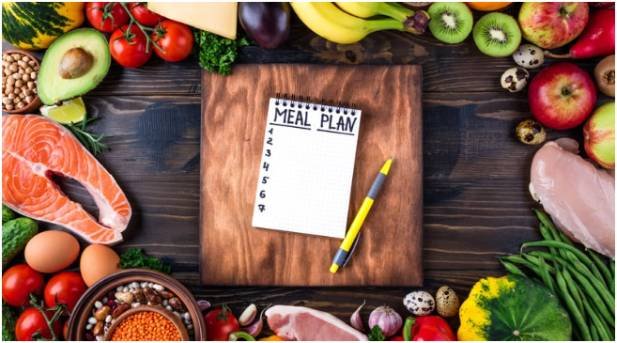
I’m a firm believer that meal prepping doesn’t have to be a daunting task. It’s about cooking once and eating multiple times. Here’s what my 7-day meal plan looks like. Each day offers balance and flavor without breaking the bank.
| Day | Breakfast | Lunch | Dinner |
| 1 | Oatmeal with banana & cinnamon | Turkey or hummus & veggie wrap | Chicken & rice stir-fry with frozen veggies |
| 2 | Greek yogurt with frozen berries | Leftover chicken stir-fry | Lentil & vegetable soup with whole-grain bread |
| 3 | Scrambled eggs with sautéed spinach | Leftover lentil soup | Bean & veggie chili with sweet potato |
| 4 | Overnight oats with peanut butter | Leftover chili over brown rice | Roasted chicken & sweet potatoes with cabbage slaw |
| 5 | Hard-boiled eggs & apple slices | Chicken salad sandwich (using leftovers) | Quinoa bowl with black beans, kale, and avocado |
| 6 | Banana pancakes (oats, egg, banana) | Leftover quinoa bowl | Veggie frittata using remaining eggs and spinach |
| 7 | Poached egg on whole-wheat toast | Hummus & veggie plate with crackers | “Kitchen Sink” stir-fry using all remaining veggies & grain |
How Do I Keep My Grocery Bill Low While Eating Healthy?
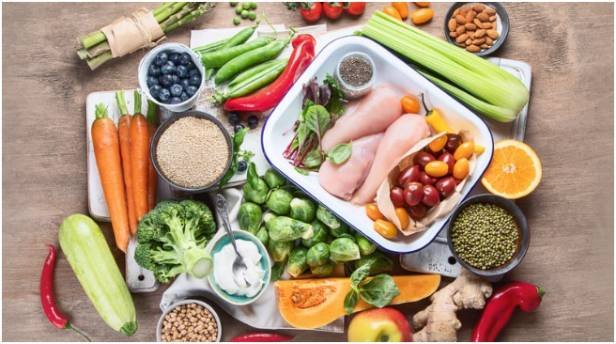
Now that I’ve got my meal plan in place, the next step is to shop smart. It’s about being strategic with your grocery list and focusing on staples that stretch far. I try to shop the perimeter of the store where fresh produce, dairy, and meats are usually located.
But I don’t shy away from the middle aisles either — that’s where I can find bulk grains like brown rice, quinoa, and oats. Here’s how I approach shopping:
- Make a List: Before heading to the store, I plan meals around what I already have in my pantry or freezer, so I don’t double up on items.
- Buy Generic: Store brands often offer the same products at 20-30% less. I go for generic beans, grains, and canned goods to stretch my dollars.
- Buy in Bulk: Bulk buying grains like brown rice, oats, and quinoa is a great way to reduce the cost per serving.
What Are Some Simple Kitchen Practices That Help Me Save Even More?
Let’s talk kitchen practices. Over the years, I’ve learned to get creative with leftovers and repurpose ingredients. If I’m cooking a whole chicken, I make sure to use every bit — the meat for meals like wraps or salads, and the bones for homemade broth. Here are a few tips I’ve picked up:
- Cook Once, Eat Twice: Whenever I cook, I make extra to use for lunch or dinner the next day. This saves time and ensures I’m always prepared with a healthy meal.
- Repurpose Leftovers: A roasted chicken turns into tacos, soup, or a salad later in the week. The trick is to get creative and use what’s already in the fridge.
- Zero-Waste Broth: I save veggie scraps (carrot peels, celery ends, etc.) in the freezer and use them to make homemade vegetable broth for soups.
How Can I Avoid Wasting Food?
No one likes throwing away food, and it can feel like a waste when things go bad before you get a chance to use them.
That’s why freezing extras has become my best friend. When I notice spinach or kale wilting, I freeze it for later use in smoothies or soups. Here are a few ways I reduce food waste:
- Freeze the Extras: If I have leftover veggies or greens, I freeze them immediately so they don’t spoil.
- Use Scraps: Don’t toss those veggie scraps! Freeze them to make broth or add them to future soups.
FAQ: Frequently Asked Questions About Healthy Eating on a Budget
Q1: What’s the most budget-friendly protein I can buy?
A: If you’re looking to stretch your budget while still getting plenty of protein, dried beans and lentils are your best friends. They’re super affordable, packed with fiber, and can be used in soups, stews, and salads. If you prefer animal-based protein, eggs and canned tuna are also budget-friendly options that I regularly use.
Q2: How do I make my meals more filling without spending a lot?
A: I make sure to include grains like brown rice, quinoa, and oats in my meals. These are filling, nutritious, and inexpensive. Pairing them with veggies and a protein (like beans or chicken) makes for a hearty meal that won’t break the bank.
Q3: Is it better to buy fresh produce or frozen?
A: Frozen produce is often just as nutritious as fresh and much more affordable, especially when buying out-of-season items. I keep a stash of frozen fruits and veggies in my freezer for smoothies, soups, and stir-fries. It’s a great way to avoid waste too!
Q4: How do I avoid overbuying and wasting food?
A: The key to avoiding food waste is planning ahead. Create a weekly menu and grocery list, then stick to it! When you only buy what you need, you’re less likely to overbuy and waste food.
And Finally… A Little Healthy Eating Wisdom
Healthy eating on a budget doesn’t have to be a struggle. In fact, once you get into the groove of planning, prepping, and repurposing ingredients, it becomes second nature.
The secret is simplicity and smart shopping. You don’t need fancy or expensive ingredients — just a little creativity and a solid plan.
So, the next time you’re in the store, remember: Eating healthy doesn’t have to cost a fortune. You’ve got this!