Window well covers look simple from the outside, but the pricing behind them is shaped by several real trade-offs. Size, material, safety features, fabrication method, and installation complexity all influence what a homeowner pays. That is why comparing window well covers without looking at the underlying details can be misleading.
For homeowners, the better question is not “What is the cheapest cover?” It is “What cover actually fits the window well, performs the way it should, and lasts outdoors?” That distinction matters even more with basement windows, where a poor fit can create safety risks, drainage problems, or repeated replacement costs. Tuff Fabrication approaches the product from that angle: durable protection first, price second, and long-term value always in view.
Why Window Well Cover Prices Vary So Widely
The biggest reason prices vary is that window wells themselves are not standardized. Two homes can have completely different dimensions, wall materials, and below-grade conditions. A cover for a narrow rectangular well with easy access is a very different product from one built for a wide egress opening, a stone surround, or an irregular shape that demands custom measurement.
Another reason is that window well covers are not all built for the same job. Some are light-duty debris covers. Others are engineered to support foot traffic, resist snow load, or integrate an escape-friendly opening. Once you move from basic off-the-shelf plastic to custom metal fabrication, the cost structure changes because labor, fit, and structural performance all become part of the equation.
Dimensions Drive Material Use and Labor
Size affects price in two ways. First, larger covers require more raw material. Second, they take more fabrication time, especially if the cover must be formed, welded, trimmed, and finished to fit the exact opening. A one-piece standard cover may be straightforward. A combined-product solution with a metal frame plus a polycarbonate shield, by contrast, requires more components and more build time.
That is one reason Tuff Fabrication often emphasizes measurement accuracy early in the process. A precise fit reduces adjustment work and helps ensure the final product performs as intended. It also matters for appearance, since oversized gaps or awkward overlaps can make even a well-made cover look unfinished.
Material Choice Changes the Price and the Performance
Material is one of the clearest price drivers. Plastic covers are typically less expensive upfront, but they do not offer the same strength or lifespan as heavy-gauge steel or aluminum. Metal covers cost more because the base material is more durable and the fabrication process is more involved.
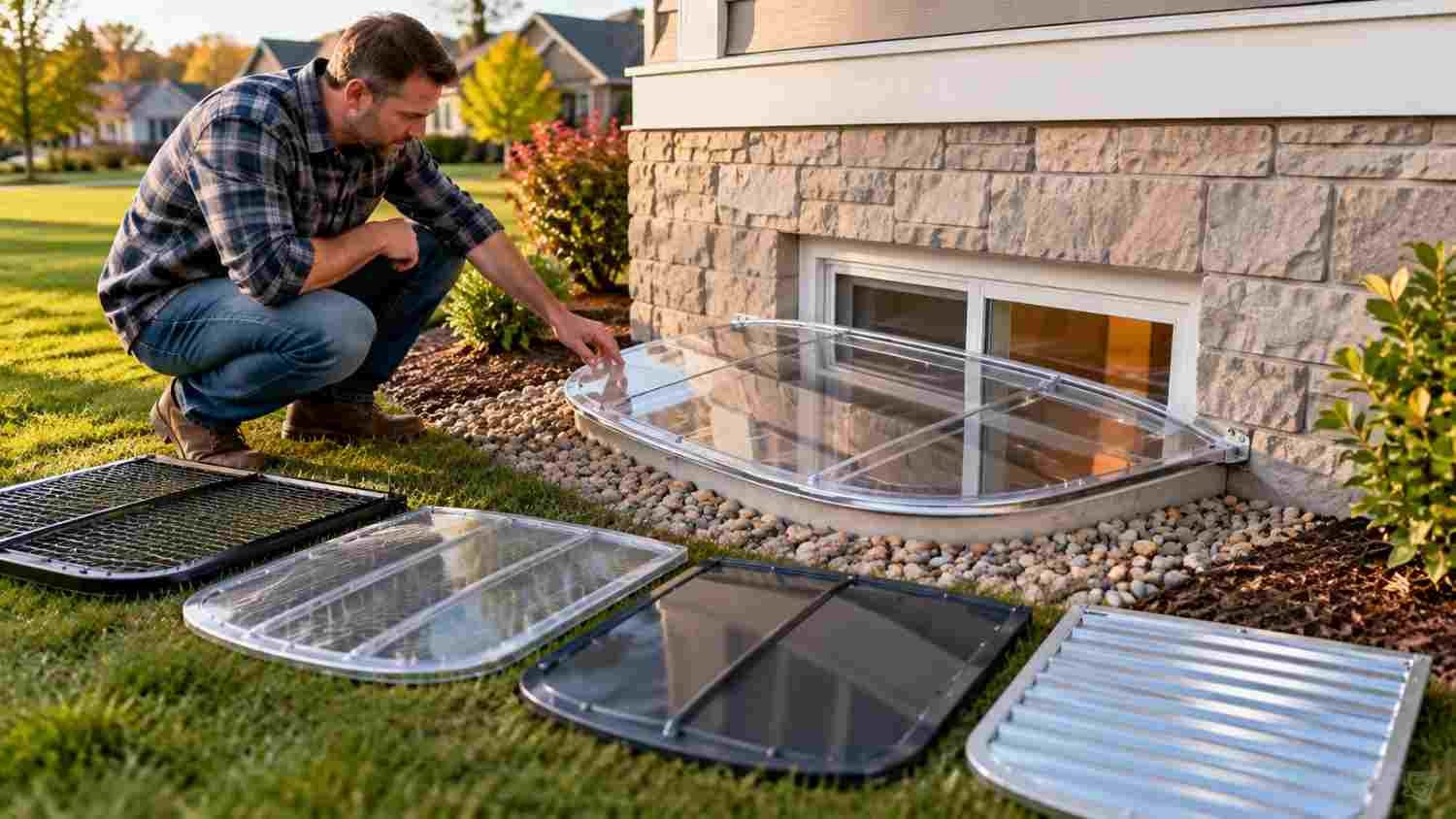
Within metal options, the type of build also matters. Expanded metal mesh, solid-frame grates, and polycarbonate-topped designs all sit at different points on the price curve. Mesh and grate styles can prioritize airflow and light, while clear overlays help reduce debris and weather exposure. Tuff Fabrication works with these differences directly, which is why its products are usually evaluated as engineered solutions rather than generic accessories.
The Features That Matter Most in Real-World Pricing
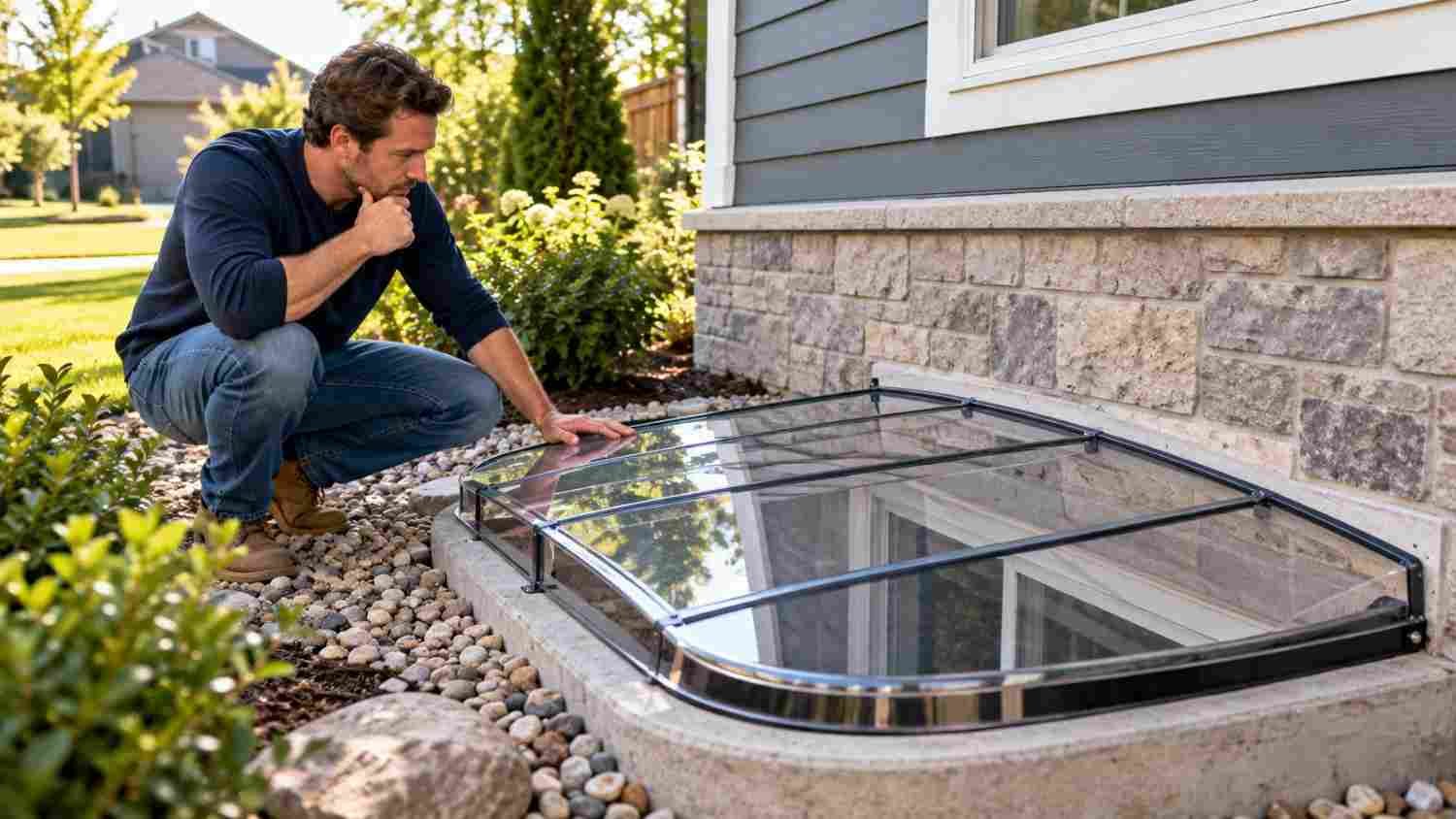
The more functional a window well cover becomes, the more pricing tends to reflect design complexity. This is especially true when the cover must do more than simply sit over an opening. Safety, egress, and weather resistance can all influence the final cost in meaningful ways.
A homeowner comparing products should think about usage scenarios, not just material labels. A basic cover may be enough for a shallow well with minimal exposure. A deeper basement opening or a high-traffic yard may justify a more robust build. That is where the value of a custom fabricator like Tuff Fabrication becomes clear: the product is designed around the actual condition, not a general assumption.
Safety Features Add Engineering, Not Just Parts
Features such as hinged escape hatches, safety release mechanisms, and reinforced framing affect pricing because they require more than simple assembly. They have to work reliably, open when needed, and remain secure during ordinary use. Those requirements add design time and fabrication precision.
For homes with egress considerations, that detail is especially important. Local building and fire requirements can vary by jurisdiction, so the goal is not to assume every cover is universally compliant. Instead, the goal is to choose a solution that supports the intended use and can be matched to the site requirements. That is a major reason custom work is often priced above mass-produced covers.
Weather Resistance and Finish Quality Influence Long-Term Value
Outdoor hardware lives a hard life. Rain, snow, freeze-thaw cycles, UV exposure, and debris all take a toll. Powder coating and corrosion-resistant finishes cost more than bare or lightly treated alternatives, but they help preserve appearance and performance over time.
This is one of the less obvious reasons custom covers may be a smarter buy even when the upfront price is higher. A cover that bends, cracks, or rusts early can end up costing more than a sturdier option that lasts for years. Tuff Fabrication builds around that long-horizon view, which is especially useful in climates where seasonal weather changes put constant stress on exterior components.
Custom Fabrication Costs More Because It Solves Harder Problems
There is a meaningful difference between mass production and custom fabrication. A standard cover is efficient to make because the dimensions and construction are repetitive. A custom cover has to solve an actual site-specific problem, and that is where the price begins to reflect expertise as much as material.
This is also where homeowners sometimes underestimate value. A cheap, near-fit product can look appealing until it needs trimming, fails to sit level, or leaves unsafe gaps. The higher-cost option may actually be the lower-risk choice because it is built to the well rather than forcing the well to accept the cover.
Non-Standard Shapes and Masonry Details Increase Complexity
Not every window well is a clean rectangle with simple access points. Some have stone masonry, angled walls, unusual widths, or nearby obstructions such as hose bibs, vents, or siding transitions. Each of those conditions adds complexity because the cover has to match what is already there.
That complexity affects both design and fabrication. It may require additional measurement, custom bends, special mounting decisions, or altered frame geometry. Tuff Fabrication is especially relevant here because its specialty is custom metal solutions for exactly these kinds of residential conditions. In practice, the harder the fit, the more likely a custom build becomes the right answer.
Load Rating and Structural Goals Matter
Not all covers are expected to perform the same way. Some homeowners want a basic barrier that keeps out leaves and small animals. Others need a heavier-duty structure that can handle more weight, resist deformation, or support regular foot traffic near the opening.
That difference changes the pricing equation. A heavier frame, stronger welds, or reinforced mesh costs more to produce than a lightweight decorative cover. But it also changes the product’s role on the property. In that sense, load rating is not a minor feature. It is one of the clearest indicators of whether the price is tied to true performance or just appearance.
How to Compare Quotes Without Getting Misled

When people shop for window well covers, they often focus on the final number alone. Search terms like “window well covers Utah prices” can point homeowners toward cost comparisons, but the price by itself does not always tell the full story. One product may look cheaper because it leaves out features, installation support, or finishing details that another quote already includes.
A smarter comparison begins with a clear checklist. Homeowners should ask what is included, what is custom, and what is optional. That makes it easier to compare apples to apples rather than comparing a bare-bones cover to a fully engineered solution.
Use this practical checklist when reviewing quotes:
- Exact measurement and fit requirements
- Material type and thickness
- Frame style and weld quality
- Finish or coating method
- Egress-friendly features, if needed
- Installation complexity
- Lead time and fabrication steps
- Warranty or service support, if offered
If two quotes differ significantly, the reason is usually one of these items. The lower quote may still be fine for a simple application, but it should be evaluated as a different product category, not just a better deal.
What Tuff Fabrication Brings to the Conversation
Tuff Fabrication is positioned well for homeowners who care about durability, safety, and a clean finished look. The company specializes in custom window well covers and residential metal fabrication, which means the solution can be tailored rather than improvised. That matters when the goal is not just to cover a hole, but to solve a visible and functional part of the home exterior.
For buyers, the practical advantage is straightforward: a custom fabricator can account for conditions that generic products often ignore. That includes odd dimensions, load-bearing concerns, and the need for better long-term weather performance. If you want to see the style of products available, browse the window well cover collection for a closer look at the range of options.
The key point is that price is not random. It reflects how much engineering the cover requires, how durable the materials need to be, and how accurately the product must fit the opening. Tuff Fabrication’s value comes from taking those variables seriously instead of reducing the decision to the lowest bid.
The Real Cost Question Is Upfront Price Versus Lifetime Performance
The most strategic way to think about pricing is to compare total value, not just the purchase price. A low-cost cover may be fine for a simple use case, but it may also need replacement sooner, fit less securely, or offer less protection. A custom metal cover may cost more initially, yet deliver a better experience over time because it is built for the specific home and weather exposure.
That trade-off is the heart of the decision. Materials, fabrication complexity, safety features, finish quality, and fit all influence the price because they influence the outcome. Once homeowners understand that, window well covers become much easier to evaluate with confidence.
For many properties, the best value is not the cheapest cover on the market. It is the one that fits precisely, performs reliably, and holds up season after season. That is the standard Tuff Fabrication is built around, and it is the standard worth using when comparing any quote.