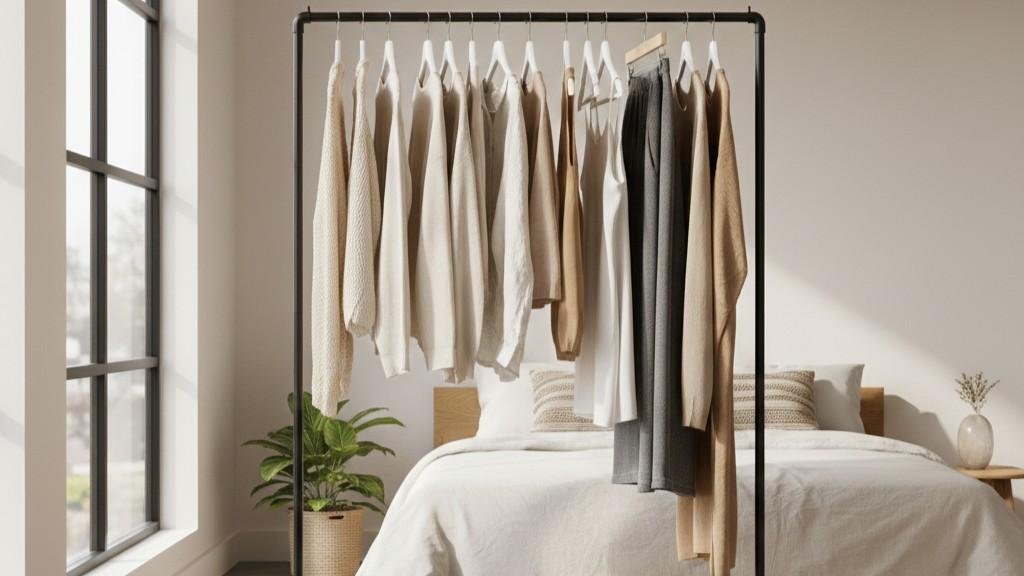

I used to be the person who thought a “good deal” meant grabbing five new outfits every season, regardless of quality. Fast fashion was my guilty pleasure until I realized the damage it was causing—not only to my wallet but to the planet too. One day, while sorting through my overflowing closet, I stumbled upon the concept of what is sustainable fashion. It opened my eyes to a whole new way of shopping—one that aligns with my values and helps reduce harm to the environment.
So, what is sustainable fashion? It’s a movement that focuses on making smarter, eco-friendly choices that ensure fair labor practices, minimal environmental impact, and long-lasting garments. Let’s take a closer look at how you can incorporate sustainable fashion into your own life.
What Are the Core Principles of Sustainable Fashion?
Sustainable fashion goes beyond just eco-friendly materials; it’s a holistic approach that includes environmental responsibility, ethical labor practices, and a circular economy. At its core, sustainable fashion is about creating clothes that have a positive impact on both the planet and the people involved in their production.
Environmental Responsibility
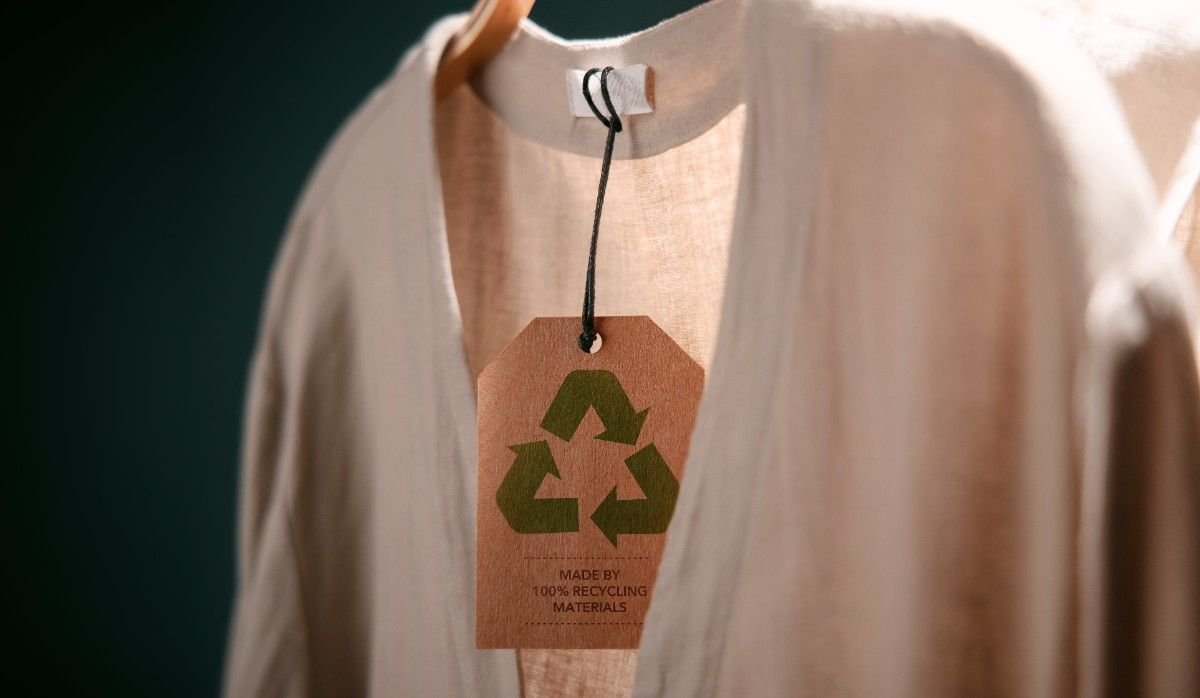
Sustainable fashion brands are committed to using low-impact materials such as organic cotton, hemp, and recycled polyester. These fabrics help to reduce carbon emissions, reduce water waste, and chemical usage. For example, organic cotton uses 88% less water than conventional cotton and doesn’t rely on harmful pesticides, making it a far more sustainable choice.
Ethical Labor Practices
Sustainable fashion places a strong emphasis on fair wages and safe working conditions. By choosing ethical brands, you support workers who are treated with dignity and respect. Fair Trade certifications ensure that clothing production is free from child labor and exploitation, which is a significant issue in the fast fashion industry.
Circular Economy
In sustainable fashion, we focus on durability, repairability, and recyclability. The goal is to design garments that can be worn for a long time, repaired when needed, and eventually recycled or upcycled into new items. This approach challenges the “use and discard” mindset of fast fashion, encouraging longer lifespans for each piece of clothing.
Why Does Sustainable Fashion Matter?
Understanding what is sustainable fashion is crucial for several reasons, and understanding why it matters can motivate you to make more conscious choices in your wardrobe.
Tackling the Environmental Crisis
The fast fashion industry is responsible for about 10% of global carbon emissions and consumes a staggering 93 billion cubic meters of water annually. Sustainable practices aim to reverse this damage by reducing carbon footprints, minimizing water waste, and eliminating harmful chemicals from production processes. Organic cotton, for instance, uses significantly less water than conventional cotton, which has a huge environmental impact.
Combating the Waste Problem
Clothing waste is another significant issue, with billions of garments ending up in landfills each year. Sustainable fashion aims to reduce textile waste by promoting the reuse, recycling, and repurposing of clothing. Understanding the reducing and reusing of clothes is necessary. By buying higher-quality items that last longer and participating in secondhand shopping, you can help reduce the amount of waste generated by the fashion industry.
How Can You Practice Sustainable Fashion?
Sustainable fashion doesn’t require you to overhaul your entire wardrobe overnight. You can start small by incorporating these simple practices into your daily routine to reduce your environmental impact.
Step 1: Reduce
Start by buying fewer, higher-quality items that last longer. Avoid impulse buys and instead focus on pieces that you truly love and will wear often. Invest in timeless, durable garments like a well-made pair of jeans or a cozy sweater made from natural fibers. These items won’t go out of style and will last you years.
Step 2: Reuse

Start by buying fewer, higher-quality items that last longer. Avoid impulse buys and instead focus on pieces that you truly love and will wear often. Investing in timeless, durable garments like a well-made pair of jeans or a cozy sweater made from natural fibers.
It is an excellent way to build a capsule wardrobe. One that’s full of versatile, long-lasting, sustainable pieces that you can mix and match. These items won’t go out of style and will last you years.
Step 3: Recycle
When your clothes have reached the end of their life, don’t throw them away. Many textiles can be recycled into new products, from insulation to cleaning rags. Look for recycling programs that accept worn-out clothing, or take them to designated textile recycling centers. This helps prevent them from ending up in landfills and contributes to the circular economy.
Step 4: Repurpose
Upcycling is a fun and creative way to repurpose old clothes into something new. For example, you can turn an old dress into a blouse or use fabric scraps to make accessories like bags or headbands. This reduces the need for new materials and allows you to continue enjoying garments that might otherwise be discarded.
Frequently Asked Questions
1. What materials are considered sustainable in fashion?
Sustainable fashion uses materials that have a minimal environmental impact. Organic cotton, hemp, Tencel, and bamboo are great choices because they are biodegradable and use fewer chemicals during production. Recycled fabrics, such as recycled polyester, are also sustainable options, as they reduce the need for virgin resources.
2. How can I tell if a brand is truly sustainable?
Look for certifications like Global Organic Textile Standard (GOTS), Fair Trade, or OEKO-TEX, which verify that a brand meets specific sustainability and ethical standards. You can also check a brand’s transparency by using tools like the Fashion Transparency Index or apps like Good On You, which rate brands based on their environmental and ethical practices.
3. Is sustainable fashion more expensive?
To explain what is sustainable fashion —it can be more expensive upfront due to higher production costs and the use of eco-friendly materials. However, these garments are made to last longer, so you won’t have to replace them as often. In the long run, investing in sustainable fashion can save you money by reducing the need for constant shopping and re-purchasing low-quality items.
4. What is greenwashing in fashion?
Greenwashing refers to when a brand falsely claims to be environmentally friendly without providing verifiable proof. Be cautious of vague terms like “eco-friendly” or “green” that are not backed by certifications or transparency. To avoid being misled, always research the brand’s sustainability practices and check for third-party certifications.
Your Fashion, Your Future
Sustainable fashion isn’t just a trend—it’s a movement that empowers you to make a positive impact on the planet through the choices you make in your wardrobe. By prioritizing quality over quantity, choosing ethical brands, and embracing a circular fashion economy, you can create a closet that reflects your personal style and values.
So, what is sustainable fashion? The next time you find yourself eyeing a fast-fashion sale, ask yourself: “Do I really need this, or can I find something that lasts longer and does less harm?” Remember, every small change you make counts. Your wardrobe can be a powerful tool for change—so wear it proudly, sustainably, and with confidence!
Tip: If you’re still unsure where to start, try doing a wardrobe audit. Look through your clothes and see what you already have. You might be surprised at how much sustainable fashion you already own!