

I’ve been a renter for most of my adult life, and if there’s one thing I’ve learned, it’s that knowing your rights as a tenant can make all the difference between stress-free living and unnecessary headaches. Tenant rights in the US are a combination of federal, state, and local laws that protect renters like you and me from unfair practices, ensuring we live in safe, habitable, and non-discriminatory environments.
If you’re like me, you’ve probably encountered a few landlord-related issues during your rental journey, whether it’s a maintenance issue or a dispute over a security deposit. Well, understanding tenant rights can help you tackle these challenges confidently and effectively. So, let me take you through what I’ve learned over the years, and trust me, this is stuff every renter should know.
What Are Tenant Rights in the US?
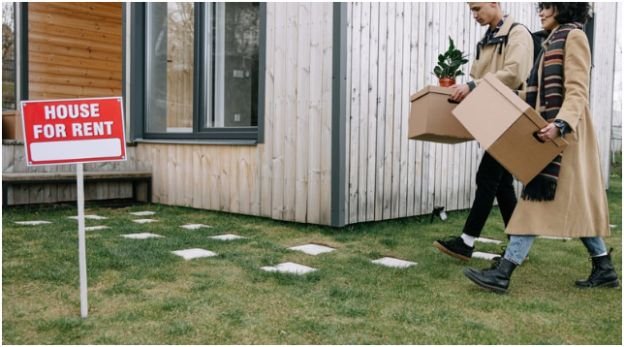
To kick things off, let’s talk about the basics. Tenant rights in the US stem from both federal laws that apply nationwide and state or local regulations that offer additional protections. Federal laws ensure tenants have certain protections, while state and local laws get more specific, often providing even stronger protections based on where you live.
I learned early on that understanding these rights isn’t just about knowing what your landlord can and can’t do—it’s about being empowered to handle any situation, whether it’s asking for repairs or knowing what to do when you’re facing eviction.
How Does the Fair Housing Act Protect Renters?

When I first moved into my apartment, I didn’t realize how much protection the Fair Housing Act (FHA) offered. This law is one of the core pieces of federal legislation designed to prevent discrimination in housing. It covers all sorts of unfair treatment, including discrimination based on race, religion, sex, familial status, disability, or national origin.
For example, if a landlord refuses to rent to you because of your race or turns you away for having children, that’s illegal. As a tenant, you’re protected from these actions, and knowing about the FHA helps ensure you’re treated fairly.
I learned this the hard way when I was looking for an apartment a few years ago, and a landlord made a questionable comment about my family size. I didn’t let it slide. Knowing my rights under the FHA made me confident enough to report the incident. Sometimes, a little knowledge goes a long way in preventing discrimination.
What Do Tenant Privacy Rights Look Like?

Here’s something that’s often overlooked: tenant privacy rights. I can’t tell you how important this is. Your home is your sanctuary, and landlords can’t just pop by unannounced to snoop around.
Federal law gives tenants the right to privacy, and in most states, landlords must provide 24 to 48 hours’ notice before entering your rental unit. Exceptions are made for emergencies (like a burst pipe), but otherwise, your landlord can’t just waltz in whenever they feel like it.
This came in handy for me when I had an issue with a noisy neighbor, and my landlord wanted to inspect the apartment. They were kind enough to give me the required notice, which gave me time to prepare and make sure everything was in order.
How Can You Handle Repairs and Habitability Issues?
Let’s talk about habitability. This is a big one. As a tenant, you’re entitled to live in a place that’s safe and habitable. This means your landlord must make sure everything is in good working order, from plumbing to heating to structural integrity. If something breaks down—like a leaky roof or faulty wiring—it’s the landlord’s responsibility to fix it.
I remember dealing with a busted heater in the middle of winter. I wasn’t about to freeze, so I immediately called the landlord. According to tenant rights in the US, I had the right to expect timely repairs.
If a landlord fails to fix critical issues, I learned that some states allow tenants to withhold rent or even make repairs themselves and deduct the cost from rent (as long as you follow the proper procedure). So, don’t be afraid to ask for what you’re entitled to.
What Should You Know About Evictions?

Let’s be real: no one wants to be evicted. But knowing your eviction rights can make all the difference in an unfortunate situation. If your landlord wants to evict you, they can’t just change the locks or shut off utilities—these are considered “self-help” evictions and are illegal.
You must be given a written notice, often called a “Notice to Quit,” which gives you a certain amount of time (typically 3–30 days) to either pay overdue rent or fix the issue. If you don’t comply, your landlord has to go through the formal eviction process, which includes going to court.
This is where the right to counsel can come in handy. In cities like New York and San Francisco, low-income tenants can get free legal help if they’re facing eviction. I’ve had a friend in this situation, and having legal assistance can provide a huge advantage in making sure your rights are upheld.
How to Protect Your Tenant Rights in 4 Simple Steps
Now that we’ve covered the basics, let me share a few tips I’ve learned on how to protect yourself as a tenant:
- Document Everything: Take photos and videos of the apartment when you move in, especially of any damages or issues. This helps protect your security deposit when it’s time to move out.
- Know Your State and Local Laws: Federal law is just the start—your state or city may offer additional protections, so always check with local authorities or websites like HUD for specifics.
- Stay on Top of Repairs: Don’t wait for things to fall apart. If something breaks, report it immediately in writing, and keep a record of all communications.
- Understand the Eviction Process: Know the steps your landlord must take before evicting you. If you ever get a notice, check whether it follows the legal procedures for your state or city.
FAQs About Tenant Rights in the US
1. What are my rights if my landlord refuses to make repairs?
If your landlord fails to make necessary repairs, you have several options. In some areas, you can withhold rent or even pay for repairs yourself and deduct the cost from your rent. Check your local laws for specifics.
2. Can my landlord raise my rent at any time?
Your landlord can only raise your rent according to the lease agreement or local rent control laws. In many places, they must give you notice before raising rent. Always read your lease carefully.
3. Can a landlord evict me without notice?
No, your landlord cannot evict you without proper notice. Depending on the issue, they must provide a written notice and allow you time to fix the issue before taking further action.
Wrapping Up: Stay Empowered, Renters!
You’re not alone in this—tenant rights are designed to protect you. Whether it’s ensuring a safe living environment, guarding against discrimination, or knowing what to do if you’re facing eviction, tenant rights in the US are here to keep things fair and square.
The more you know, the better equipped you’ll be to handle whatever comes your way. Stay informed, stay empowered, and remember, knowledge is the best tool for making your rental life a smooth one.