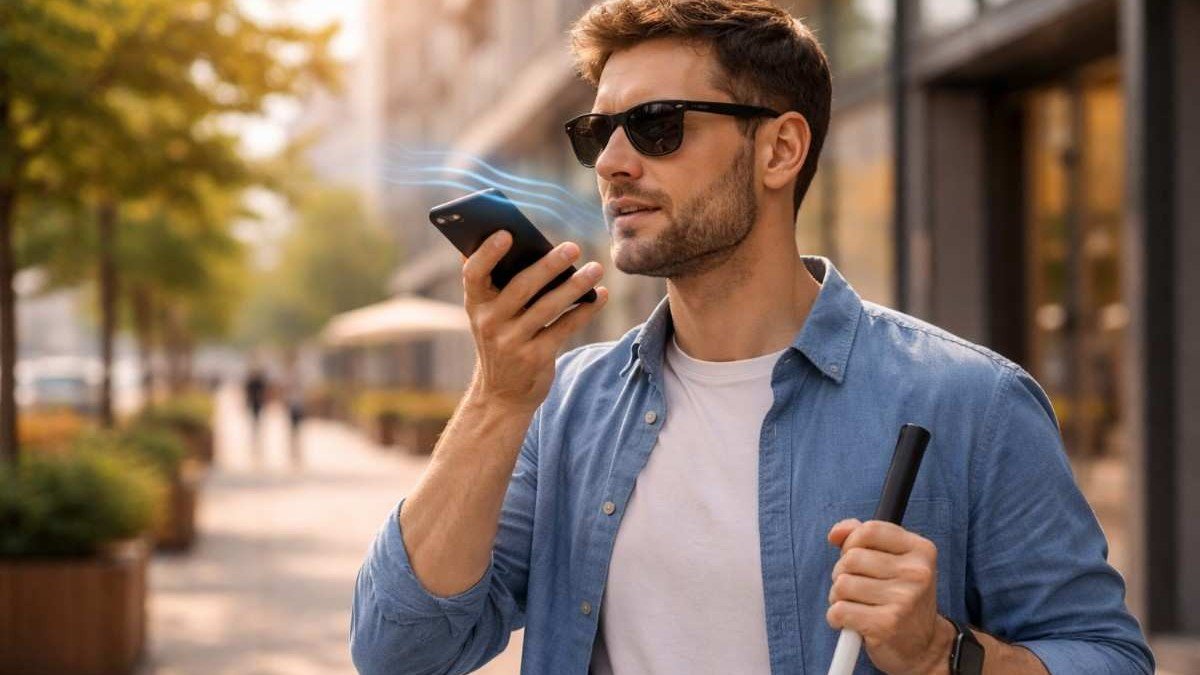
Technology is truly life-saving! Why I tell you…I once watched someone unlock their phone, read messages, and navigate a busy street without ever looking at the screen. It wasn’t magic. It was powerful tech for visually impaired users working quietly in the background. That moment made me realize how far accessibility has come and how life changing these tools can be when used the right way.
Today, technology is no longer just supportive. It actively restores independence. From AI powered wearables to smart apps, the tools available now are smarter, faster, and more human centered than ever before.
Tech For Visually Impaired Users Improves Independence
Technology has shifted from being assistive to being empowering. Instead of simply helping users cope, it enables them to live independently and confidently. Everyday tasks like reading, navigating, or shopping are now easier and faster.
What makes this transformation powerful is how natural it feels. Tools are designed to blend into daily life, reducing friction and making interactions smooth. You are not learning a system. The system adapts to you. People can access the same opportunities without relying heavily on others. That is where real independence begins.
AI Smart Glasses Leading Tech
This shift has opened doors in education, work, and social life.
Wearable AI Guidance Systems
AI powered smart glasses are one of the biggest breakthroughs. These devices act like a digital guide, helping users understand their surroundings in real time. They can detect obstacles, identify objects, and describe scenes instantly.
Devices like Lumen Glasses have introduced a new concept where navigation feels almost automatic. With subtle haptic feedback, users can adjust direction without needing constant audio instructions. This makes movement safer and more intuitive.
Real Time Navigation And Obstacle Detection
These wearables are designed for complex environments. Whether crossing streets or walking through crowded areas, they provide continuous feedback. This reduces anxiety and increases confidence outdoors.
The combination of AI and sensors allows these tools to predict and respond quickly. It is not just about reacting to obstacles. It is about guiding users through them smoothly.
Mobile Apps Driving Tech For Visually Impaired Users
Visual Interpretation Apps
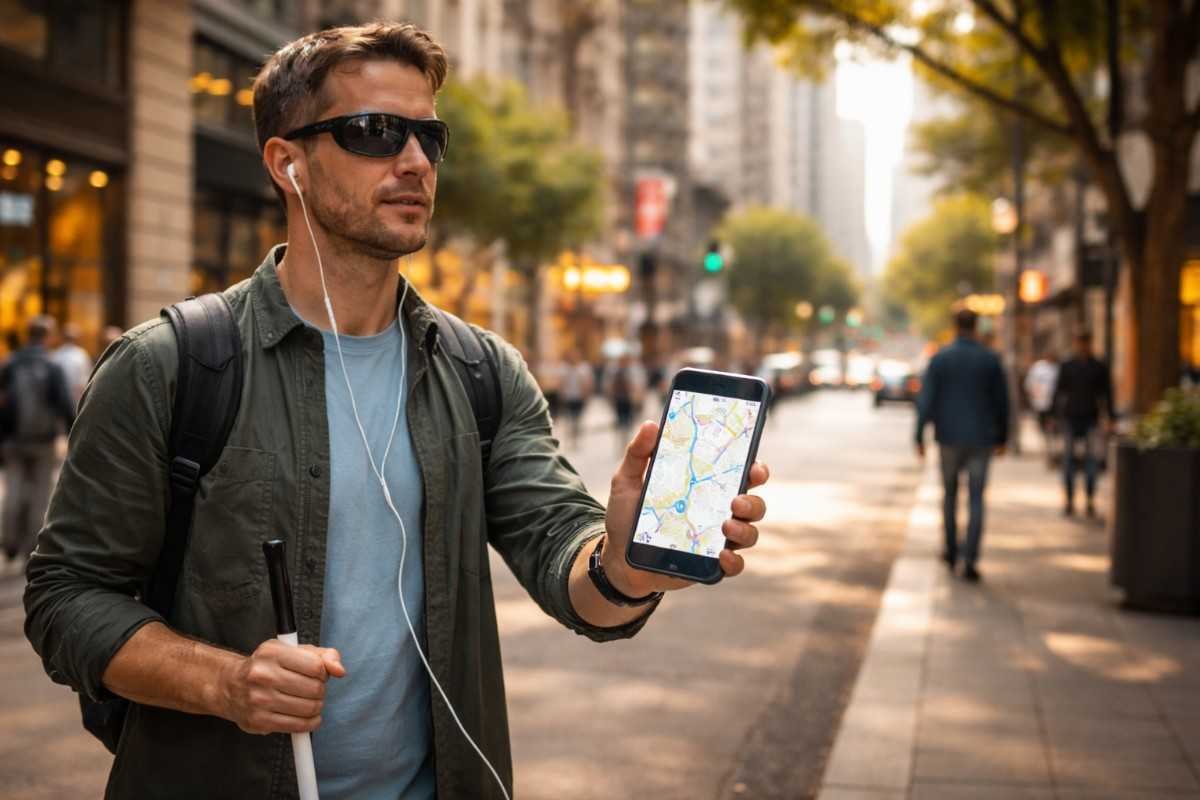
Smartphones have become the central hub for accessibility. Apps like Be My Eyes connect users with real people or AI for instant visual assistance. This makes tasks like reading labels or identifying objects incredibly easy.
Other apps like Seeing AI and Lookout go even further. They read documents, recognize faces, and identify products using barcodes. These tools turn your phone into a powerful assistant that fits in your pocket.
Navigation And Wayfinding Tools
Navigation apps are evolving rapidly. Soundscape uses 3D audio to help users understand their surroundings without needing to look at a screen. It creates a sense of spatial awareness that feels natural.
NaviLens uses special codes placed in public spaces. These codes can be scanned from a distance, providing directions and information instantly. This is especially useful in busy urban environments.
Portable Magnification Systems
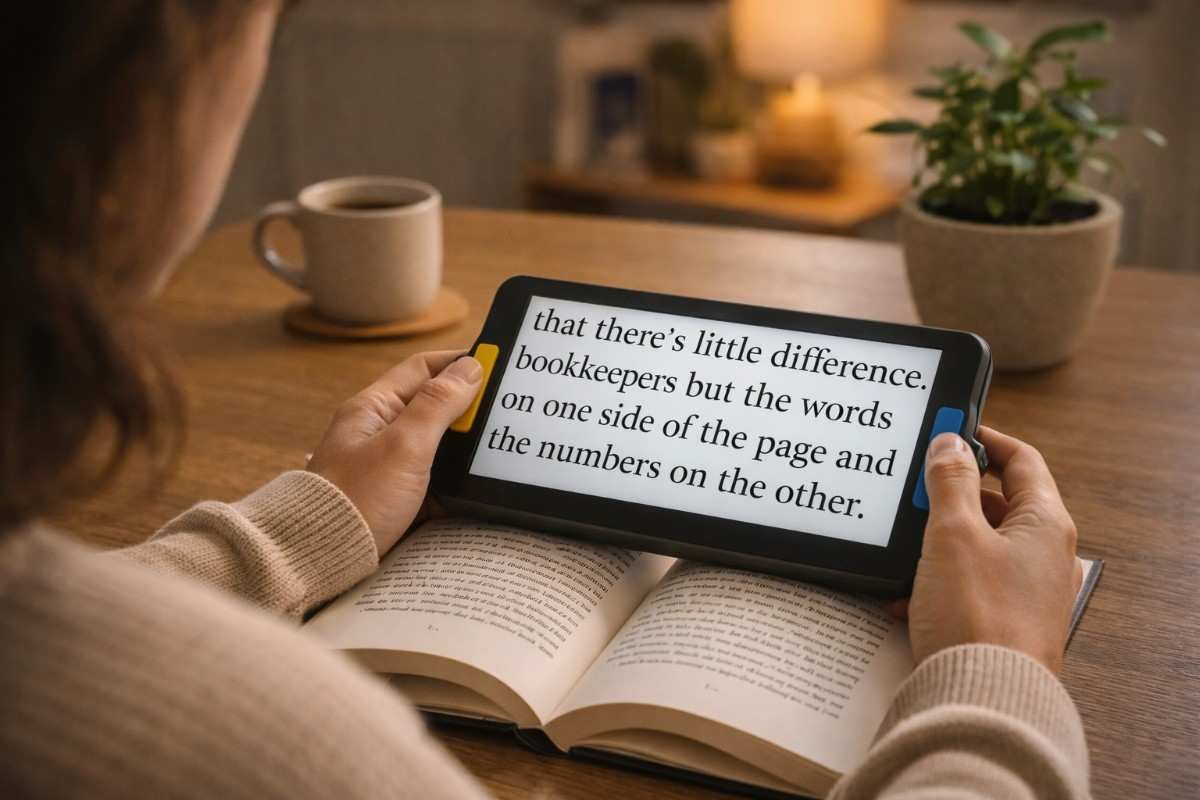
Advanced Digital Magnifiers
For users with partial vision, portable magnifiers remain essential. These devices offer adjustable zoom, contrast, and brightness to make text and objects clearer.
Tools like Zoomax Snow 12 provide high resolution displays with touch controls. They also include text to speech features, allowing users to listen instead of straining their eyes.
Flexible Reading And Writing Support
Systems like Snow Pad transform tablets into magnification devices. This makes them more versatile and portable compared to traditional equipment.
These tools are especially useful for reading books, filling out forms, or working on documents. They bring flexibility without compromising clarity.
Smart Home Integration In Tech
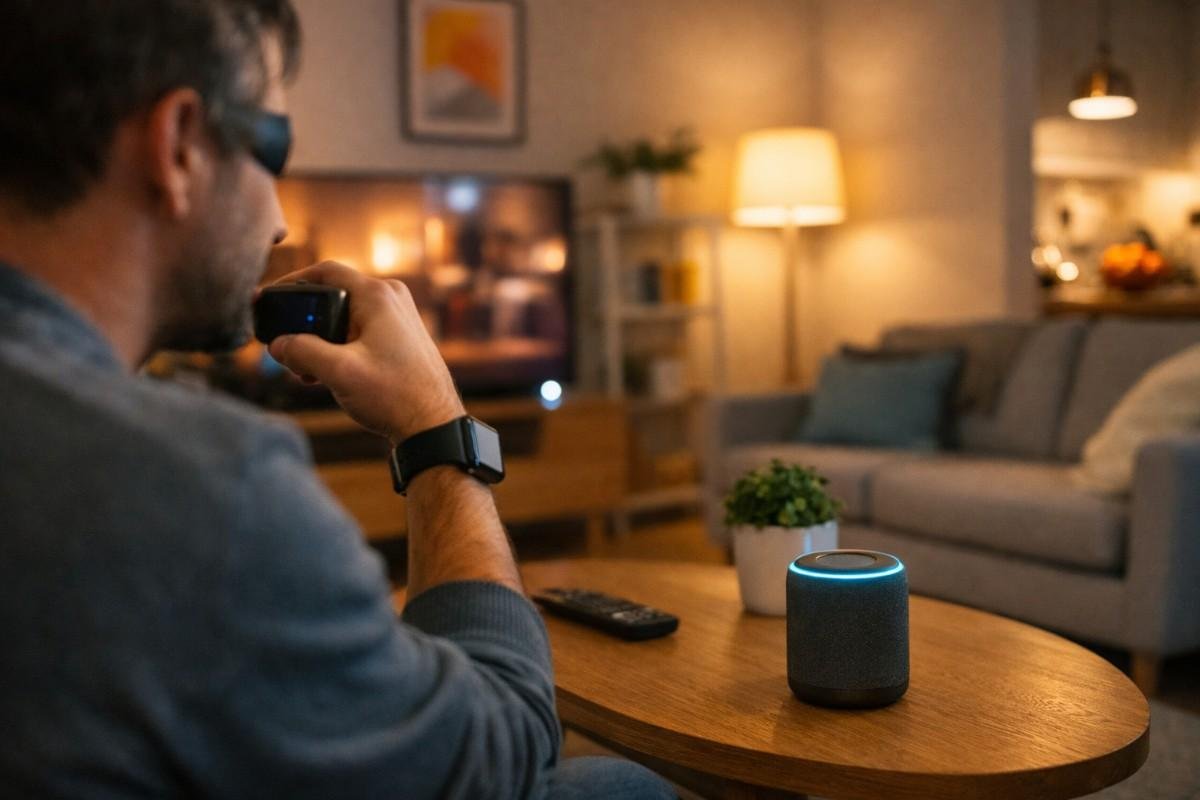
Gesture based control systems
Smart home technology is becoming more accessible through touch and voice. Devices like smart rings allow users to control lights, TVs, and appliances using simple gestures.
This removes the need for visual interfaces entirely. Instead of navigating screens, users interact with their environment naturally.
Smart cane and tactile feedback
The WeWALK smart cane is another major innovation. It uses ultrasonic sensors to detect obstacles and provides vibration alerts. This adds an extra layer of safety beyond traditional canes.
It also connects with navigation apps, offering directions and updates in real time. This combination of tactile and digital feedback enhances mobility significantly.
How To Use Tech For Visually Impaired Users Daily
The first step is starting with a device you already own. Most smartphones include built in accessibility features like screen readers and voice assistants. Turning these on gives you immediate access to powerful tools.
Next, choose one category to focus on. Begin with a screen reader or a visual interpretation app. Spend time learning its features and practicing daily tasks like reading messages or identifying objects.
After that, expand gradually. Add navigation apps or wearable devices depending on your needs. Customize settings like voice speed or contrast levels so the experience feels comfortable.
Finally, use these tools in real situations. Practice navigating short routes or reading labels at home. Over time, these actions become automatic and build confidence in everyday life.
Future Of Tech For Visually Impaired Users
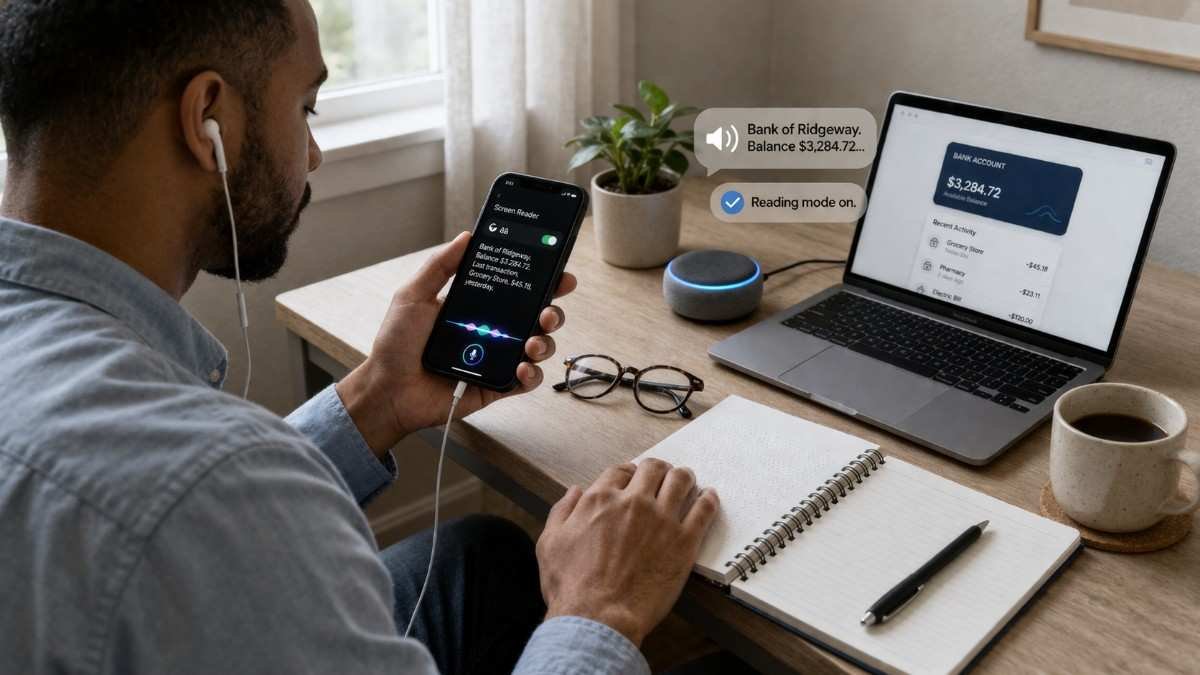
The future is heavily driven by AI and multimodal technology. Tools are becoming smarter and more responsive, combining audio, touch, and visual feedback. This creates a richer and more intuitive experience.
Wearables will continue to improve, offering better accuracy and faster responses. Real time scene understanding will become more detailed, helping users navigate complex environments with ease.
Another key trend is integration. Devices will work together seamlessly, creating a connected ecosystem that supports users across different situations. This will make accessibility even more effortless.
Common Mistakes In Tech For The Visually Impaired
One common mistake is trying too many tools at once. This can make learning overwhelming and reduce effectiveness. It is better to start simple and build gradually.
Another issue is ignoring built in features. Many users download apps without realizing their device already offers powerful accessibility options. Exploring these first can save time and effort.
Not customizing settings is another overlooked problem. Small adjustments like voice speed or brightness can greatly improve usability. Personalization is key to making these tools work effectively.
Frequently Asked Questions
1. What is the best tech for visually impaired users?
Screen readers and AI apps are the most essential tools. They provide access to digital and physical environments.
2. Can smartphones replace specialized devices?
Yes, in many cases. Smartphones now include powerful accessibility features that handle most daily tasks.
3. Is AI important in tech for visually impaired users?
Yes, AI improves object recognition, navigation, and real time assistance. It is shaping the future of accessibility.
4. Are these tools easy to learn?
Most tools are beginner friendly. Starting with one feature at a time makes the process simple and manageable.
Better Living With Tech For Visually Impaired Users
What stands out to me is how far tech for visually impaired users has come. It is no longer just about assistance. It is about freedom and control. Start small, stay consistent, and let the technology adapt to your life. Once it clicks, everything becomes easier, smoother, and far more empowering.