
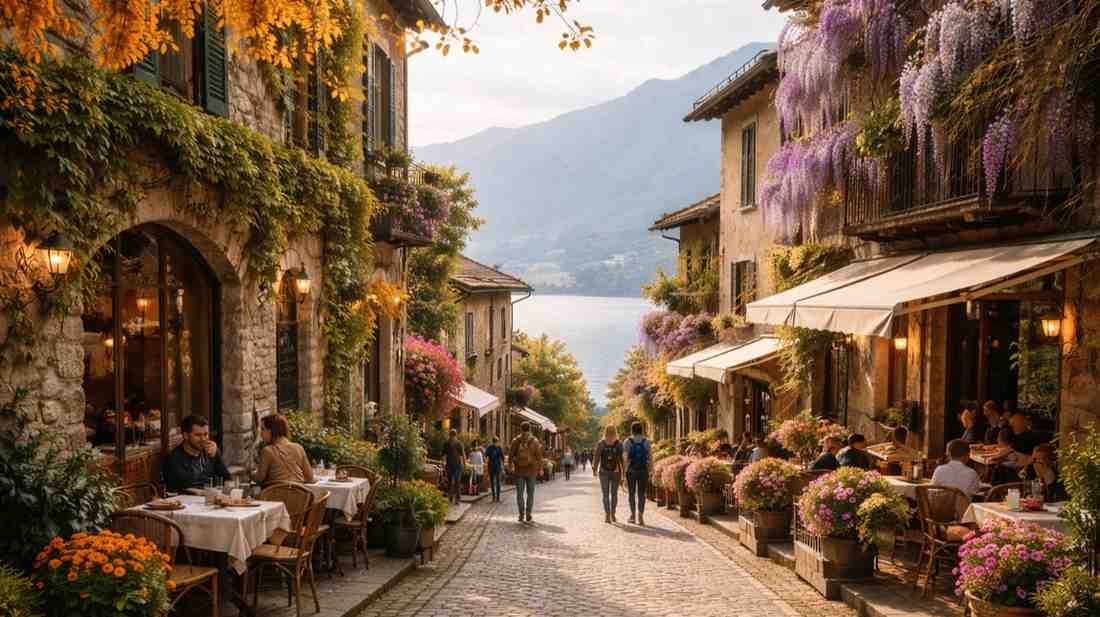
Summer crowds, overpriced flights, and packed attractions often feel like the “normal” way to travel. But the moment you experience a trip during shoulder season, everything shifts. The weather feels just right, the crowds ease up, and the entire journey becomes smoother and more enjoyable. That single change in timing completely redefines how travel feels, turning it from stressful to genuinely memorable.
What Is Shoulder Season
Shoulder season is the period between peak travel season and off-season. It typically happens during spring and fall when destinations are transitioning between busy and quiet periods. During this time, you get a balance of good weather, fewer tourists, and lower prices, which makes travel feel easier and more enjoyable.
What I like most is that you still get full access to attractions, tours, and restaurants. Unlike off-season travel where things may close, shoulder season keeps everything running while removing the chaos of peak crowds.
Typical Timing Of Shoulder Season
The most common shoulder season windows happen during spring and fall. Spring usually runs from March to May, while fall typically falls between September and November. These periods sit right before or after peak travel months, which is why they offer such a balanced experience.
I’ve found that exact timing can vary depending on the destination. Beach locations, mountain regions, and cities all have slightly different peak periods, so understanding local trends helps you truly take advantage of shoulder season.
Why Travel During Shoulder Season
This is where shoulder season really proves its value and why I personally prefer it over peak travel.
Lower Costs In Shoulder Season
One of the biggest advantages of shoulder season is the cost savings. Flights and hotels can be significantly cheaper, often ranging from 20 to 50 percent less than peak season prices. I’ve been able to upgrade hotels or extend trips simply because I saved money upfront.
These savings also apply to tours and experiences. When demand drops slightly, pricing becomes more flexible, which gives you more value for your budget without sacrificing quality.
Fewer Crowds During Shoulder Season
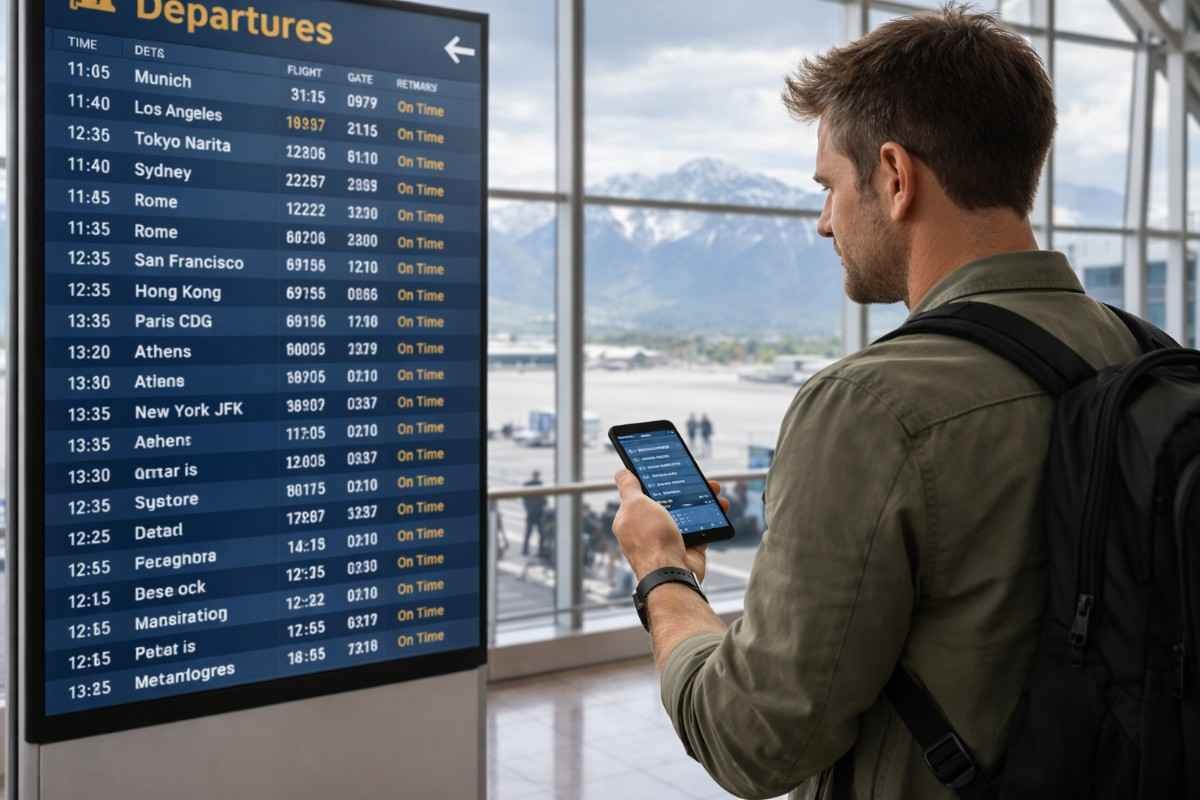
Crowds can completely change how a destination feels. During shoulder season, you avoid long lines, packed attractions, and rushed experiences. I’ve walked into popular landmarks without waiting and enjoyed places that would normally feel overwhelming.
This also makes everyday travel easier. Restaurants are more accessible, transportation feels smoother, and you can explore at your own pace without constantly adjusting to crowds.
Ideal Weather Conditions
Shoulder season often delivers the most comfortable weather. You avoid extreme heat in summer and harsh cold in winter, which makes outdoor activities more enjoyable.
I’ve found this especially helpful for walking tours, hiking, and city exploration. Mild temperatures mean you can spend more time outside without feeling exhausted or uncomfortable.
Open Amenities And Experiences
Unlike off-season travel, shoulder season keeps most services running. Hotels, attractions, and tours remain fully operational, so you don’t feel limited in what you can do. This balance is what makes shoulder season unique. You get the benefits of quieter travel without losing access to experiences that make a destination worth visiting.
Unique Seasonal Experiences
Some of the most memorable travel moments happen during shoulder season. Think of cherry blossoms in spring or fall foliage in national parks. These experiences are tied to specific seasonal windows that often fall within shoulder season. I’ve personally enjoyed destinations more during these times because they feel more alive and visually stunning without the overwhelming crowds.

Global Shoulder Season Examples
Understanding global patterns helps you plan smarter trips across different regions.
| Region | Typical Shoulder Months | Key Highlights |
| Europe | Apr–May & Sept–Oct | Mild Mediterranean weather, wine harvest season |
| USA/Canada | Apr–May & Sept–Oct | Fall foliage, fewer crowds, lower theme park prices |
| Australia | Mar–May & Sept–Nov | Blooming landscapes, cooler temperatures |
| Japan | Mar, May–June & Sept–Dec | Plum blossoms, autumn leaves |
| Caribbean | Apr–June & Nov–Dec | Lower humidity, travel discounts |
| Southeast Asia | Mar–May & Sept–Nov | Transition between wet and dry seasons |
Plan Your Trip The Smart Way
Planning properly is what turns a good trip into a great one, and shoulder season rewards thoughtful planning.
Research Shoulder Season Dates
The first step is identifying when shoulder season happens for your destination. I always look beyond general months and check local tourism patterns. This helps me avoid mini peak periods and get the full benefit of quieter travel.
Timing matters because even a one-week difference can change crowd levels and pricing. Paying attention to these details gives you a clear advantage.
Book With Flexibility
Flexibility is one of the biggest advantages you can use during shoulder season. I usually track flights for a few days and adjust my travel dates slightly to find better deals. This approach often leads to sticking to your travel budget. It also helps avoid busy weekends or local events that can temporarily increase demand.
Pack For Variable Weather
Shoulder season weather can change quickly, so preparation is key. I always pack layers instead of relying on a single type of outfit. This makes it easier to adjust throughout the day. Being prepared for both warm and cool conditions ensures your trip stays comfortable without unnecessary stress.
Travel Smarter With This Simple Routine
This is the routine I personally follow every time I plan a shoulder season trip.

- I start by choosing a destination based on when crowds begin to drop rather than when it looks most popular.
- Then I monitor flight prices and wait for a small dip before booking.
- After that, I build a flexible itinerary instead of scheduling every detail in advance. This allows me to adjust based on weather or local recommendations.
- During the trip, I focus on fewer activities but experience them fully, which makes the entire journey feel more meaningful and less rushed.
Potential Drawbacks Of Shoulder Season
While shoulder season has many benefits, it is important to stay aware of its limitations.
Variable Weather Conditions
Weather can be less predictable during shoulder season. Rain or sudden temperature changes are more common because it is a transitional period. I’ve learned to plan indoor alternatives or flexible activities to avoid disruptions. This keeps the trip enjoyable even if conditions change unexpectedly.
Reduced Transportation Schedules
Some transportation services may run less frequently compared to peak season. This includes ferries, seasonal flights, or specific tour schedules. Checking availability in advance helps avoid surprises. A little planning ensures you don’t miss out on important connections or experiences.
Frequently Asked Questions
1. What Is Shoulder Season In Simple Terms?
Shoulder season is the period between peak and off-season when travel offers a balance of good weather, fewer crowds, and lower prices.
2. When Does Shoulder Season Usually Happen?
It typically occurs during spring from March to May and fall from September to November, depending on the destination.
3. Is Shoulder Season Good For Budget Travel?
Yes, shoulder season often offers lower airfare and hotel rates while still providing a full travel experience.
4. Does Shoulder Season Affect Attractions?
Most attractions remain open, but some may have reduced hours, so it is best to check schedules in advance.
Why Travel Timing Changes Everything
Once I started planning trips around shoulder season, travel became more enjoyable and less stressful. It allowed me to save money, avoid crowds, and experience destinations in a more authentic way.
This season is not just about timing, it is about traveling smarter and getting more value from every trip. If you want better experiences without the chaos of peak travel, it is the shift that makes all the difference.