

Feeling mentally drained after constant conversations, messages, and social expectations became something I couldn’t ignore anymore. Learning how to deal with social burnout helped me understand that it’s not about avoiding people, but about managing energy in a smarter way. Social burnout, sometimes called an introvert hangover, happens when your mind gets overloaded from too much interaction without enough recovery time.
What Is Social Burnout And Why It Happens
Social burnout can feel confusing at first because it builds slowly and often goes unnoticed until you feel completely exhausted.
Mental And Emotional Overload
Too many conversations, decisions, and interactions can overwhelm your brain. Even positive social experiences can add up and create fatigue if there is no time to recover. This leads to emotional exhaustion that makes simple interactions feel like effort.
Over time, your mind starts associating social activity with stress rather than enjoyment. That shift is what makes burnout harder to recognize and address early.
Constant Stimulation Without Breaks
Between in-person interactions and digital communication, your brain rarely gets a break. Notifications, group chats, and social media keep you mentally engaged even when you are physically alone. This constant stimulation prevents your nervous system from resetting, which leads to ongoing fatigue and reduced emotional resilience.
Pressure To Stay Socially Available
There is often an unspoken expectation to reply quickly, attend events, and stay connected. Trying to meet these expectations can push you beyond your natural limits. Without boundaries, your energy gets stretched thin, making burnout almost inevitable over time.
Immediate Recovery Strategies For Social Burnout
When burnout hits, the goal is to calm your mind and restore your energy quickly.
Prioritize Solitude To Reset Your Mind
The fastest way to recover is to step away from social demands. Taking a day with no obligations allows your mind to relax and recover naturally. Spending time alone without pressure helps your brain shift out of performance mode and back into a calm, balanced state.
Disconnect Digitally To Reduce Overload
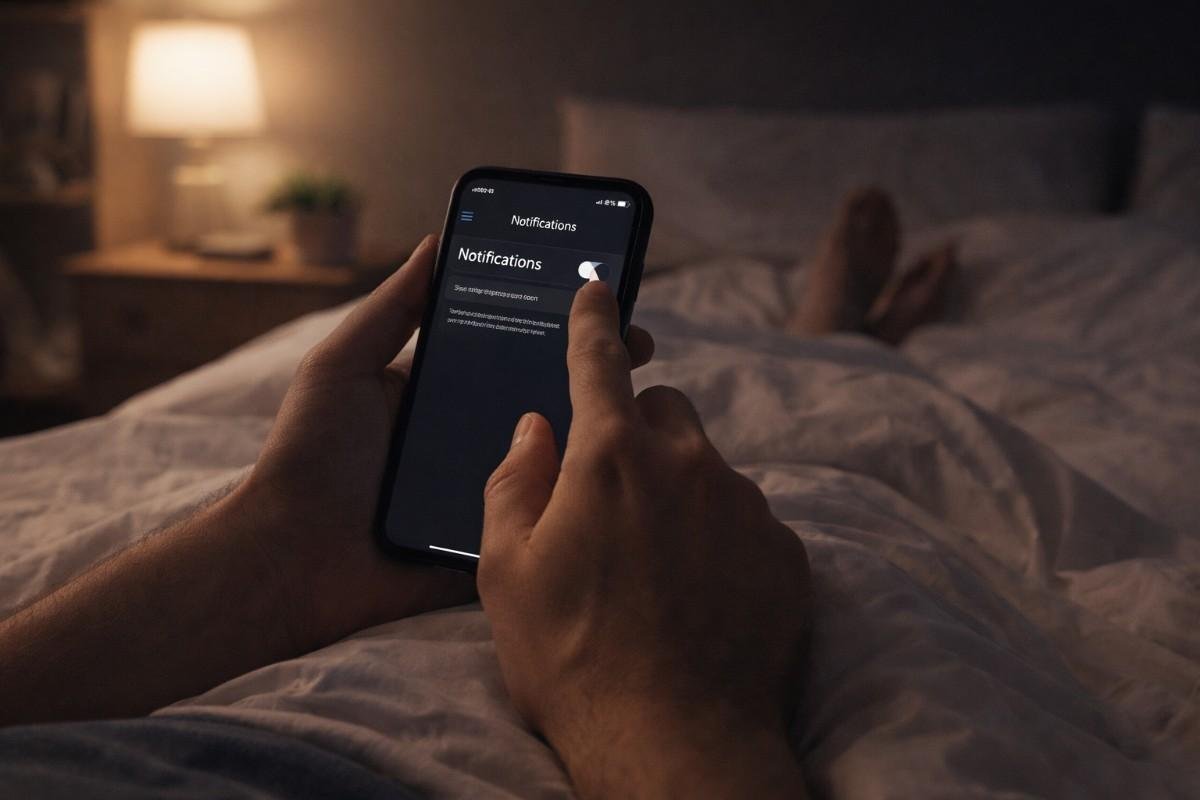
Social burnout is not just about people in front of you. Digital interactions also consume mental energy. Turning off notifications or limiting screen time gives your brain space to breathe. Even a few hours without constant updates can noticeably reduce mental fatigue.
Use Sensory Grounding Techniques
Simple grounding techniques can help lower stress levels quickly. Deep breathing, warm showers, or sitting quietly while focusing on your surroundings can calm your nervous system. These small actions signal safety to your body and help reduce the intensity of burnout symptoms.
Move Your Body To Release Stress
Light physical activity, especially outdoors, helps your body process stress. Walking in a quiet environment or stretching can improve mood and reduce tension. Movement completes the stress cycle, allowing your mind to reset more effectively.
Avoid The Post Event Mental Spiral
After social interactions, it is common to replay conversations and overanalyze everything. This habit increases mental exhaustion and prolongs burnout. Letting go of that internal replay helps your brain rest instead of continuing the stress cycle.
Long Term Habits To Prevent Social Burnout
Sustainable habits make it easier to maintain balance and avoid future exhaustion.
Audit Your Social Calendar Regularly
Looking at your commitments over a week or month helps you spot patterns of overbooking. Categorizing events into essential, optional, and unnecessary makes it easier to prioritize. This simple habit helps you stay intentional instead of reacting to every invitation.

Set Flexible Social Expectations
You do not have to attend every event fully. Deciding in advance how long you will stay or choosing lower intensity activities reduces pressure. Shorter, more intentional interactions are often more enjoyable and less draining.
Create Micro Boundaries Throughout The Day
Small breaks between interactions can make a big difference. Taking a few minutes alone after work or before meeting others allows your mind to reset. These micro boundaries prevent exhaustion from building up throughout the day.
Communicate Honestly With Others
Letting people know when your energy is low creates understanding and reduces pressure. Most people appreciate honesty more than forced participation. Clear communication strengthens relationships while protecting your mental well being.
Practice Low Pressure Social Connection
Not all connection requires constant conversation. Spending time with others in a relaxed setting, like watching a movie or sitting quietly together, allows connection without high energy demands. This approach helps maintain relationships without contributing to burnout.
How To Deal With Social Burnout Step By Step
This is the exact system that helped me regain balance without disconnecting from people completely.
Start by recognizing your current energy level instead of pushing through exhaustion. Paying attention to how you feel helps you make better decisions about your time.
Next, reduce your commitments temporarily to give your mind space to recover. Canceling or rescheduling plans is sometimes necessary to protect your well being.
Then, create intentional downtime where you disconnect from both people and digital noise. This allows your brain to reset and regain clarity.
After that, introduce boundaries that prevent future overload. This could mean limiting events per week or setting response time expectations.
Finally, slowly reintroduce social interactions that feel positive and manageable. Choosing the right environment and people makes it easier to rebuild your social energy without stress.
Daily Practices That Support Social Balance
Small daily habits can help maintain energy and prevent burnout from returning.
Schedule Intentional Alone Time
Making time for yourself every day helps maintain emotional balance. It gives your mind a chance to rest and recover from daily interactions. This habit creates a stable foundation for long term well being.
Reduce Unnecessary Social Input
Limiting exposure to constant updates and conversations helps reduce mental clutter. Choosing when and how you engage gives you more control over your energy. This reduces the feeling of being overwhelmed by constant communication.
Pay Attention To Early Warning Signs
Recognizing early signs like irritability or fatigue allows you to act before burnout becomes severe. Responding early helps you maintain balance more effectively. Listening to your body prevents long periods of exhaustion.
Rebuilding A Healthy Social Routine
The goal is to create a social life that feels supportive instead of draining.
Choose Meaningful Interactions
Spending time with people who energize you rather than drain you improves your overall experience. Quality matters more than quantity. This shift makes socializing feel enjoyable again.

Release The Pressure To Always Say Yes
Learning to decline invitations without guilt gives you more control over your time. You can choose experiences that align with your energy. This reduces unnecessary stress and helps maintain balance.
Create A Sustainable Rhythm
Planning your week with a mix of social time and recovery ensures long term consistency. Balance becomes part of your routine instead of something you chase. A structured approach prevents burnout from returning.
Frequently Asked Questions
1. What Is How To Deal With Social Burnout?
It refers to practical strategies that help you recover from social exhaustion and manage your energy effectively.
2. How To Deal With Social Burnout Quickly?
Take time alone, disconnect digitally, and engage in calming activities like walking or deep breathing.
3. Can Social Burnout Affect Mental Health?
Yes, prolonged burnout can lead to stress, anxiety, and reduced motivation if not addressed early.
4. Is It Normal To Feel Socially Drained Often?
Yes, especially during busy periods. It becomes a concern only when it affects your daily life consistently.
Finding Balance Without Losing Connection
Understanding how to deal with social burnout helped me create a healthier relationship with both people and my own energy. It is not about doing less, but about doing what feels right and sustainable. Once you start protecting your mental space and setting clear boundaries, social interactions become enjoyable again instead of exhausting. The balance you build will support both your well being and your relationships.