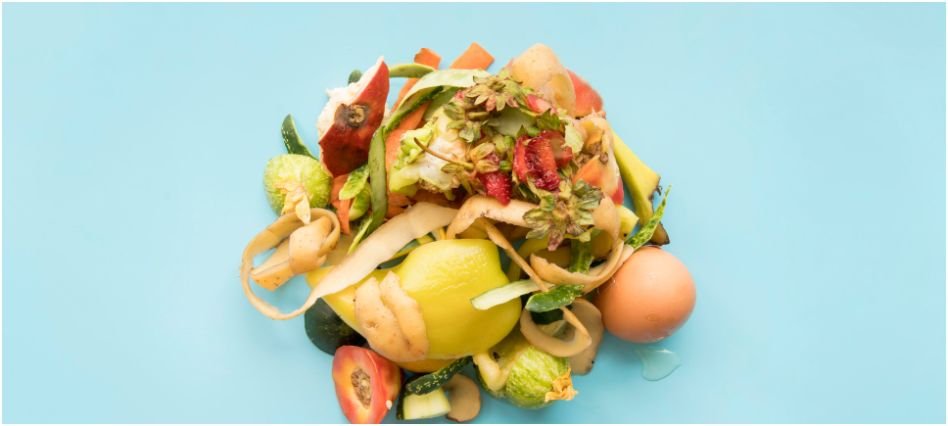
When I first started cooking more from scratch, I was horrified by how much food I was throwing away. From potato peels to onion skins, I realized that all these bits could be more than just waste—they could be repurposed! Now, I save my veggie scraps in a bag in the freezer and use them for everything from rich homemade stock to crispy snacks.
Not only does it save me money, but it also makes me feel better about my impact on the planet. So, let me share some simple yet creative ways to make the most of those veggie scraps instead of tossing them away.
What Veggie Scraps Should You Save?
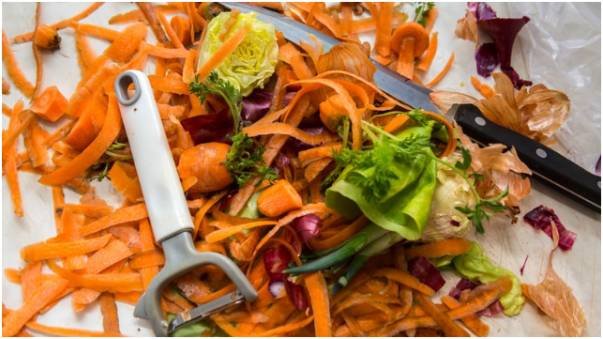
You might be wondering, “Which veggie scraps are worth saving?” Honestly, almost any part of your vegetables can serve a purpose if you know what to do with it. The key is knowing which scraps work best for certain uses. Here’s a quick rundown of the most common veggie scraps I save and repurpose.
- Aromatics: Onion skins, garlic ends, and celery tops are perfect for homemade stock.
- Root Veggies: Carrot tops and potato peels make for great snacks or flavor additions.
- Herb Stems: The woody stems of thyme or parsley are packed with flavor, great for soups and stews.
- Other Veggies: Broccoli stems, beetroot skins, and even the ends of mushrooms can add richness to your meals.
The next time you prep your veggies, don’t toss those peels and ends—freeze them for later use!
How Can You Make Homemade Veggie Stock from Scraps?

Making homemade stock from veggie scraps is one of the easiest and most rewarding ways to repurpose your kitchen waste. It’s like liquid gold! I use this method every time I have a bag of frozen scraps, and it always adds such depth to my soups, sauces, and risottos. Here’s how to do it:
Step-by-Step Guide to Making Veggie Stock:
- Prep Your Scraps: Take all your veggie scraps (like onion skins, carrot ends, and garlic peels) and place them in a large stockpot or Dutch oven.
- Sauté (Optional): For an even richer flavor, I like to sauté the scraps in olive oil for 5–7 minutes before adding water. This helps caramelize the vegetables and enhances the flavor.
- Add Water: Pour in 8–10 cups of water, ensuring the scraps are fully submerged. I also toss in a bay leaf, some salt, and a few peppercorns for extra depth.
- Simmer: Bring everything to a boil, then reduce the heat and let it simmer with the lid slightly ajar for 45 minutes to 1.5 hours.
- Strain: Once the stock is ready, strain it through a fine-mesh strainer into a large bowl. Discard or compost the softened solids.
- Store: Cool the stock completely, then store it in the fridge for up to 5 days or freeze for up to 6 months.
Now you’ve got a rich, flavorful veggie stock that’s ready to be added to any dish, and you didn’t waste a single scrap!
Can You Make Crispy Veggie Peel Chips from Scraps?
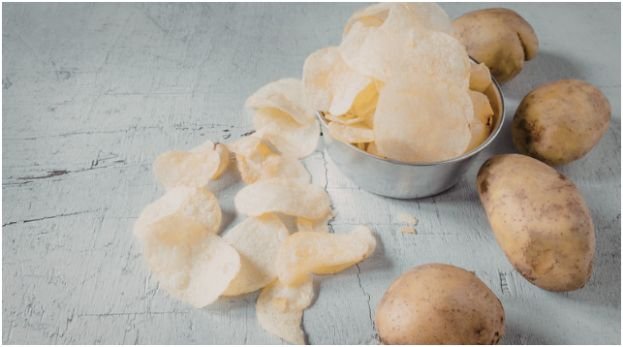
Let me tell you: potato peels are like the unsung hero of snacks. You can easily transform them into crispy, salty chips that will make you forget you’re even eating scraps. The same goes for carrot and parsnip peels! Once I learned how easy it was to turn these peels into a crispy treat, I was hooked.
How to Make Crispy Veggie Peel Chips:
- Preheat the Oven: Set your oven to 400°F (200°C).
- Wash and Dry: Give the peels a good wash, and make sure they’re thoroughly dry before you start. This helps them crisp up in the oven.
- Season: Toss the peels with a bit of olive oil, salt, and your favorite seasonings. I love paprika and garlic powder, but you can get creative here.
- Bake: Lay the peels out in a single layer on a baking sheet lined with parchment paper. Be sure not to overlap them—give them room to crisp up!
- Cook: Pop them in the oven for 15–20 minutes, tossing halfway through. Keep an eye on them after the 15-minute mark—carrot peels tend to burn faster than potato peels.
- Cool: Once they’re golden and crispy, take them out and let them cool on the tray. They’ll crisp up even more as they cool.
These veggie peel chips are a great, waste-free snack that’ll satisfy your salty cravings. Plus, they’re way better than store-bought chips!
Can You Regrow Your Veggies from Scraps?
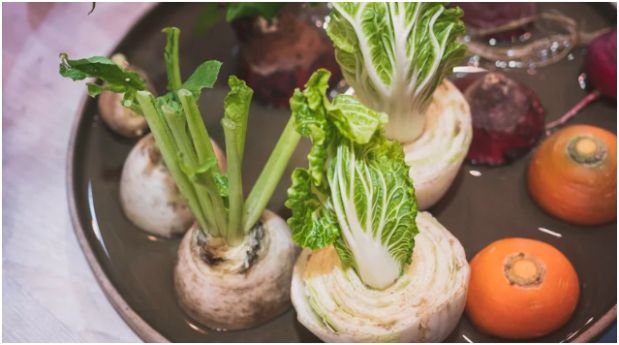
I love the idea of regrowing vegetables from scraps because it feels like a little gardening magic in my kitchen. It’s so easy to take the root ends of vegetables like celery, lettuce, or scallions and turn them into fresh, edible greens.
Whenever I have leftover root ends, I just pop them in a shallow dish of water and place it near a sunny window. Within days, new shoots start to grow—it’s that simple!
How to Regrow Kitchen Scraps:
- Prepare Your Scraps: Take the root end of vegetables like celery, lettuce, or bok choy.
- Place in Water: Put the root ends in a shallow dish filled with water, ensuring the roots are submerged but the tops are above the waterline.
- Find a Sunny Spot: Put the dish in a sunny spot on your kitchen counter.
- Wait for Growth: After a few days, you’ll see new growth. For greens like celery and lettuce, it may take 1–2 weeks for them to be ready to use again.
Regrowing veggies not only helps you save money but also feels super rewarding. It’s like having your very own mini garden, even if you don’t have a backyard.
FAQ
1. Can you use any vegetable scraps for stock?
Not all veggie scraps are great for stock. For example, cruciferous vegetables like broccoli, cabbage, or Brussels sprouts can add a bitter taste. Stick with scraps like onion skins, carrot ends, and celery tops for the best flavor.
2. How long can you store homemade stock?
I store my homemade veggie stock in the fridge for about 5 days. If I want to keep it longer, I freeze it in freezer-safe containers for up to 6 months. That way, I always have it on hand for soups, sauces, and more.
3. Can you make veggie stock without scraps?
Yes! If you don’t have scraps, you can still make a simple veggie broth using fresh vegetables like onions, carrots, celery, and garlic. Just chop them up and follow the same steps.
The Bottom Line: Don’t Toss the Veggie Scraps
Now that you know how to use your veggie scraps in everything from homemade stock to crispy chips, I hope you’ll think twice before tossing them out. Repurposing your kitchen scraps not only helps reduce food waste but also boosts the flavor of your meals and saves you money.
Plus, there’s something incredibly satisfying about knowing you’ve made the most of every vegetable in your kitchen. So, next time you’re prepping dinner, save those scraps, freeze them, and get creative. Your taste buds (and the planet) will thank you!