A few years ago, I remember enjoying the cool, crisp air during a fall afternoon, sipping coffee on my porch. These days, however, I’m more likely to find myself indoors, trying to escape an unexpected heatwave or an unexpected rainstorm. It’s almost like Mother Nature has lost her cool.
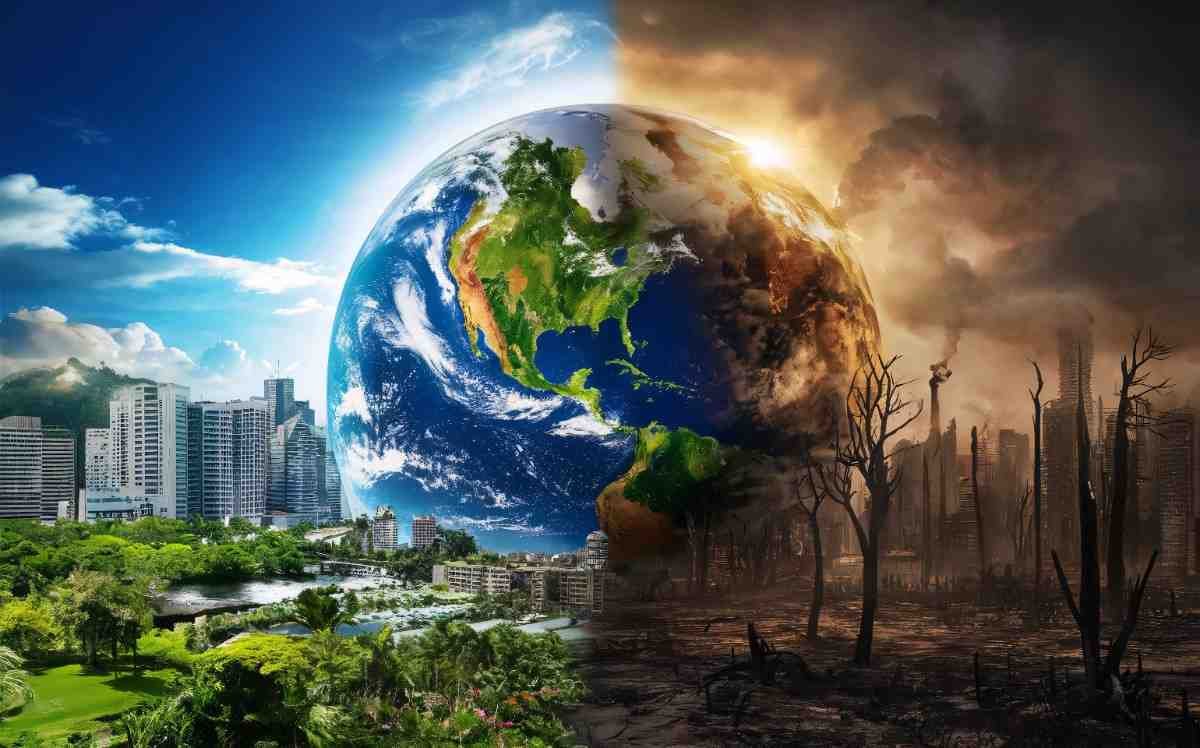
Climate change effects are no longer just a topic for environmental activists—it’s now something we see, feel, and experience in our daily lives. The effects of climate change are becoming more intense with every passing year, and its consequences are reaching every corner of the globe. From extreme weather to rising sea levels, climate change effects are reshaping our world.
How Is Climate Change Affecting Weather Patterns?
We’ve all heard the term “global warming,” but the effects of climate change on weather are far-reaching and dramatic. Rising global temperatures are causing extreme shifts in weather patterns, with far-reaching consequences for both the environment and human society.
Heatwaves and Rising Temperatures:
Since 2015, the world has witnessed the ten hottest years on record. Extreme heat has become more frequent and intense, especially in cities and on land, which warm up much faster than oceans. These scorching temperatures are not only uncomfortable but also dangerous. The number of heat-related illnesses, such as heatstroke, has spiked as the mercury rises.
Storms and Flooding:
Another major effect of climate change is the intensification of storms and flooding. As the atmosphere warms, it holds more moisture—roughly 7% more for every 1°C of temperature increase. This means heavier rainfall, larger hurricanes, and more devastating inland flooding. For instance, cities that were once unaffected by flooding are now seeing unprecedented water levels due to the warmer air.
Droughts and Wildfires:
Higher temperatures are also contributing to prolonged droughts and more intense wildfires. In the western U.S., the area burned by forest fires has more than doubled over the past few decades, and as the climate continues to warm, these droughts and fires are likely to become more common and severe.
What Are the Climate Change Effects on Oceans and Ice?
Climate change is having a profound effect on our planet’s oceans and frozen landscapes (the cryosphere). The melting of ice and the rising sea levels are perhaps the most visible impacts, and they threaten coastal communities, wildlife, and entire ecosystems.
Sea Level Rise:
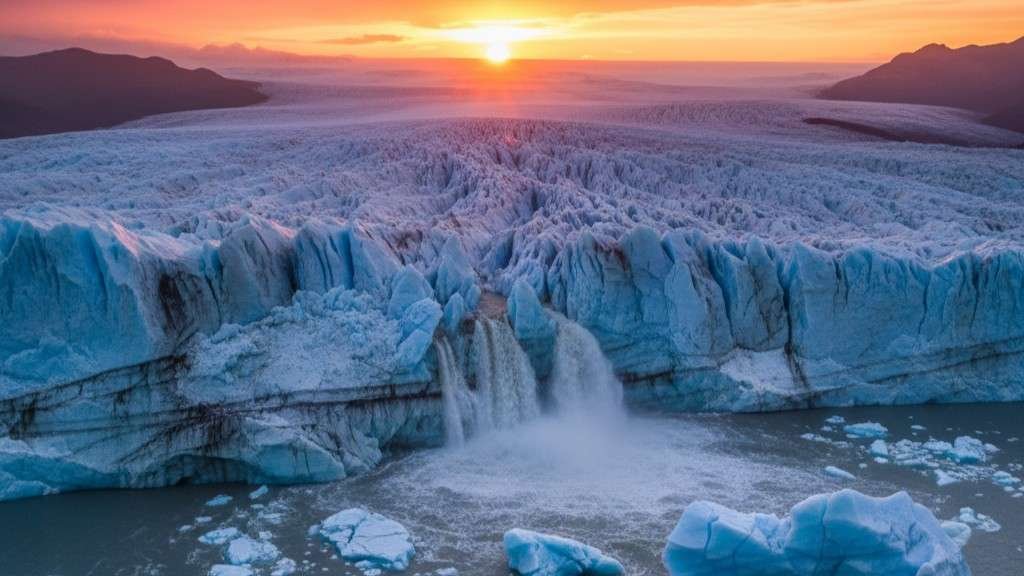
Global sea levels have risen approximately 8–9 inches (21–24 cm) since 1880, primarily due to melting ice and thermal expansion of seawater. This may seem small, but it has already led to the flooding of low-lying areas and will only worsen in the coming decades. Rising seas threaten coastal cities and small island nations, displacing millions of people in the near future.
Melting Ice:
The Arctic is warming 3 to 4 times faster than the global average, and since the 1970s, the extent of sea ice in the region has decreased by more than 50%. The loss of ice not only leads to rising sea levels but also disrupts local ecosystems that depend on ice-covered waters, such as polar bears, seals, and fish species.
Ocean Acidification:
The ocean has absorbed about 30% of the carbon dioxide (CO₂) emitted by human activities, which has led to increased acidity. This is disastrous for marine life, particularly for organisms like shellfish, corals, and plankton that rely on calcium carbonate to form shells and skeletons. As the ocean becomes more acidic, entire ecosystems, including coral reefs, are at risk of collapse.
Climate Change Effects on Human Health and Society
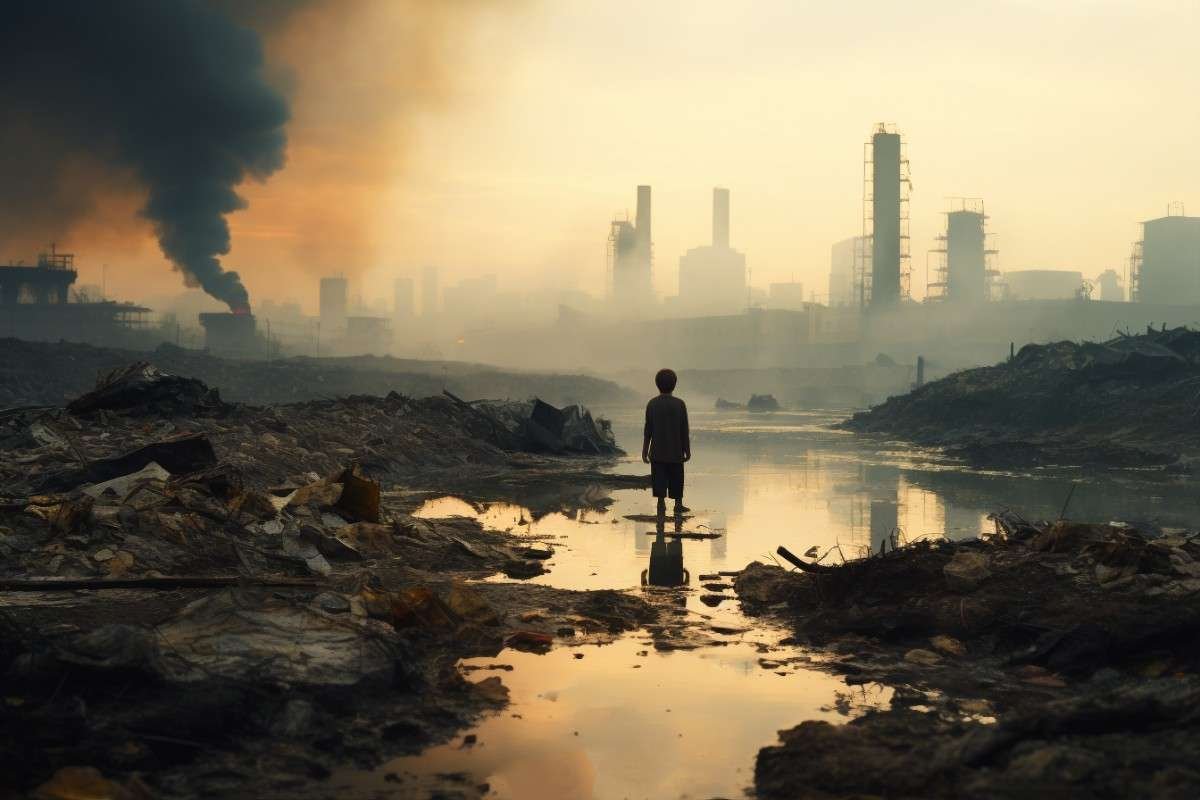
While the effects of climate change on the environment are becoming clearer, the impact on human health and society is no less alarming. From the rise in extreme weather events to the spread of disease, climate change is jeopardizing the well-being of millions around the world.
Health Risks:
Heatwaves are the deadliest type of extreme weather, causing heat-related illnesses and deaths. But that’s not all—climate change also expands the range of vector-borne diseases like Lyme disease, Zika, and malaria into new regions. Warmer temperatures allow disease-carrying insects to thrive in areas that were once too cold for them, putting more people at risk.
Food and Water Scarcity:
Climate change also threatens food and water security. Extreme weather events like droughts, floods, and temperature fluctuations disrupt crop yields, particularly for staple foods like rice, wheat, and corn. This can lead to price spikes, food shortages, and hunger. Additionally, over 2 billion people currently lack access to safe drinking water, and this number is expected to rise as water sources become more contaminated or depleted.
Economic Loss:
The economic consequences of climate change are staggering. In the U.S. alone, weather-related disasters cost the economy $145 billion in 2021. From hurricanes to wildfires, the financial toll on cities, businesses, and families is increasing every year. These extreme events are not only costly to repair but also affect the global economy, particularly in sectors like agriculture, insurance, and tourism.
Impact of Climate Change Effects on Ecosystems and Wildlife
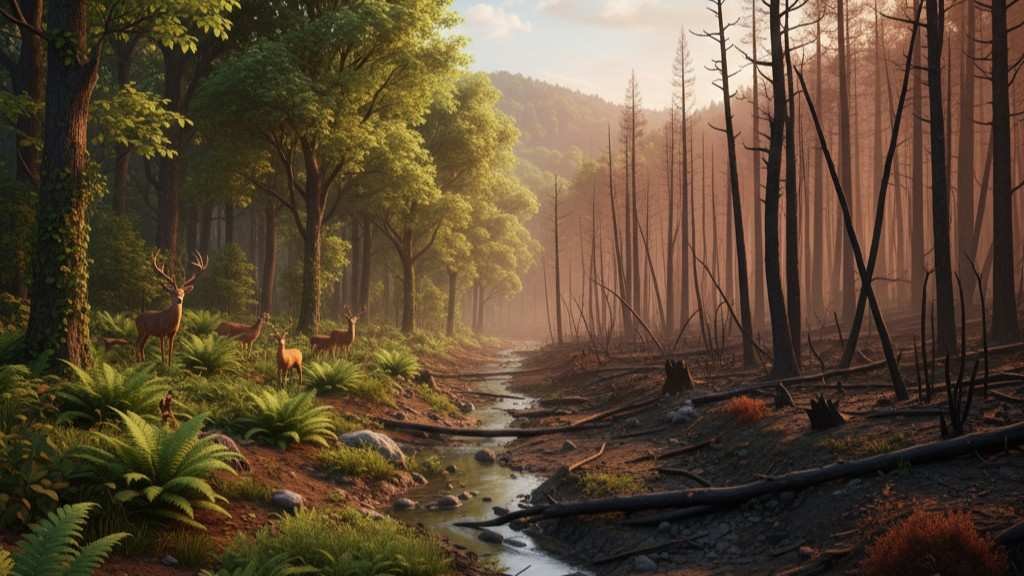
Biodiversity is already under threat as ecosystems and wildlife are disrupted by climate change. Many species are struggling to adapt to rapidly changing conditions, leading to biodiversity loss and the extinction of vulnerable species.
Biodiversity Loss:
One million species are at risk of extinction within the next few decades due to climate change and other human activities. As temperatures rise, animals are shifting their ranges toward cooler areas—usually poleward or to higher elevations. Some species, like the polar bear, are unable to migrate and are facing extinction. Ecosystem collapse is not a distant worry; it’s happening right now.
Coral Bleaching:
Coral reefs, which are home to thousands of species, are particularly vulnerable to climate change. As ocean temperatures rise, corals expel the algae that live inside them, causing the reefs to bleach and eventually die. Even if global warming is limited to 1.5°C, it’s predicted that 70-90% of coral reefs could disappear by 2100.
How Can We Combat the Effects of Climate Change?
While the climate change effects are undeniable, it’s not all doom and gloom. There are steps we can take to reduce our carbon footprint and mitigate the effects of climate change. Here’s a step-by-step guide to help make a difference:
1. Reduce Waste:
Cutting down on consumption, reusing items, and recycling helps conserve resources and reduce the waste sent to landfills.
2. Shift to Renewable Energy:
Transitioning to renewable energy sources like solar and wind can significantly lower your carbon footprint. If you can, choose clean energy for your home or invest in energy-efficient appliances.
3. Use Public Transport or Carpool:
Cars are one of the largest contributors to greenhouse gas emissions. By using public transport, carpooling, or even biking, you can help reduce pollution and lower your impact on the environment.
4. Support Sustainable Agriculture:
Supporting sustainable farming practices, eating more plant-based foods, and reducing food waste can help protect ecosystems and combat climate change.
5. Advocate for Change:
Vote for politicians and policies that prioritize climate action. Support laws that reduce emissions, protect wildlife, and promote sustainable development.
Frequently Asked Questions
1. What are the main climate change effects on weather?
Climate change causes more frequent and intense heatwaves, stronger storms, and increased rainfall, leading to flooding and droughts. These extreme events are becoming more common due to the rising global temperatures.
2. How is climate change affecting sea levels?
Sea levels are rising due to the melting of glaciers and ice caps and the thermal expansion of seawater as it warms. This causes coastal flooding and erosion, threatening millions of people living near the coast.
3. How does climate change affect biodiversity?
Climate change leads to habitat loss, forcing many species to move or adapt to new areas. This results in biodiversity loss, as species unable to migrate may face extinction.
4. Can we reverse the effects of climate change?
While we cannot reverse all of the damage, we can slow down and mitigate the effects by reducing greenhouse gas emissions, conserving natural resources, and supporting sustainable practices.
Conclusion
Climate change effects are already affecting our planet in profound ways, from extreme weather to biodiversity loss. But there’s hope. By making small changes in our daily lives and advocating for larger systemic shifts, we can help curb the impacts and create a more sustainable future. It’s time to take action—because, as we’ve learned, the effects of climate change aren’t just on the horizon; they’re here, and we have the power to do something about it.