

Space exploration is more than just sending astronauts into the vast unknown; it drives innovation, strengthens global economies, and provides a unique vantage point to address Earth’s most pressing challenges.
Beyond scientific discovery, it has led to thousands of “spinoff” technologies that improve daily life, from medical breakthroughs to environmental protection. Today, we’ll explore the various benefits of space exploration, from technological advancements to its economic impact and global cooperation.
Technological & Scientific Spinoffs
Space exploration has fueled countless innovations that have transformed industries and improved life on Earth. Many of the technologies originally developed for the harsh conditions of space are now integrated into our everyday lives.
Healthcare Advancements
Space research has led to significant medical breakthroughs. One of the most notable spinoffs is the development of implantable heart monitors. These monitors were initially created to track astronauts’ health in space and are now widely used to monitor patients with heart conditions.
Similarly, space research has played a role in developing advanced cancer therapies and bioprinting technologies, enabling the creation of human tissues and organs. These innovations are helping to save lives and improve patient care on Earth.
Safety & Infrastructure Enhancements
Technologies developed for the extreme conditions of space missions have also made their way into infrastructure and safety applications. Shock absorption technology used in rocket launches is now applied to protect buildings and bridges from earthquakes.
These advancements have led to safer cities and structures worldwide, demonstrating how space exploration can benefit sectors beyond science and technology.
Daily Tech Innovations
The benefits of space exploration extend to everyday technology. Water purification systems, originally designed to provide astronauts with clean drinking water, are now used globally to provide fresh water in disaster-stricken areas.
Other innovations, such as scratch-resistant lenses, memory foam, and CMOS image sensors (which are used in smartphone cameras), all have their origins in space programs. These technologies have improved the quality of life for billions of people across the world.
Global Infrastructure & Navigation
Modern society relies heavily on space-based assets for essential services, and space exploration has significantly enhanced our global infrastructure and navigation systems.

GPS & Navigation Systems
The Global Positioning System (GPS) is perhaps the most widely known space-based asset. GPS enables global navigation for everything from personal smartphones to autonomous vehicles, making it easier to travel, navigate, and transport goods.
It’s hard to imagine a world without GPS, as it has become an integral part of daily life, offering precise location data that powers navigation apps, delivery services, and even location-based social media apps.
Telecommunications Advancements
Satellites play a crucial role in global telecommunications. They provide high-speed internet and communication services, bridging the digital divide for remote and underserved communities.
Space exploration has made it possible for individuals in rural or isolated areas to access the internet, enhancing global connectivity and improving education, healthcare, and commerce worldwide.
Weather & Disaster Response
Space-based assets are critical for weather forecasting and disaster response. Satellites provide real-time data that helps meteorologists track hurricanes, wildfires, and other natural disasters. This data is crucial for early warning systems that can save lives by allowing people to evacuate before a disaster strikes.
By enabling more accurate weather predictions and disaster management, space exploration has saved countless lives and minimized the impact of natural disasters on communities.
Environmental Monitoring
Space exploration provides a “top-down” view of Earth that is essential for understanding and addressing environmental issues. Satellites and space-based sensors are instrumental in monitoring and protecting the planet’s environment.
Climate Change Tracking
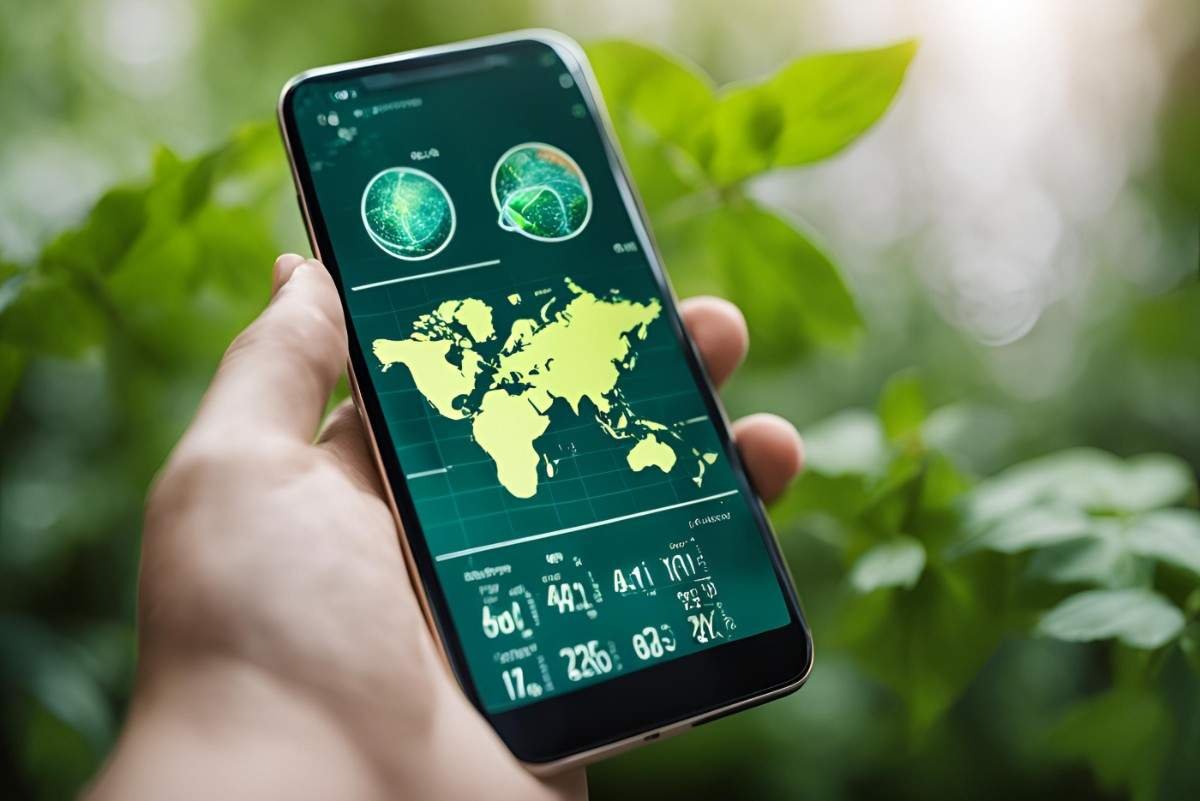
Satellites provide more than half of the data points used to track climate change. They monitor rising sea levels, melting ice sheets, and changes in land use. This data is crucial for understanding the effects of climate change and guiding policymakers in developing strategies to mitigate its impacts. Space exploration has played a vital role in raising awareness about climate change and supporting efforts to protect the environment.
Pollution & Sustainability
Space-based sensors are also used to detect air pollution and monitor the condition of the ozone layer. These tools help governments and organizations track pollutants, identify sources of pollution, and implement better environmental policies.
By providing a global perspective on environmental issues, space exploration contributes to the ongoing efforts to protect our planet and promote sustainability.
Economic Impact & Job Creation
The space sector is a massive economic driver, generating billions in revenue and creating millions of jobs worldwide.

Economic Growth
The global space economy is projected to reach $1.8 trillion by 2035, and this growth is being fueled by innovations in space exploration and technology. Space-related industries, including satellite services, space tourism, and space manufacturing, are contributing to global economic growth.
As the space economy expands, it creates new opportunities for businesses and governments alike, driving innovation and creating new revenue streams.
Employment Opportunities
Space exploration is also a significant source of employment. NASA alone supports over 312,000 jobs across the U.S., with positions spanning engineering, science, technology, and administration. The space sector provides high-paying, highly skilled jobs that contribute billions to the U.S. economy. The continued growth of the space industry will likely result in even more job opportunities, further bolstering economic development.
STEM Inspiration
Space exploration continues to inspire students around the world to pursue careers in science, technology, engineering, and mathematics (STEM). By fostering interest in these fields, space exploration helps build a highly skilled workforce for the future.
As new generations of scientists, engineers, and innovators enter the workforce, they will continue to push the boundaries of what’s possible, driving further technological advancements and economic growth.
International Cooperation & Survival
Space exploration also plays a key role in fostering global cooperation and ensuring the long-term survival of humanity.
Diplomatic Ties
The International Space Station (ISS) is a prime example of how space exploration brings together countries that might otherwise be geopolitical rivals. Through joint space missions, countries like the U.S., Russia, and China collaborate on research, share resources, and work together to explore space. This level of international cooperation promotes peaceful diplomacy and strengthens global ties.
Species Longevity
Space exploration may also help secure the long-term survival of humanity. By exploring other planets, we can learn more about potential asteroid threats to Earth and develop strategies for protecting our planet from these hazards.
Additionally, the possibility of colonizing other planets could provide a long-term path for human survival in case Earth faces a catastrophic event. Space exploration, in this sense, offers a potential “insurance policy” for humanity’s future.
How to Get Involved in Space Exploration (Without Becoming an Astronaut)
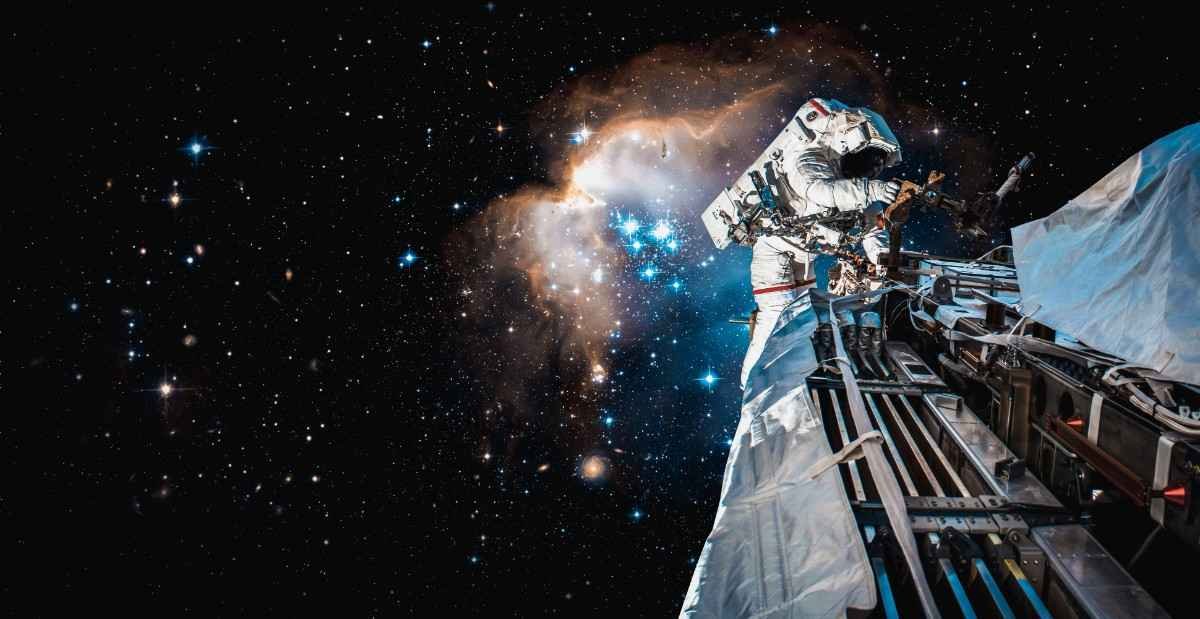
While becoming an astronaut might not be on everyone’s to-do list, there are still ways you can get involved in space exploration:
- Stay Educated
Take classes, watch documentaries, or follow space exploration news. The more you learn, the better equipped you’ll be to understand and appreciate the importance of space research. - Support Space Organizations
Consider donating to space exploration organizations, like The Planetary Society or NASA, to help fund their research and missions. - Pursue a STEM Career
If you’re passionate about space exploration, consider pursuing a career in science, technology, engineering, or mathematics (STEM). Many space agencies and private companies are constantly looking for new talent to push the boundaries of space research.
Frequently Asked Questions
1. What are the main benefits of space exploration?
Space exploration drives technological innovation, enhances global infrastructure, contributes to economic growth, and fosters international cooperation. It also helps address environmental and climate challenges through satellite monitoring.
2. How does space exploration impact our economy?
The space sector is a major contributor to the global economy, projected to reach $1.8 trillion by 2035. It generates jobs, fuels technological advancements, and opens up new industries like space tourism and satellite services.
3. What are the environmental benefits of space exploration?
Space exploration provides critical data for monitoring climate change, tracking pollution, and improving sustainability efforts. Satellites help us understand Earth’s environment from a unique vantage point, guiding better policy decisions.
4. How can I support space exploration?
You can support space exploration by staying informed, donating to space organizations, or pursuing a career in a STEM field that contributes to space research and technology.
The Infinite Possibilities of Space Exploration
Space exploration isn’t just about rockets and distant planets. It’s about driving technological innovation, improving life on Earth, and ensuring the survival of humanity for generations to come. Whether through technological advancements or inspiring the next generation of scientists, space exploration is more than just a futuristic idea — it’s something that’s shaping our present and will continue to benefit us for years to come.