
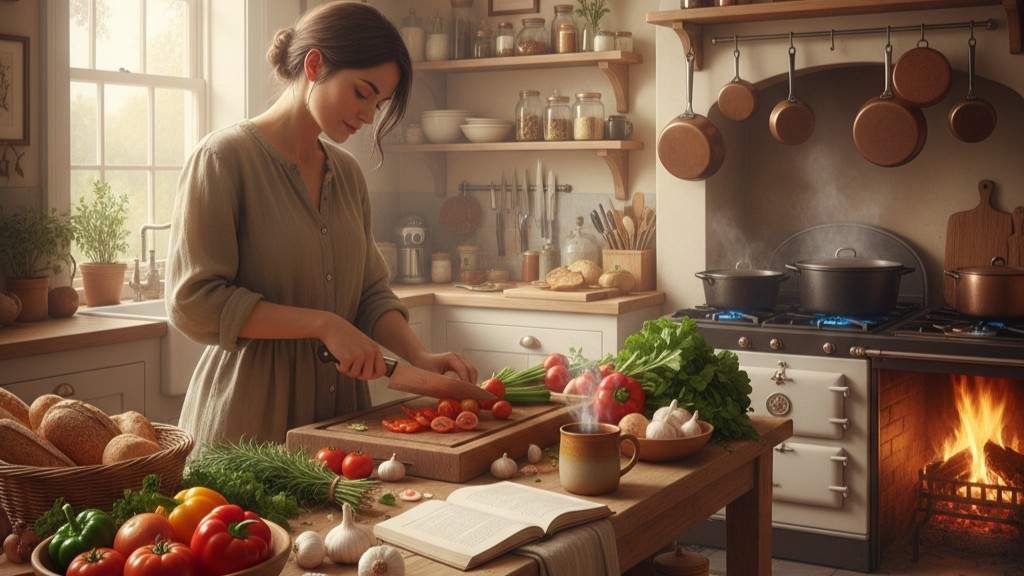
Have you ever found yourself running out the door, grabbing a coffee and a muffin, only to realize you’re starving an hour later? We’ve all been there, and honestly, it happens more often than we’d like to admit. But one thing I’ve learned over the years is that cooking at home offers so much more than just feeding yourself.
It’s about improving your health, saving money, and enjoying those precious moments in the kitchen. The benefits of home cooked food go beyond just the food itself; it’s about taking control of what you put into your body and into your life. Let’s dive in and explore why you should make home cooking a regular habit.
Why Is Cooking at Home Healthier Than Eating Out?
When you cook at home, you have full control over your ingredients. This means you can prioritize fresh, nutritious foods like leafy greens, whole grains, and lean proteins. Unlike takeout, where ingredients can be overly processed and full of hidden sugars, salts, and preservatives, home cooking lets you make healthier choices with every dish you prepare.
Better Ingredient Quality
Cooking at home gives you the power to select the freshest ingredients. You get to choose what goes into your meals, allowing you to opt for whole foods over processed ones. You can stock up on nutrient-dense veggies, fruits, nuts, and healthy oils that may not be found in a restaurant meal.
Reduced Additives
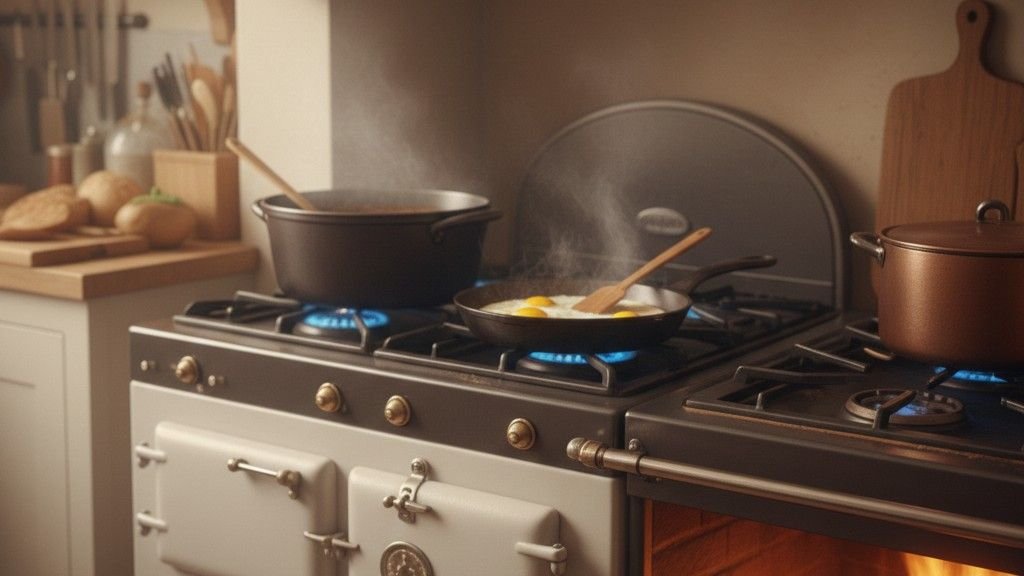
Restaurants often load up their dishes with excessive salt, sugar, and unhealthy fats to make them taste better and last longer. At home, you can control the amount of seasoning and opt for natural alternatives, making your meals much healthier without sacrificing flavor.
Portion Control
Home cooking also gives you complete control over portion sizes. Restaurant portions tend to be much larger than necessary, and we often end up overeating. With home cooking, you can serve exactly what you need, helping you maintain a healthy weight and avoid overeating.
How Does Home Cooking Save You Money?
While grabbing a meal from a restaurant or ordering takeout may feel convenient, it’s usually a lot more expensive than cooking at home. A typical restaurant meal can cost anywhere from $10–$20 per person, while the same meal prepared at home might only cost a fraction of that.
Cost Savings
Cooking at home is an investment that pays off in the long run. The ingredients you purchase can be used in multiple meals, letting you eat healthy on a budget. For example, a $10 rotisserie chicken can easily provide you with enough food for several meals. On top of that, when you cook in bulk, you save even more by using ingredients more efficiently.
Avoiding the Takeout Trap
Takeout and delivery can add up quickly. If you’re ordering out multiple times a week, you might be spending $50 or more. In contrast, preparing meals at home not only saves money but also gives you leftovers that can be enjoyed for lunch the next day, maximizing the value of your ingredients.
What Are the Mental and Social Benefits of Home Cooking?
Cooking at home is a rewarding experience that offers more than just physical nourishment. It’s also a way to nourish your soul and your relationships.
Therapeutic and Mindful Cooking

Cooking is one of the few activities that allows you to be fully present in the moment. The process of chopping, stirring, and seasoning can be incredibly therapeutic. It’s a chance to unwind and forget about the stresses of the day, as you focus on creating something nourishing. Plus, experimenting with new recipes can spark creativity, boosting your mood and mental well-being.
Strengthening Relationships
Cooking together fosters connection. Whether it’s making dinner with your partner, preparing a meal with your kids, or hosting a dinner party for friends, home cooking is an opportunity to bond with those around you. Shared meals bring people together and create lasting memories. Cooking at home can also help teach children about healthy eating habits, giving them the skills to make nutritious choices as they grow.
How to Start Cooking More at Home: A Simple Guide
Step 1: Start with Easy Recipes
If you’re new to cooking, start with simple recipes that don’t require a lot of time or ingredients. Think pasta, stir-fries, or one-pan meals. These dishes are easy to prepare and perfect for beginners. As you gain more confidence, you can challenge yourself with more complex recipes.
Step 2: Plan Your Meals
Meal planning is key to cooking more at home. Take a few minutes each week to plan your meals and make a shopping list. Knowing exactly what you’ll be cooking reduces the temptation to order takeout and ensures that you have everything you need on hand. It also helps you avoid buying unnecessary ingredients.
Step 3: Stock Your Kitchen with Essentials
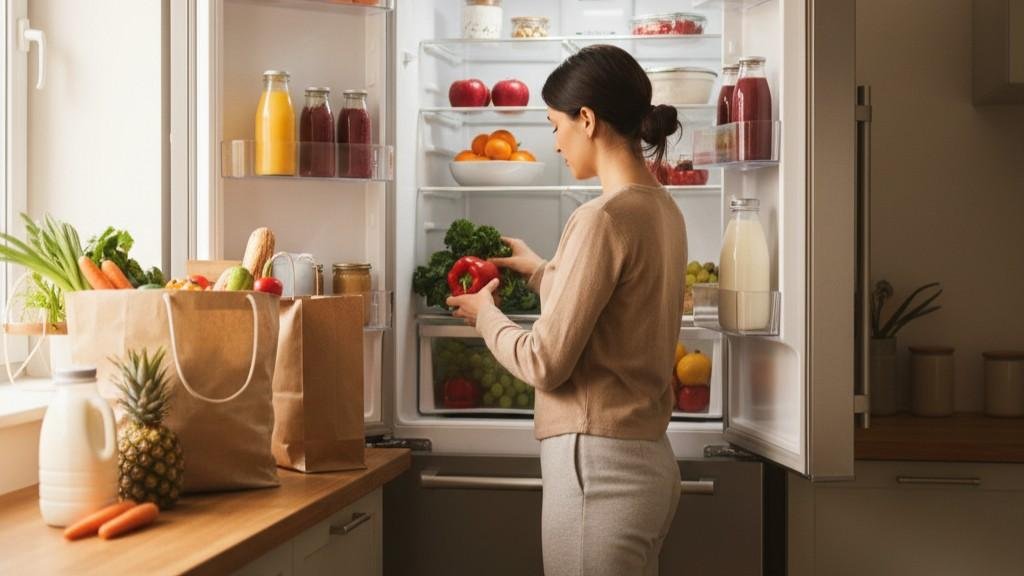
You don’t need a fancy kitchen to start cooking. A sharp knife, a few good-quality pans, and some basic utensils are all you need. Over time, you can add more specialized equipment as you become more experienced. A good kitchen doesn’t need to be filled with gadgets; it just needs the essentials to make your cooking fun and efficient.
Step 4: Get Creative with Leftovers
One of the best ways to make cooking at home more efficient and cost-effective is to get creative with leftovers. Repurpose them into new meals. For example, leftover chicken can be used in sandwiches, soups, or salads. This not only saves you time but also reduces food waste, which is both eco-friendly and budget-friendly.
Step 5: Enjoy the Process
Cooking at home should be fun, not stressful. Turn on some music, invite friends or family to join you, and enjoy the creative process. You don’t need to be perfect—what matters is that you’re enjoying yourself and making something healthy and delicious from scratch.
Frequently Asked Your Questions
1. How much time does it take to cook at home?
Cooking at home doesn’t have to take hours. Many meals can be prepared in under 30 minutes. Simple dishes like stir-fries, pasta, and salads are quick and easy to make. If you plan ahead and prep ingredients in advance, cooking can be even faster.
2. What are the most budget-friendly meals to cook at home?
Some of the most cost-effective meals include pasta dishes, rice and beans, and stir-fries. These meals are not only inexpensive but also highly nutritious. Purchasing ingredients like rice, beans, and pasta in bulk will also help save money in the long run.
3. Can I still cook at home if I don’t have a lot of cooking skills?
Absolutely! You don’t need to be a master chef to cook at home. Start with simple recipes that require few ingredients and minimal steps. As you practice, you’ll gain confidence and improve your skills. Cooking is a learning process, so don’t be afraid to make mistakes along the way.
4. How do I make cooking at home more enjoyable?
To make cooking more enjoyable, try experimenting with new recipes and flavors. It’s also helpful to involve family members or friends in the process. Cooking together can be a fun way to bond and create lasting memories. The more you enjoy the process, the more likely you’ll be to keep cooking at home.
The Power of Home Cooking
The benefits of home cooked food are undeniable. From better health to financial savings and stronger relationships, cooking at home offers a wealth of rewards. So, the next time you feel tempted to skip the kitchen and order takeout, remember all the good things that come with home cooking.
Not only will you be nourishing your body, but you’ll also be creating a sense of satisfaction and joy that fast food simply can’t offer. Make the time to cook at home, and your body—and your budget—will thank you.