
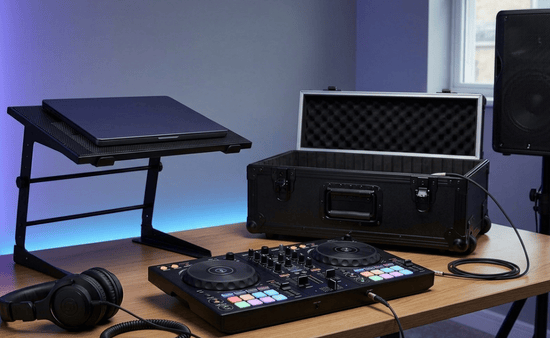
A new disc jockey faces a confusing wall of buttons, faders, and connection ports without any clear direction. Many aspiring artists waste hard-earned cash on flashy gadgets that never get used during real performances. Smart beginners focus on functional tools that build proper mixing habits from day one.
The right dj equipment creates a smooth learning curve rather than unnecessary frustration for fresh talent. A basic setup with four core components allows any novice to mix tracks within a single afternoon. This article reveals five essential purchases that separate serious learners from hobbyists who quit quickly.
1. A Two-Channel Controller Mixer Deck
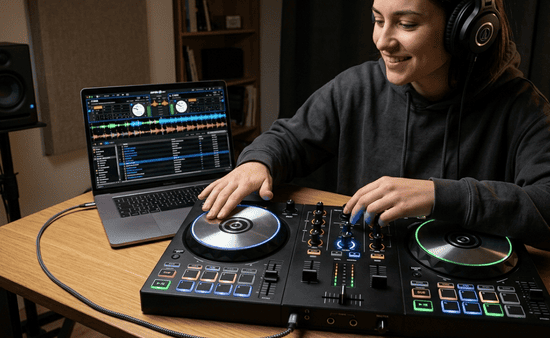
Every beginner needs a compact mixing surface that connects directly to a laptop without extra boxes. Two physical decks provide enough room for basic transitions between songs without overwhelming new operators. Large jog wheels give tactile feedback that mouse clicks simply cannot replicate for beat-matching practice.
Built-in sound cards eliminate the need for separate audio interfaces during the first year of learning. Dedicated filter knobs and audio equalization teach proper frequency separation through direct hand movements. A simple crossfader with adjustable curve settings allows smooth segues between tracks immediately.
2. Closed Back Wired Headphones Only
Sound isolation matters more than wireless convenience when a beginner stands near massive speaker stacks. Closed back cups prevent the booming room noise from bleeding into the cue mix unexpectedly. A single detachable cable protects the investment because that part breaks more than the drivers do.
Coiled cords stretch across a controller without tangling around faders during live transitions. Comfortable padding allows two-hour practice sessions without ear fatigue or headache development. Many novices buy cheap fashion headphones first and replace them within three months anyway.
3. Powered PA Speaker For Home Practice
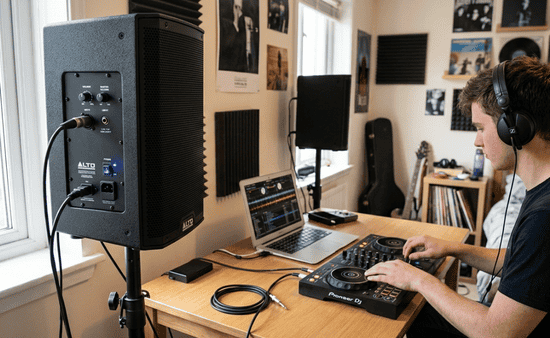
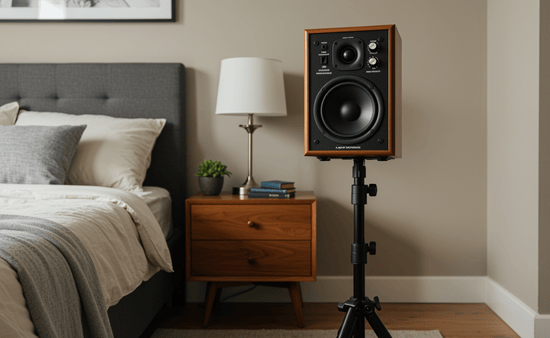
Small computer speakers cannot reproduce low-frequency kicks accurately, which hides timing mistakes completely. A single twelve-inch powered speaker fills a bedroom with honest sound that reveals every mixing error. This speaker should have a separate volume control for independent operation without a subwoofer nearby.
Placing the unit at ear level rather than on the floor changes how a beginner hears bass frequencies dramatically. A combination XLR and quarter-inch input accepts signals from controllers and older mixers alike. Lightweight cabinets under thirty pounds move from bedroom to car trunk without back strain or help.
4. Heavy Duty Folding Laptop Stand
A laptop placed flat on the same surface as a controller invites drink spills directly onto the keyboard. Raising the screen to eye level saves a beginner’s neck from chronic pain after long practice marathons. Rubber-coated clamps grip desk edges firmly without scratching expensive wood finishes underneath.
The stand should fold completely flat for storage inside a backpack or small gear bag. Mesh platforms allow airflow underneath hot laptops during four-hour practice sessions without overheating problems. Adjustable height settings accommodate seated home practice and standing club rehearsals easily.
5. Protective Travel Case With Wheels
A beginner’s first controller dies because someone drops it during a car ride to a friend’s house. Hard shell exteriors absorb shock from bumpy roads and careless luggage handlers at venues. Custom-cut foam interiors hold each device perfectly still without any internal movement during transport.
Wheels on one end turn a forty-pound kit into something a single person rolls effortlessly. Latches should include built-in lock holes for securing gear inside shared vehicles overnight. Water-resistant seals protect against sudden rain during parking lot walks between buildings. A good case costs less than one repair bill and lasts through several controller upgrades easily.
Smart beginners ignore flashy marketing and invest in durable, functional tools first. Quality dj equipment focuses on reliable sound reproduction and physical protection rather than extra effects. A new artist needs clear audio feedback, comfortable headphones, and safe transport above all other features. These five purchases form a foundation that grows with the learner for years without any regret.