
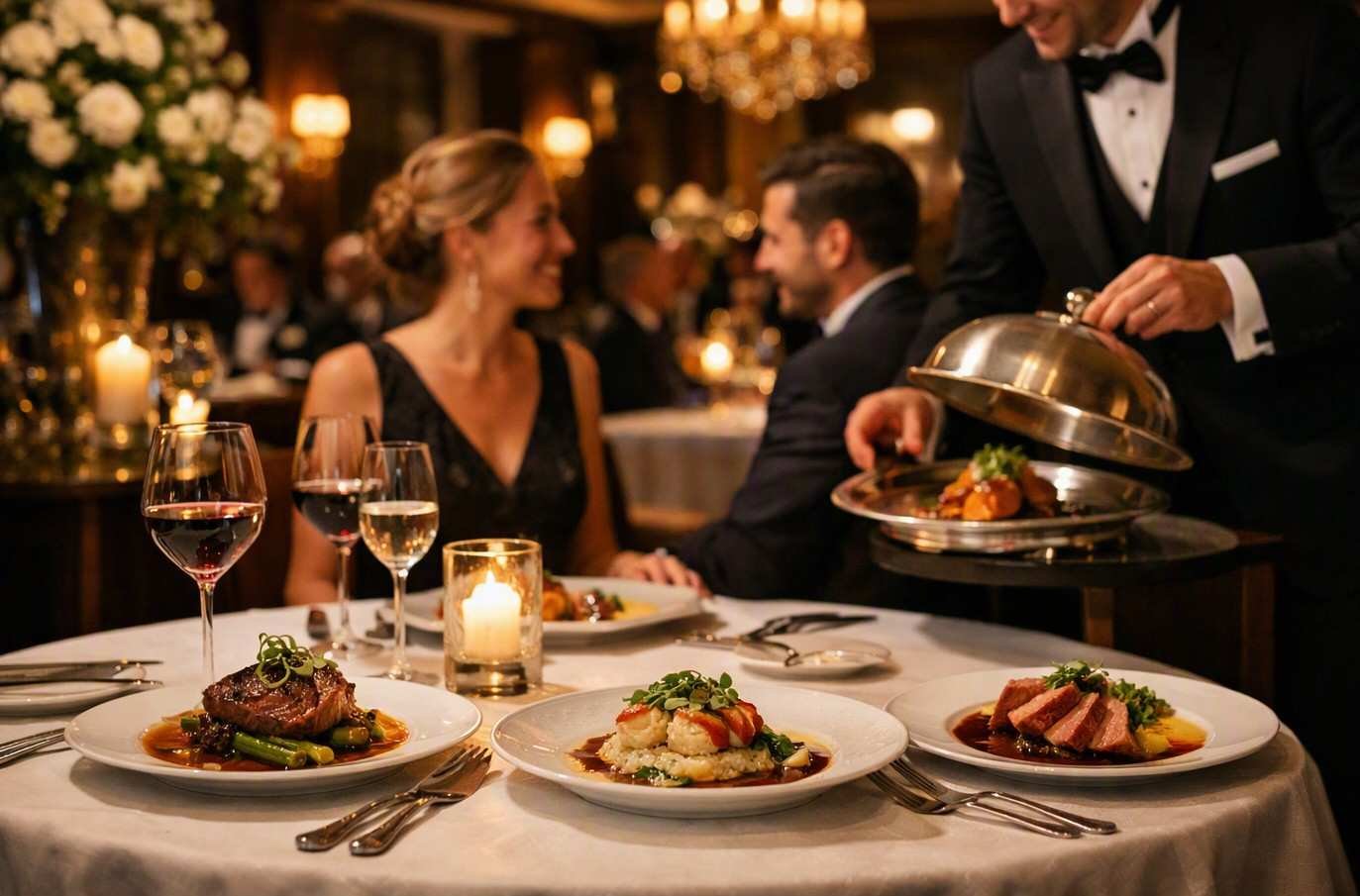
Fine dining is often misunderstood as a matter of price or presentation alone. In reality, the best restaurants succeed because they make three separate disciplines work together: the kitchen, the front of house, and the room itself. If any one of those elements is weaker than the others, the experience feels incomplete, no matter how good the food may be.
That balance matters especially in a market like fine dining, where guests are often looking for more than a meal. They want confidence, consistency, and a setting that feels special enough to justify the occasion. Libertango understands that expectation well, particularly for guests seeking fine dining in Sandy, Utah. As an Argentine fine dining concept with South American roots and an elegant identity, it shows how a restaurant can treat food, service, and atmosphere as parts of one carefully designed experience.
Why Fine Dining Works Only When Every Detail Supports the Same Promise
A strong fine dining restaurant does not ask guests to separate the plate from the room or the room from the service. It builds a single impression. That impression should feel intentional from the moment a guest arrives until the final dessert course.
This is where many restaurants lose momentum. A kitchen may execute beautifully, but if the pacing is awkward, the dining room feels stiff, or the atmosphere does not match the price point, the experience becomes fragmented. Guests may still remember one excellent dish, but they will not necessarily remember the evening as a whole.
The restaurants that stand out, including Libertango, understand that luxury is not excess for its own sake. It is coherence. The menu, the hospitality, and the environment should all reinforce the same message: this is a place where detail matters.
Food Sets the Standard, But It Cannot Carry the Entire Experience Alone
In fine dining, the menu is the first proof point. Guests expect ingredients handled with precision, flavors that feel deliberate, and dishes that are more composed than casual dining can usually support. But food is only the beginning.
A memorable steak, for example, becomes more meaningful when it is paired with the right sauce, the right wine, and the right pacing. Libertango’s Argentine identity makes that especially clear. Chimichurri sauce, grilled steak, and South American wine pairings are not just menu choices; they are signals of a culinary point of view. The kitchen is not trying to do everything. It is trying to do a specific style exceptionally well.
That distinction matters because guests can feel when a restaurant has taste without discipline. Fine dining earns trust when each plate seems to belong to the same story.
Service Is the Quiet Engine That Makes the Meal Feel Effortless
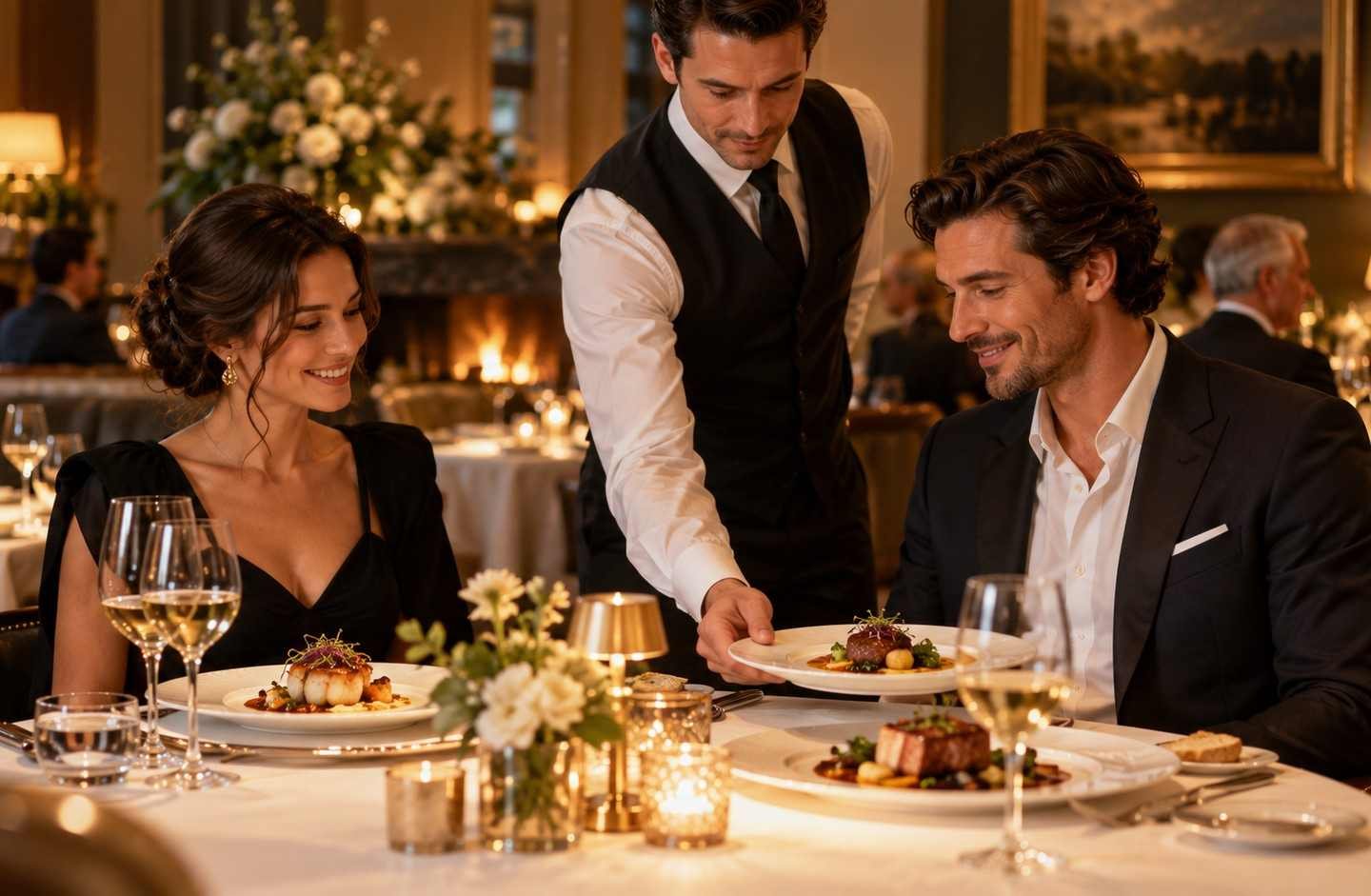
Great front-of-house service is often invisible to the guest in the best possible way. It removes friction. It anticipates needs without crowding the table. It keeps the evening moving at a pace that feels natural rather than rushed or slow.
In practice, this means the staff has to do more than recite the menu. They need judgment. They need to know when to explain a cut of meat, when to suggest a wine, when to step back, and when to re-engage. That kind of responsiveness creates confidence, especially for guests celebrating an occasion or hosting someone important.
Libertango’s approach is strategic because it treats front-of-house service as part of the product, not a separate layer added afterward. In a fine dining setting, service is not just hospitality. It is part of the restaurant’s quality control.
What Strong Service Actually Looks Like
Good service is often described in broad terms, but the useful details matter more. Guests usually notice the following:
- Timing that feels natural between courses
- Clear explanations without overtalking
- Recommendations that fit the table’s preferences
- Attention to refills, clears, and pacing
- Confidence without stiffness
- Warmth without familiarity that feels forced
When these pieces work together, the guest stops managing the experience and starts enjoying it. That is a major difference between ordinary dining and true fine dining.
It also creates a more premium perception of the food itself. A well-timed explanation of a wine pairing can make a steak course feel more layered. A polished presentation of dessert can make the final impression stronger than the menu alone would suggest.
Atmosphere Is Not Decoration; It Is Part of the Meal
Atmosphere is frequently reduced to lighting, music, and décor. Those details matter, but only because they shape how people receive the food and service. In a fine dining restaurant, atmosphere influences pace, attention, and even appetite.
A room that feels too loud can flatten conversation. A room that feels too bare can make the experience feel unfinished. A room that is too theatrical can distract from the food entirely. The best settings strike a careful middle ground. They create a sense of occasion without competing with the plate.
Libertango leans into atmosphere as an extension of its Argentine and tango-inspired identity. That gives the dining room a point of view rather than a generic upscale aesthetic. The result is not just a nice room. It is a room with narrative weight, where the experience feels shaped by culture as much as by design.
The Best Atmospheres Make the Guest Feel Oriented
Guests should know, almost immediately, what kind of evening they are having. Is this a quiet dinner for two? A celebratory meal with multiple courses? A refined lunch that still feels elevated? Atmosphere helps answer that before the first bite.
That is why the strongest restaurants use environment with restraint. They do not flood the room with visual noise. Instead, they use a few disciplined signals to guide the mood. Libertango does this by pairing elegant presentation with a distinct cultural identity. The atmosphere tells guests that the meal is meant to be savored, not rushed.
For restaurants, this is not just an artistic choice. It is a strategic one. A well-designed atmosphere supports longer dwell time, better guest satisfaction, and stronger word-of-mouth because the evening feels memorable beyond the menu.
The Real Skill Is Coordination, Not Individual Excellence
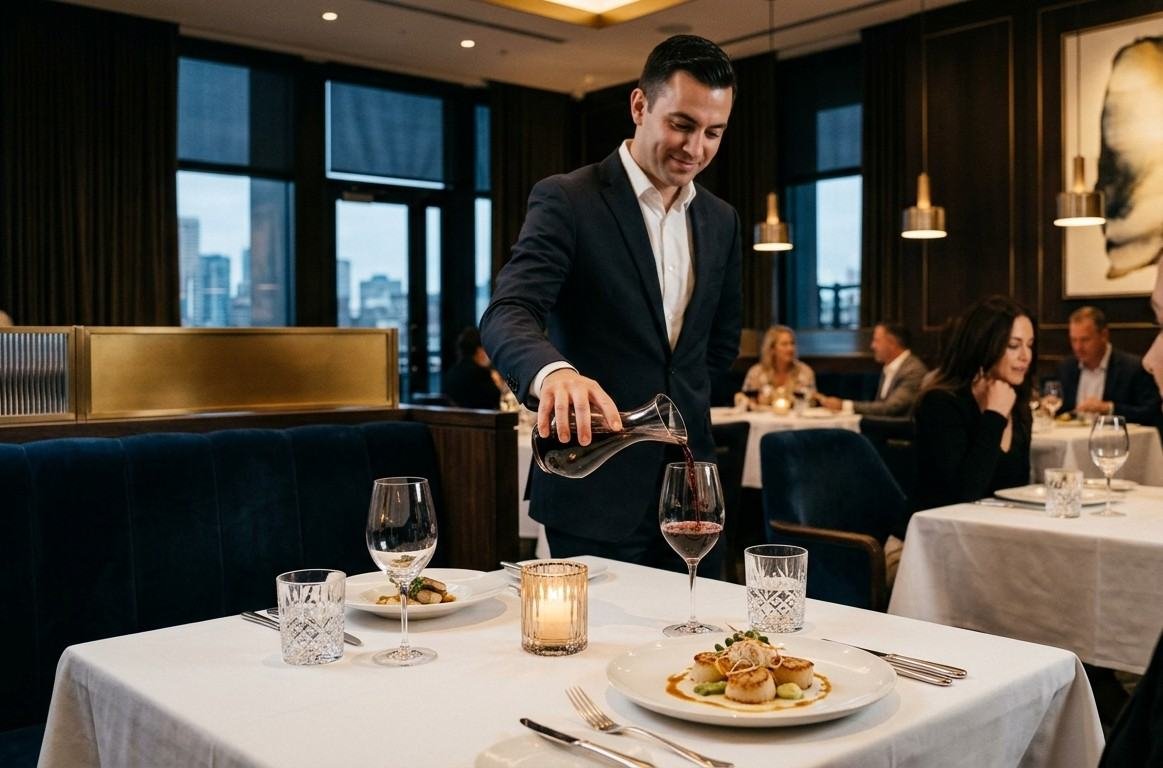
A restaurant can have excellent steaks, polished servers, and beautiful décor and still fall short if those strengths are not coordinated. Coordination is what turns quality into an experience.
Consider a common scenario. A guest orders a grilled steak with chimichurri sauce and a South American wine pairing. If the kitchen sends the course at the wrong time, the service feels disjointed. If the server cannot explain the pairing, the wine loses value. If the room is too chaotic, the dish feels less special. None of those problems are fatal on their own, but together they weaken the entire impression.
Strong operators understand that every department shapes the same outcome. They train toward consistency, not just performance. They think about how the first course affects the second, how the wine supports the meat, and how the room affects the guest’s attention.
That is where Libertango stands out as a premium concept. Its strength is not that it offers food, service, and atmosphere separately. Its strength is that those elements support one another.
What Guests Remember After the Reservation Ends
People rarely remember a fine dining meal as a checklist of technical details. They remember how they felt inside the experience. Did the evening feel calm or chaotic? Did the food justify the occasion? Did the staff make the night feel effortless? Did the room contribute something meaningful, or just provide seating?
Those questions determine whether a restaurant earns repeat visits and referrals. In a competitive market, the restaurants that last are the ones that understand memory as the final course. The meal is over long before the impression is gone.
For guests exploring Libertango, that balance is part of the appeal. The restaurant’s Argentine cuisine, polished service, and tango-inspired setting show how a fine dining concept can be more than the sum of its parts. It can feel coherent, distinctive, and worth remembering.
Fine Dining Lasts When the Experience Feels Intentional
The best fine dining restaurants do not win by being the loudest or the most elaborate. They win by being disciplined. Food must be excellent, but it also has to fit the mood. Service must be attentive, but it also has to feel natural. Atmosphere must be elegant, but it also has to support the meal rather than overshadow it. Even thoughtful design choices, such as using natural light, can help create a more refined and comfortable dining environment.
That is the standard guests increasingly expect, especially in fine dining destinations. Restaurants that meet it understand that success comes from alignment, not isolated strengths. Libertango demonstrates that principle well: a restaurant becomes truly premium when every detail is designed to reinforce the same promise from the first pour to the final bite.