
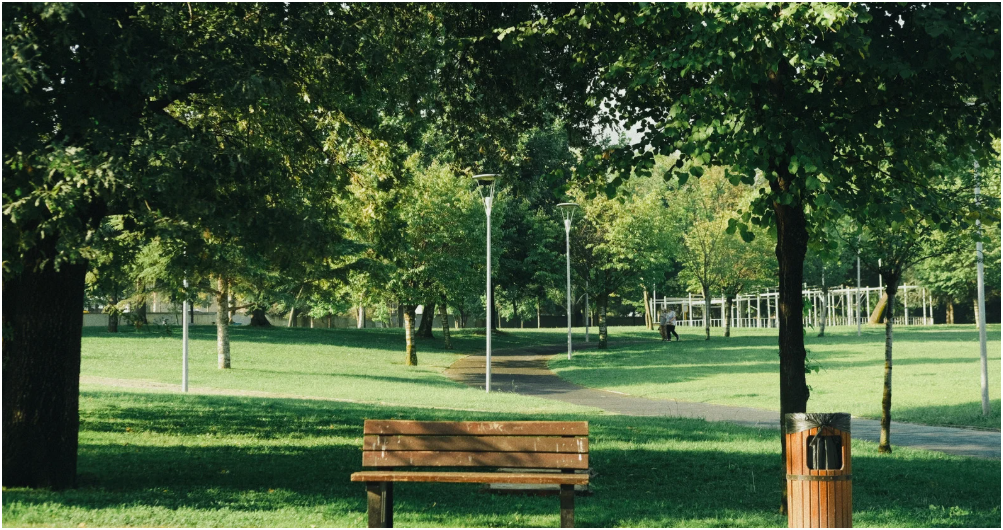
Think about the last time you visited a vibrant local park. Children were laughing on the playground, neighbors were chatting near the pavilions, and runners were making use of the paved trails. Local parks serve as the green lungs and social hubs of our neighborhoods.
However, a park with nothing more than a patch of overgrown grass and a rusty swing set rarely gets used. When municipalities, neighborhood associations, or developers invest in upgrading these public spaces, residents notice immediately.
Thoughtful park renovations do more than just improve aesthetics. They foster civic pride, promote physical health, and can even increase nearby property values.
If you are a community planner, HOA board member, or an engaged citizen looking to advocate for your neighborhood, here are the five park improvements that residents appreciate the most.
1. Multi-Sport Courts (Especially for Pickleball)
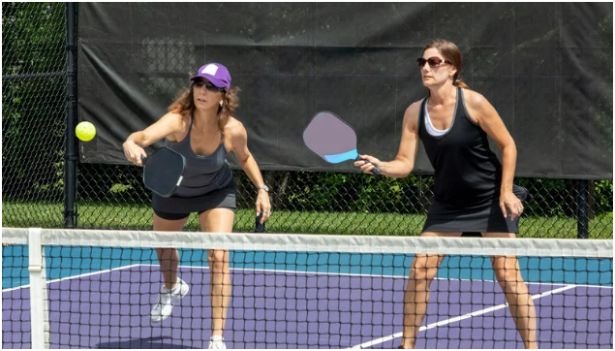
What do residents love about sports courts? Sports courts provide dedicated, high-energy spaces for neighbors to gather, exercise, and engage in friendly competition without needing an expensive gym membership.
While basketball and tennis courts remain staple features of successful parks, the explosive growth of racquet sports has fundamentally changed community park design trends. Specifically, the demand for dedicated pickleball courts has reached an all-time high across all age demographics.
Building or converting existing underutilized concrete spaces into multi-sport hubs is a surefire way to increase park traffic. However, the success of these courts depends heavily on construction quality. A court covered in cracks or uneven paint quickly becomes a safety hazard and an eyesore. For public projects aiming to withstand heavy seasonal foot traffic and harsh weather, investing in professional pickleball court surfacing in Utah ensures a durable, high-traction finish that keeps residents playing safely for years.
2. Inclusive and Multi-Generational Playgrounds
What makes a modern playground successful? A successful playground uses inclusive design principles so that children of all physical abilities can play together, while providing comfortable viewing areas for parents and grandparents.
The days of generic plastic slides and woodchip surfaces are fading. Modern communities heavily appreciate playgrounds that feature accessible playground equipment, such as wheelchair-accessible merry-go-rounds, sensory play panels, and poured-in-place rubber surfacing. Poured rubber is highly durable and allows strollers, wheelchairs, and walkers to navigate the play zone effortlessly.
Additionally, multi-generational design means adding fitness equipment for adults or shaded benches right next to the play area. When parents and guardians have a comfortable, shaded place to sit with a clear line of sight, families stay at the park significantly longer.
3. Dedicated, Fenced Dog Parks
Why are dog parks a priority for residents? Dog parks give pet owners a safe, contained environment to exercise their dogs off-leash, keeping residential sidewalks cleaner and reducing off-leash conflicts in other areas of the park.
As pet ownership continues to rise, a park without a designated pet area often faces challenges with off-leash dogs ruining sports fields or disrupting picnics. A well-designed dog park solves this problem completely.
The best dog parks feature separate fenced enclosures for large and small dogs, double-gated entry systems to prevent escapes, and built-in agility obstacles. Adding a canine water fountain and waste disposal stations keeps the area clean and reduces odor, making it a highly appreciated asset for both pet owners and non-owners alike.
4. Extended Walking Trails and Better Lighting
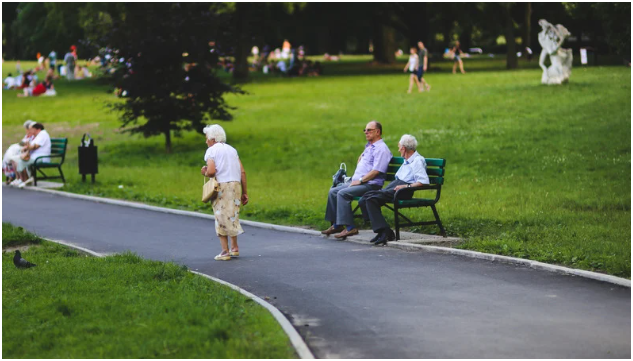
How do trails improve a park’s usability? Expanding loop trails and adding smart lighting increases the usable hours of a park, making it accessible to early-morning runners and evening walkers.
Paved or well-maintained gravel loops are consistently ranked among the most-used features in public recreational facilities. Residents use trails for everything from teaching a child to ride a bike to getting their daily steps in after work.
Upgrading these trails involves creating loops of varying distances and installing solar-powered LED lighting. Proper illumination transforms a park from a space that feels intimidating after sunset into a safe, welcoming environment for evening exercise. These essential upgrades are important for the buyer’s checklist for peace of mind if they are planning to invest in buying a home in a peaceful neighborhood.
5. Shaded Pavilions and Group Picnic Areas
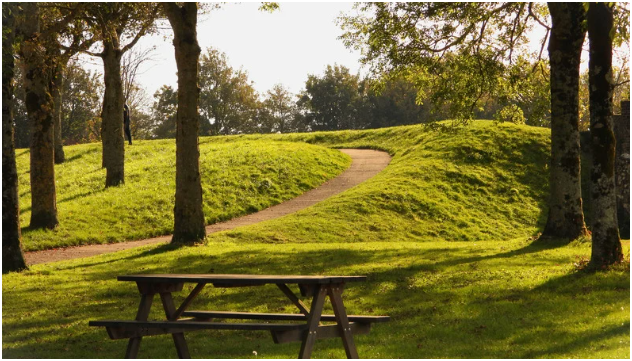
Why do community members utilize park pavilions? Pavilions provide weather-protected rental spaces for birthday parties, family reunions, and community markets, transforming a park into a true event venue.
Without shade, public parks become virtually unusable during hot summer afternoons. Installing high-quality pavilions, shade sails over picnic tables, a sports area, and permanent charcoal grills allows residents to host gatherings outdoors comfortably.
Providing these gathering spaces strengthens neighborhood bonds and makes a community sport so popular. When people have a free or low-cost venue to celebrate life events within their own community, their emotional attachment to their local neighborhood grows.
Common Mistakes to Avoid in Park Renovations
When planning park upgrades, well-meaning committees often fall into predictable traps that waste taxpayer or HOA dollars:
- The “Build It and Forget It” Mentality: Installing complex features without a clear long-term maintenance budget. If you cannot afford to maintain a splash pad or an advanced landscape feature, it will quickly fall into disrepair.
- Ignoring Shade and Water: Placing a beautiful new playground in the direct sun without trees or canvas sails. If the metal or plastic surfaces get hot enough to burn a child’s skin, the playground will sit empty all summer.
- Failing to Gather Resident Input: Guessing what the community wants instead of asking them. A survey can prevent you from building a skatepark when the neighborhood actually desperately needs walking paths or sports courts.
Frequently Asked Questions About Park Upgrades
1. How do park improvements affect local crime and safety?
Research consistently shows that clean, well-lit, and active parks experience significantly lower rates of vandalism and crime. This phenomenon, often called the “eyes on the street” effect, occurs because high legitimate foot traffic naturally deters illicit activity.
2. How can small communities fund these upgrades on a tight budget?
Many communities fund improvements through a combination of state municipal grants, corporate sponsorships (such as a local business funding a playground structure), and matching funds from community fundraising initiatives.
Conclusion
The most successful park improvements are those that remove barriers to entry and bring people together. Whether it is installing a state-of-the-art multi-sport court, building a playground that welcomes every child, or simply lighting a walking path for safety, these investments pay massive dividends in community well-being. When a city or neighborhood prioritizes its parks, it sends a clear message to its residents: this is a place worth living in.