
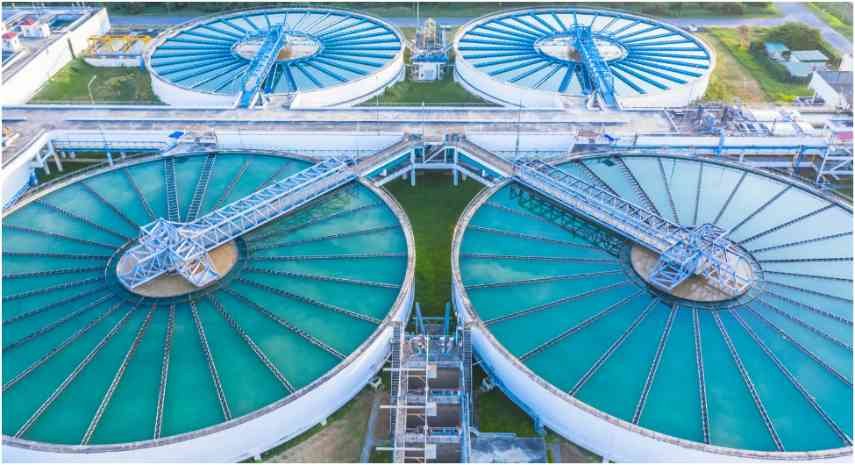
Water treatment remains a critical focus for maintaining public health, preserving the environment, and supporting industrial processes worldwide. As urban populations grow and natural water sources face increased contamination, advancements in water treatment technology are essential to meet the rising demand for clean and safe water. This article explores recent innovations and the emerging solutions in the field of water treatment technology that are shaping the future of water management.
Understanding the Challenges in Water Treatment
Water treatment comprises various processes designed to remove contaminants and harmful substances to make water suitable for consumption, industrial use, or environmental discharge. Challenges persist due to the diversity of pollutants, which include chemical contaminants, biological pathogens, and physical impurities such as sediments. Additionally, the quality of source water varies significantly based on geographic and industrial factors, necessitating adaptable solutions.
The pressing need for efficient and sustainable water treatment technologies stems from factors such as population growth, increasing industrial effluents, climate change impacts, and water scarcity in many regions. These challenges drive continuous research and development toward innovative techniques capable of addressing complex water quality issues.
Membrane Filtration Technologies
Membrane filtration technologies have gained widespread adoption due to their ability to provide effective separation of contaminants at the molecular level. This category includes microfiltration, ultrafiltration, nanofiltration, and reverse osmosis membranes. These processes are particularly useful in removing suspended solids, bacteria, viruses, and dissolved salts.
Advances in membrane materials have improved durability, permeability, and fouling resistance, thereby extending membrane life and reducing operating costs. For instance, the integration of novel polymer composites and surface modifications has enhanced membrane selectivity and eased maintenance requirements.
Advanced Oxidation Processes (AOPs)
Advanced Oxidation Processes represent a group of chemical treatment procedures designed to degrade persistent organic pollutants through the generation of highly reactive radicals, such as hydroxyl radicals. These processes include ozone treatment, photocatalysis, and Fenton’s reaction, among others.
AOPs are particularly effective in breaking down complex contaminants like pharmaceuticals, pesticides, and industrial chemicals that conventional biological treatment methods cannot reliably remove. With continued research, AOP technologies are being optimised to become more energy-efficient and cost-effective, making them practical for larger-scale applications.
Biological Treatment Innovations
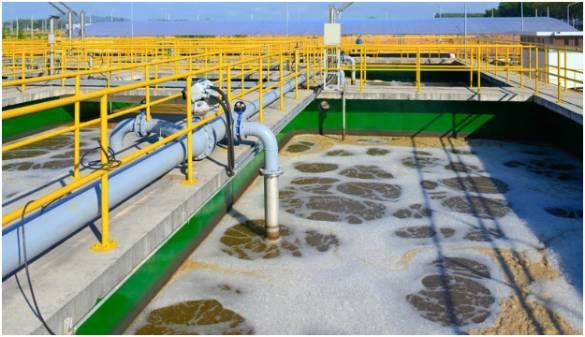
Biological treatment utilises microorganisms to biologically degrade pollutants and organic materials in wastewater. Recent innovations focus on enhancing microorganism strains and optimising process conditions to accelerate treatment efficiency.
Sequencing batch reactors (SBRs), membrane bioreactors (MBRs), and biofilm reactors are examples of advanced biological treatment technologies. These solutions support higher treatment capacity with smaller system footprints and better compliance with stringent discharge standards.
Resource Recovery Solutions
Modern water treatment technology increasingly emphasises recovering valuable resources from wastewater streams. Nutrient recovery, particularly nitrogen and phosphorus, is gaining attention as these elements can be repurposed as fertilisers.
Energy recovery from sludge through anaerobic digestion and biogas capture also contributes to the sustainability of water treatment plants by reducing reliance on external energy sources and minimising waste disposal concerns.
Smart Monitoring and Automation
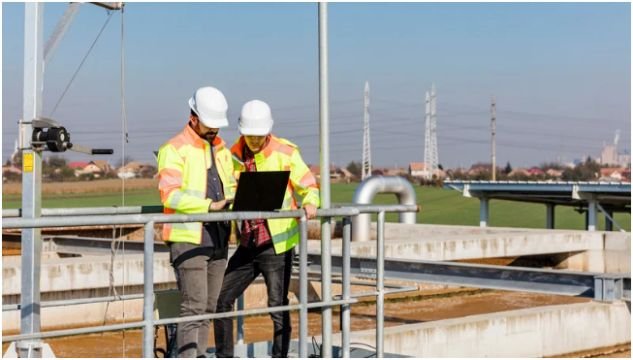
Digital technologies and automation play an ever-growing role in optimising water treatment operations. Sensors, advanced analytics, and real-time monitoring enable plant operators to closely track water quality parameters, detect anomalies, and respond rapidly to process variations.
The integration of artificial intelligence (AI) and machine learning algorithms facilitates predictive maintenance and process optimisation, thereby reducing operational costs and improving reliability. The integration of artificial intelligence is the future of digital assistants in every sector.
Decentralised Water Treatment Systems
Decentralised treatment systems treat wastewater and stormwater locally near the point of generation rather than relying solely on large centralised plants. This approach reduces infrastructure costs, lowers transmission losses, and enhances water recycling potential.
Innovations in compact treatment units suitable for residential, commercial, and industrial applications are enabling broader adoption of decentralised water treatment. These systems can be tailored to specific water quality requirements, promoting flexible and resilient water management strategies.
Green Water Treatment Technologies
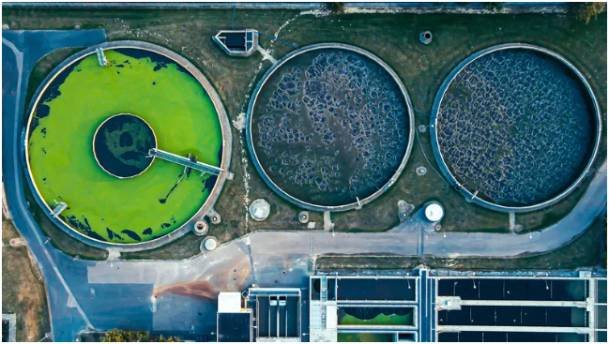
Environmental sustainability considerations have led to the development of green water treatment technologies that minimise chemical usage and energy consumption. Constructed wetlands, phytoremediation, and biochar filtration are examples of nature-based or bio-inspired treatment methods.
Such systems harness natural processes to remove pollutants while providing additional benefits such as habitat creation, carbon sequestration, and landscape integration.
Desalination Innovations
With freshwater scarcity increasing globally, desalination of seawater and brackish water is a growing component of water supply strategies. Traditional desalination methods, primarily reverse osmosis, demand significant energy input.
Innovative approaches, including forward osmosis, solar-powered desalination, and electrochemical desalination, are under development to reduce energy consumption and operational costs. These emerging technologies have the potential to make desalination more economically feasible and environmentally sustainable.
Challenges to Implementation
Despite the promising innovations, several barriers hinder the widespread implementation of advanced water treatment technologies. High capital and operational costs, technical complexity, and the need for skilled personnel are common challenges, whether the hard skills vs soft skills are required in this process.
In addition, regulatory frameworks and public perception can influence the adoption of new treatment solutions. Ensuring that innovative technologies meet safety and environmental standards requires rigorous testing and certification.
The Role of Industry Partnerships
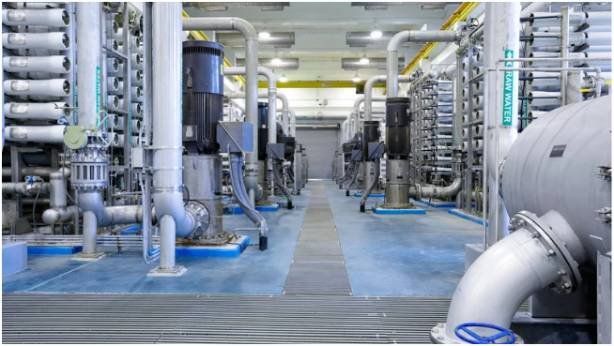
Collaboration between technology providers, research institutions, governmental agencies, and end-users is essential for advancing the state of water treatment. Such partnerships facilitate knowledge transfer, pilot-scale demonstrations, and scaling of effective solutions.
Companies specialising in water treatment technology offer comprehensive services spanning design, installation, and maintenance. Utilising expertise from such providers supports the deployment of cutting-edge treatment systems tailored to specific operational needs.
The Future of Water Treatment Technology
Looking ahead, the drive towards sustainable, cost-efficient, and adaptive water treatment technologies will intensify. Integrating multidisciplinary approaches, from material science to digital technologies, will be key to overcoming existing limitations.
Continued investment in research and development, supported by strong policy frameworks, will accelerate innovation and facilitate the provision of clean water to populations worldwide.
Conclusion
Innovations and solutions in water treatment technology are critical to addressing the complex challenges of water quality and availability. Advances in membrane filtration, advanced oxidation, biological processes, resource recovery, and digital automation exemplify the multifaceted nature of current developments.
By leveraging technological progress and fostering collaboration among stakeholders, it is possible to create more efficient, resilient, and sustainable water treatment systems. For those seeking expert consultation or solutions tailored to their specific needs, engaging with professional water treatment service providers is advisable to ensure optimal outcomes in water management projects.