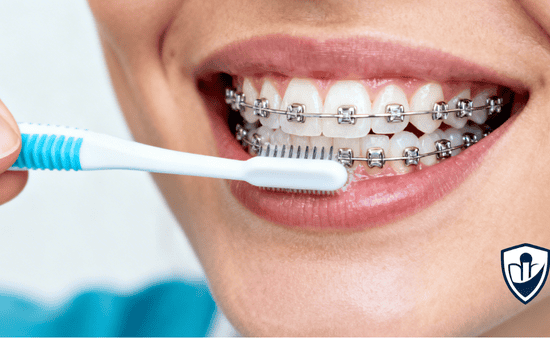

Choosing between clear aligners and metal braces requires a clear understanding of how each option supports specific alignment needs and daily habits. Both treatments in South Riding correct spacing and bite concerns, but the way they function and fit into everyday life differs. Focusing on practical details helps narrow down the most suitable option without confusion.
Many individuals begin the decision process by consulting a South Riding orthodontist who can assess tooth movement requirements and overall oral health. This evaluation ensures that the selected treatment method matches the complexity of the case and supports steady progress from the start.
Understanding Daily Wear And Maintenance
Clear Aligners Routine

Clear aligners are designed to be worn for most of the day, with short breaks during meals and oral care. Each set is replaced at specific intervals to guide teeth into position gradually. Proper handling and consistent use are essential for maintaining progress.
- Aligners must be worn for the recommended hours daily
- Trays should be cleaned regularly to maintain hygiene
- Removal is required during eating and drinking
- Timely switching to new sets supports continuous movement
Metal Braces Care
Metal braces stay fixed on the teeth and work through a system of brackets and wires. This structure applies steady pressure without relying on daily removal or reinsertion. Maintenance focuses on keeping the appliance clean and intact.
- Brushing and flossing require careful attention around brackets
- Certain foods should be avoided to prevent damage
- Routine adjustments help maintain alignment progress
- Fixed placement ensures uninterrupted treatment activity
Evaluating Lifestyle And Comfort Factors
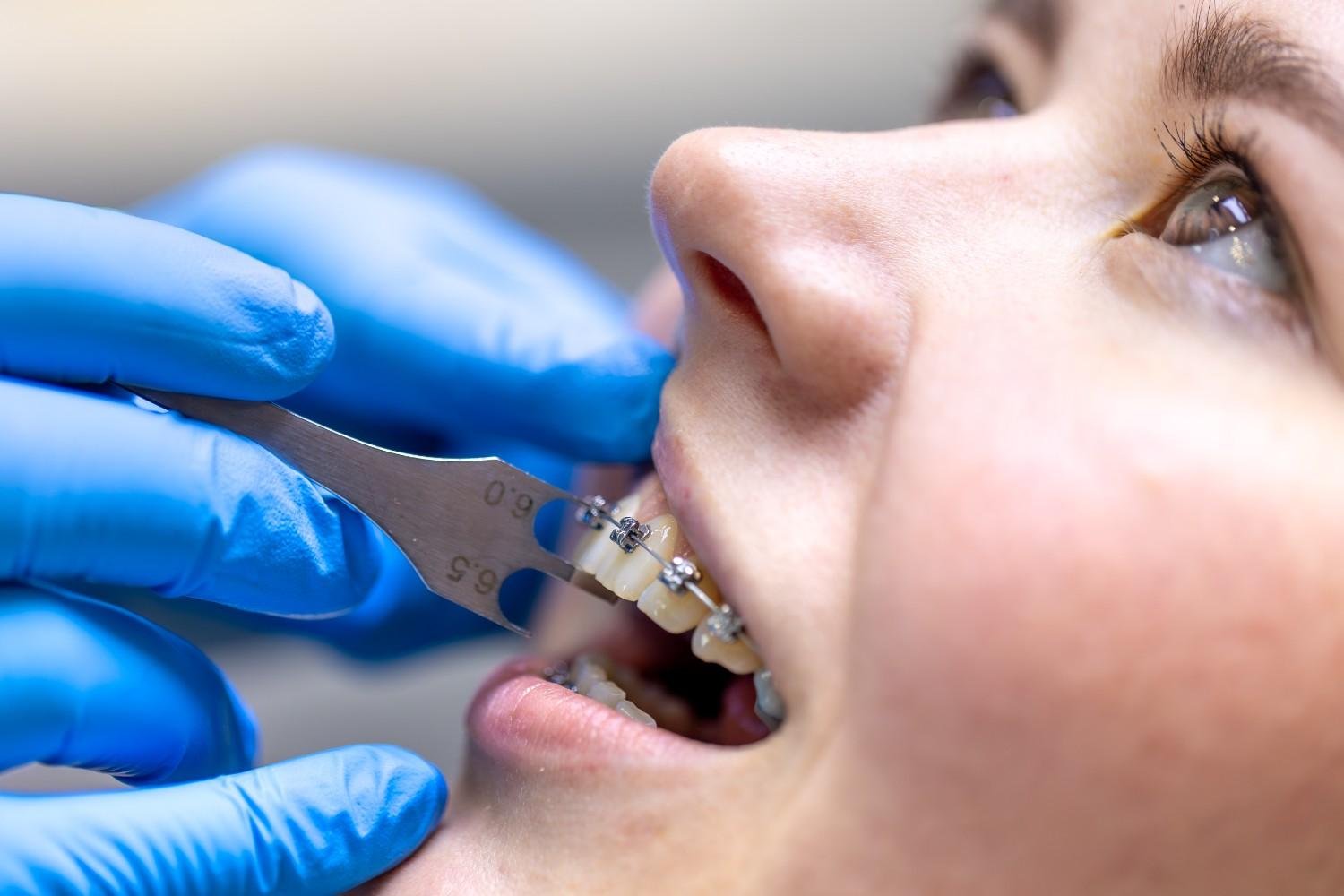
Daily routines play a key role when selecting between these options. Clear aligners offer flexibility during meals and allow easier access for cleaning, while metal braces provide a consistent setup that does not depend on daily handling. Each option requires responsibility, but the type of effort varies.
A south riding orthodontist sometimes considers how well a patient can follow instructions, manage oral hygiene, and adapt to treatment requirements. These factors help determine which option fits more smoothly into daily life without affecting progress.
Assessing Treatment Commitment And Monitoring
Consistency And Follow-Through
Both treatments require attention to instructions and regular monitoring. Aligners depend on disciplined wear time, while braces rely on proper care and scheduled visits for adjustments.
- Skipping aligner wear can slow down progress
- Inadequate cleaning may affect the braces’ performance
- Regular check-ups track alignment changes
- Following guidelines helps maintain treatment flow
Long-Term Stability Considerations
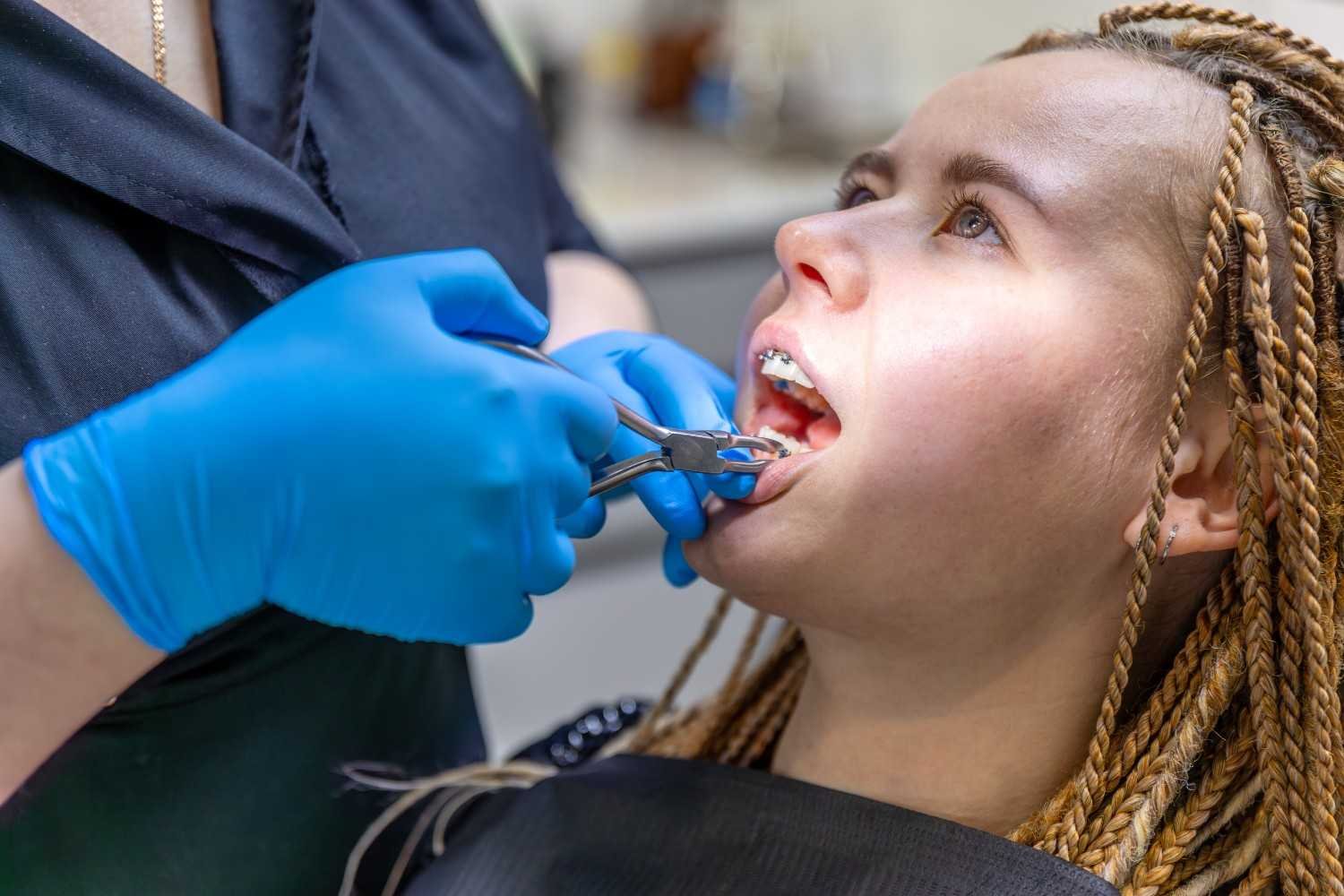
After alignment is complete, maintaining results becomes the priority. Retainers are commonly used to keep teeth in their new positions and prevent shifting over time.
- Retainers support long-term alignment stability
- Follow-up visits help monitor results
- Consistent care reduces the risk of relapse
- Good oral hygiene supports lasting outcomes
Finding Reliable Orthodontic Experts For Aligners And Braces
Reliable orthodontic experts focus on detailed assessments, clear treatment timelines, and consistent monitoring. A well-defined approach helps ensure that each step of the process is handled with precision. Ongoing supervision supports proper appliance function and alignment tracking. This reduces the likelihood of delays and helps maintain consistent treatment progress.
Selecting between clear aligners and metal braces in South Riding depends on how well each option fits treatment needs and daily habits. Careful evaluation of maintenance, lifestyle impact, and commitment level helps ensure a smooth orthodontic experience and reliable results.