
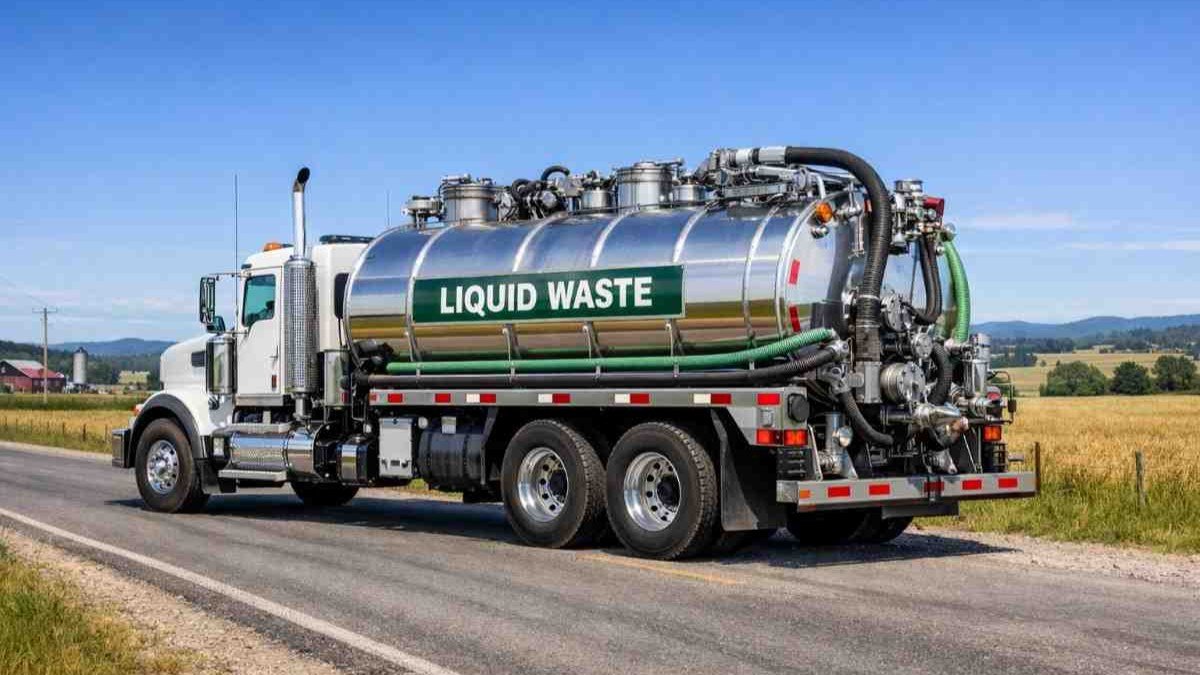
A standard factory vacuum truck fails to match the specific demands of a particular waste hauling job. Off-the-shelf models waste precious minutes on each stop with poorly placed hoses or undersized tanks. Fleet managers lose thousands of dollars annually from inefficiencies that a modified design could easily fix. This article reveals five ways that purpose-built designs outperform generic alternatives in real-world conditions.
Tank Capacity Matches Route Demands
A waste hauling route with many tight spaces needs a smaller tank for better maneuverability. For instance, Keevac’s custom vacuum trucks & liquick waste vehicle builds address this challenge through precise engineering for each unique application. Long-distance rural runs benefit from maximum gallon capacity to reduce empty return trips.
An undersized reservoir forces extra trips to the disposal site, burning fuel and labor hours needlessly. An oversized tank adds dead weight that strains the chassis and consumes more diesel per mile. Engineers calculate the optimal volume based on average stop density and travel distance between dumps.
Hose Placement Saves Minutes Per Stop
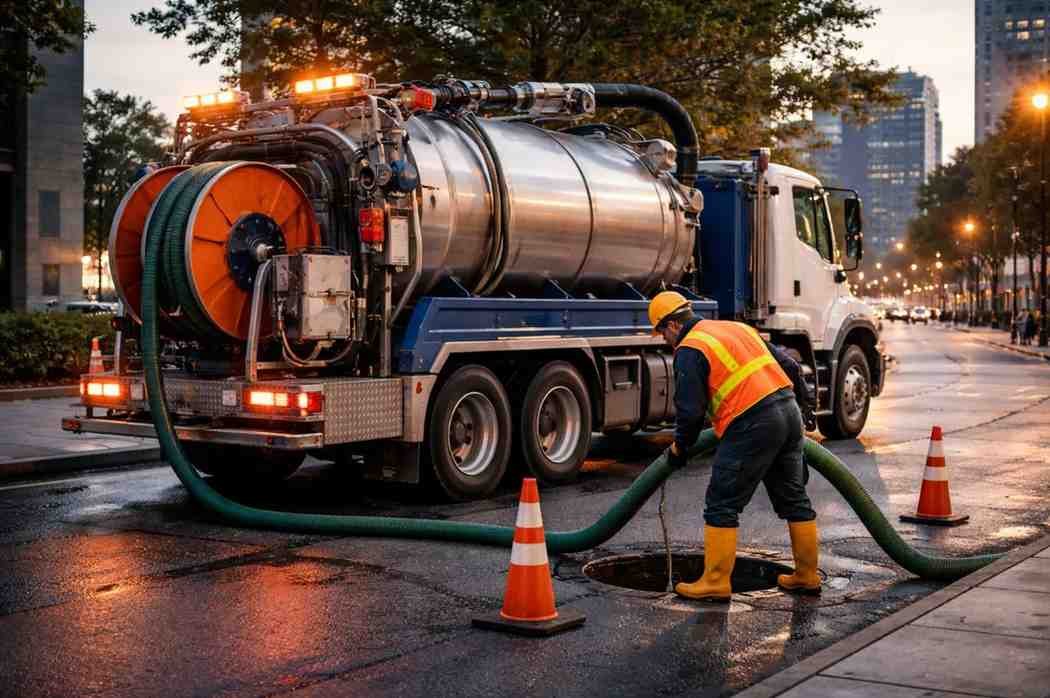
A vacuum hose stored on the wrong side of the truck forces an operator to stretch lines across busy streets. Poorly positioned reels add twenty extra seconds to each connection and disconnection procedure. Over a hundred daily stops, those small delays accumulate into hours of lost productivity every week.
A custom layout places the hose reel directly opposite the most common parking position for each site. Experienced operators know that a three-foot reduction in hose pull distance saves real money annually. Proper reel height also reduces back strain, keeping drivers healthier and more productive over time.
Pump Size Matches Material Type
Thick sludge requires a powerful positive displacement pump with strong suction capability for proper removal. Thin liquid waste moves efficiently through a less expensive centrifugal pump design without problems. A mismatched pump struggles against heavy material or blows seals from excessive pressure buildup.
Engineers select the exact pump technology based on a thorough analysis of the target waste stream. A custom build also includes appropriate pressure relief valves and filtration for that specific material type. The right pump choice also reduces fuel consumption since the engine works at optimal load consistently.
Controls Within Driver Reach
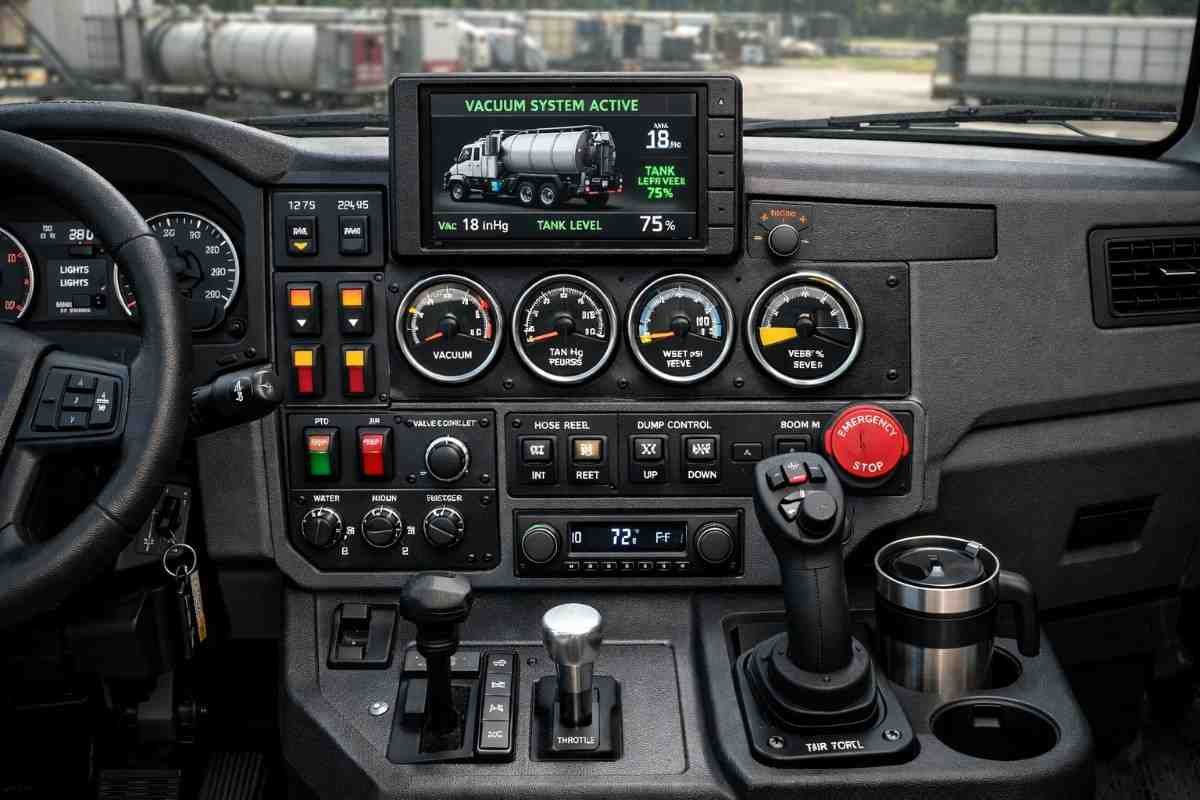
A poorly designed control panel forces an operator to walk around the truck multiple times per stop. Buttons placed too high or low create awkward reaching positions that slow down every single action. A custom cab layout positions all pneumatic levers and gauges within easy sight lines of the work area.
Engineers interview veteran drivers to learn which controls get used most frequently during a normal shift. High-use functions sit at fingertip level while rarely touched items move to secondary locations completely. This makes quick tasks like change car battery or system checks faster and more efficient. A logical control sequence reduces training time for new hires who join the fleet each season.
Weight Distribution Prevents DOT Fines
A loaded vacuum truck that exceeds axle weight limits faces expensive fines and forced unloading delays. Standard builds ignore weight bias, placing too much mass over the front or rear tires. Custom engineering calculates the precise location of the tank, pump, and hose reel for balanced loads.
Proper distribution keeps each axle within legal limits even when the reservoir reaches full capacity. This careful design also improves tire wear and brake life across the entire vehicle fleet. For instance, Keevac’s custom vacuum trucks & liquick waste vehicle builds achieve this balance through precise engineering that standard manufacturers never attempt.
Operational efficiency in waste hauling depends on matching each vehicle to its specific daily duties. Proper tank sizing, hose placement, pump matching, control layout, and weight balance save real money daily. A fleet equipped with purpose-built machines completes more stops per shift with fewer breakdowns and less driver fatigue. Companies that invest in tailored designs see a full return on that investment within the first year of operation.