
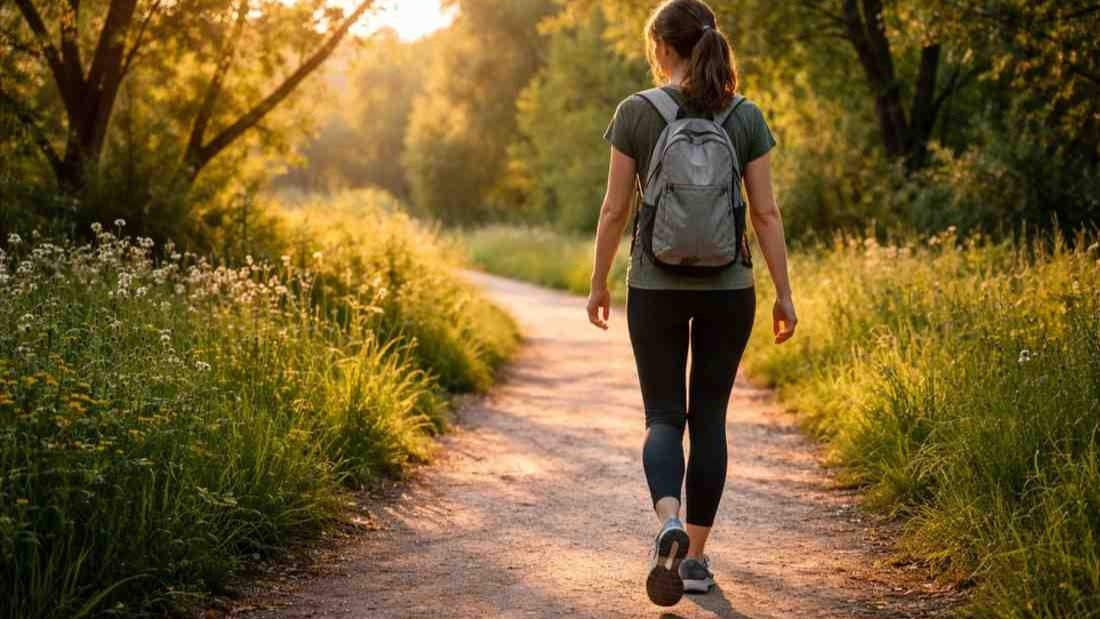
Getting outside has always been one of the easiest ways to reset both body and mind without overthinking fitness. The best ways to stay active outdoors are not about extreme workouts but about simple, enjoyable movement that fits into everyday life. Once outdoor activity became part of my routine instead of a task, it turned into something I genuinely looked forward to.
Why Outdoor Movement Beats Indoor Workouts
Stepping outside changes how movement feels and how consistent you can be.
The Science Behind Green Exercise Benefits
Outdoor activity, often called green exercise, has a powerful effect on both physical and mental health. Fresh air, sunlight, and natural surroundings help reduce stress, improve mood, and support overall well being in a way indoor workouts rarely match. Research shows that outdoor movement can boost vitamin D levels and improve focus more effectively than indoor exercise. Even something as simple as walking outside feels more refreshing and energizing than staying indoors.
Mental And Emotional Benefits You Can Feel Quickly
One of the biggest differences I noticed was how quickly outdoor activity improves mood. A short walk can clear your mind and reduce stress after a long day without requiring much effort. Instead of feeling drained, you feel more energized. That shift makes it easier to stay consistent because the activity feels rewarding rather than exhausting.
Movement Feels More Natural And Less Forced
Indoor workouts often rely on discipline, but outdoor movement feels natural. You are exploring your surroundings instead of staring at a wall or watching a timer. This makes it easier to build a routine because it does not feel rigid or restrictive.
Stay Active Outdoors For Cardio And Exploration
Cardio activities outdoors are simple, effective, and easy to adapt to any fitness level.
Walking And Hiking For Everyday Fitness
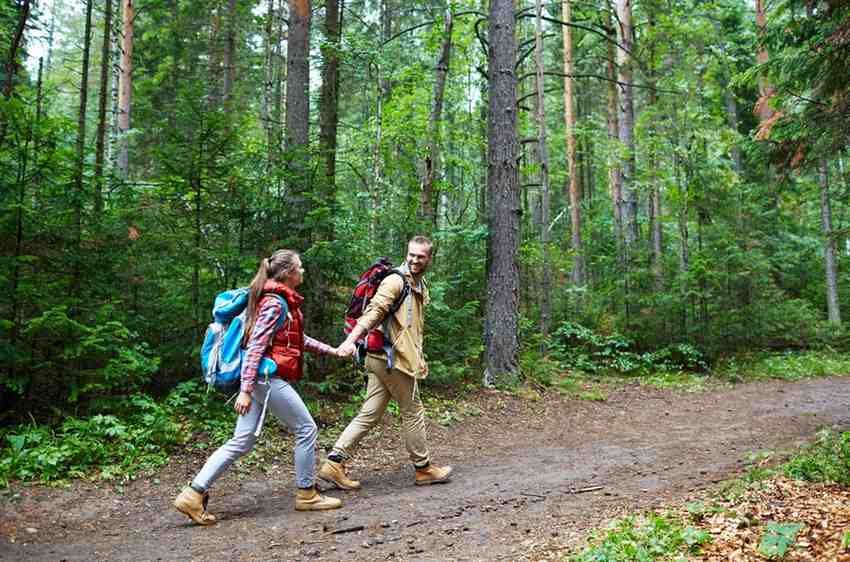
Walking is one of the most accessible ways to stay active. You can start with short neighborhood walks and gradually explore parks or trails as your comfort increases. Hiking adds variety by introducing new terrains and small challenges. Even moderate trails improve endurance while keeping the experience interesting.
Cycling And Running For Progression
Cycling offers low impact cardio while allowing you to cover more distance. It is suitable for both beginners and those looking for more intensity. Running can be introduced gradually using a run walk approach. This helps build stamina without overwhelming your body and keeps the routine sustainable.
Plogging And Exploration Based Movement
Plogging combines jogging with picking up litter, adding functional movement like bending and stretching. It turns a simple run into something more engaging and meaningful. Exploring new routes or parks also helps prevent boredom and keeps your routine fresh without requiring extra effort.
Build Strength Naturally Without A Gym
Outdoor spaces provide everything needed for strength training without requiring equipment.
Park Workouts And Bodyweight Training
Many parks include simple structures like bars and benches that can be used for exercises such as push ups, dips, and step ups. Bodyweight movements like squats and lunges can be done anywhere, making strength training in adults more flexible and easier to maintain.
Rucking And Functional Movement
Rucking involves walking with a weighted backpack, combining cardio and strength training in a simple way. It increases intensity without requiring complicated routines. This approach builds functional strength that supports everyday movement while keeping workouts straightforward.
Using Natural Elements As Training Tools
Stairs, hills, and open spaces can be used creatively for workouts. Climbing, sprinting, or balancing on uneven ground adds variety and keeps things challenging. This prevents workouts from becoming repetitive and keeps your body engaged.
Refreshing Water Activities That Keep You Moving
Water activities provide a refreshing way to stay active while working multiple muscle groups.
Swimming For Full Body Fitness
Swimming is a low impact, full body workout that is easy on the joints while still being effective. It works multiple muscle groups at once. It is especially useful during warmer months when outdoor temperatures make other activities less comfortable.
Kayaking And Paddleboarding For Core Strength
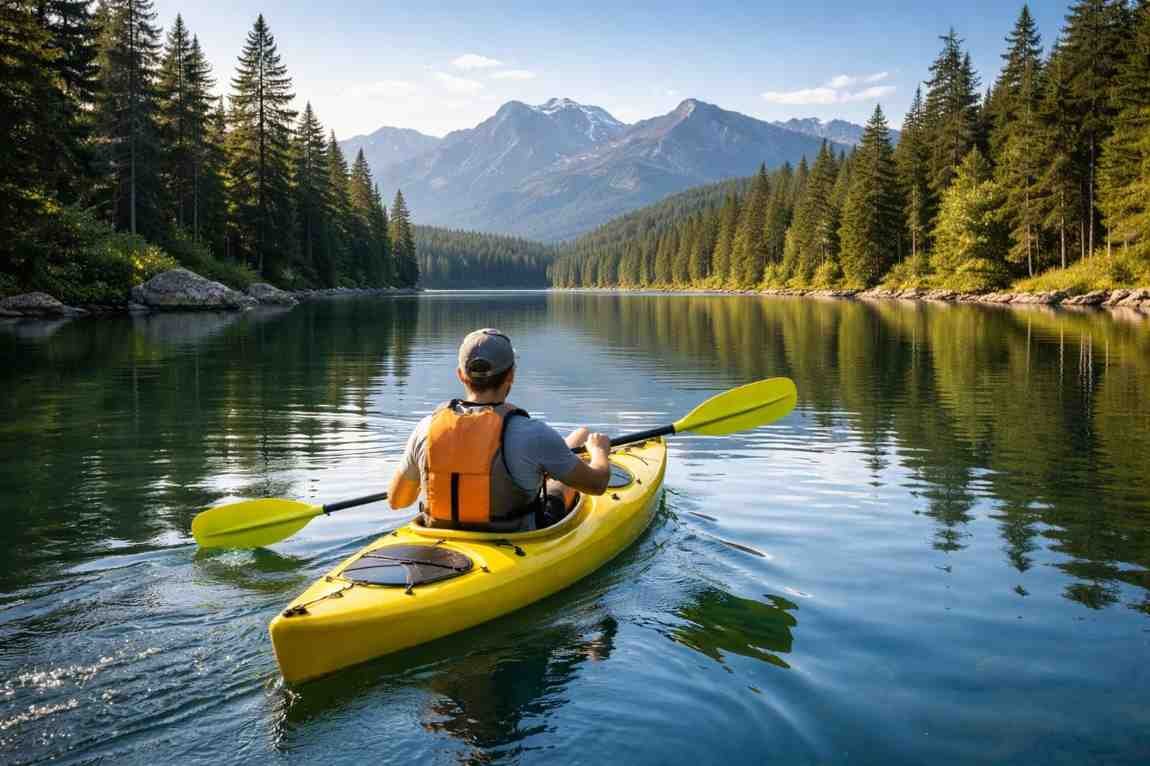
Paddling activities like kayaking and paddleboarding focus on upper body and core strength while improving balance and coordination. They also add an element of adventure, making workouts feel less like exercise and more like an experience.
High Energy Water Sports For Intensity
Activities like surfing and windsurfing provide a more intense workout while keeping things exciting and dynamic. They require focus and coordination, which keeps both your body and mind fully engaged.
Stay Active Through Fun Social And Recreational Play
Staying active becomes easier when it is combined with social interaction.
Pickleball And Community Sports
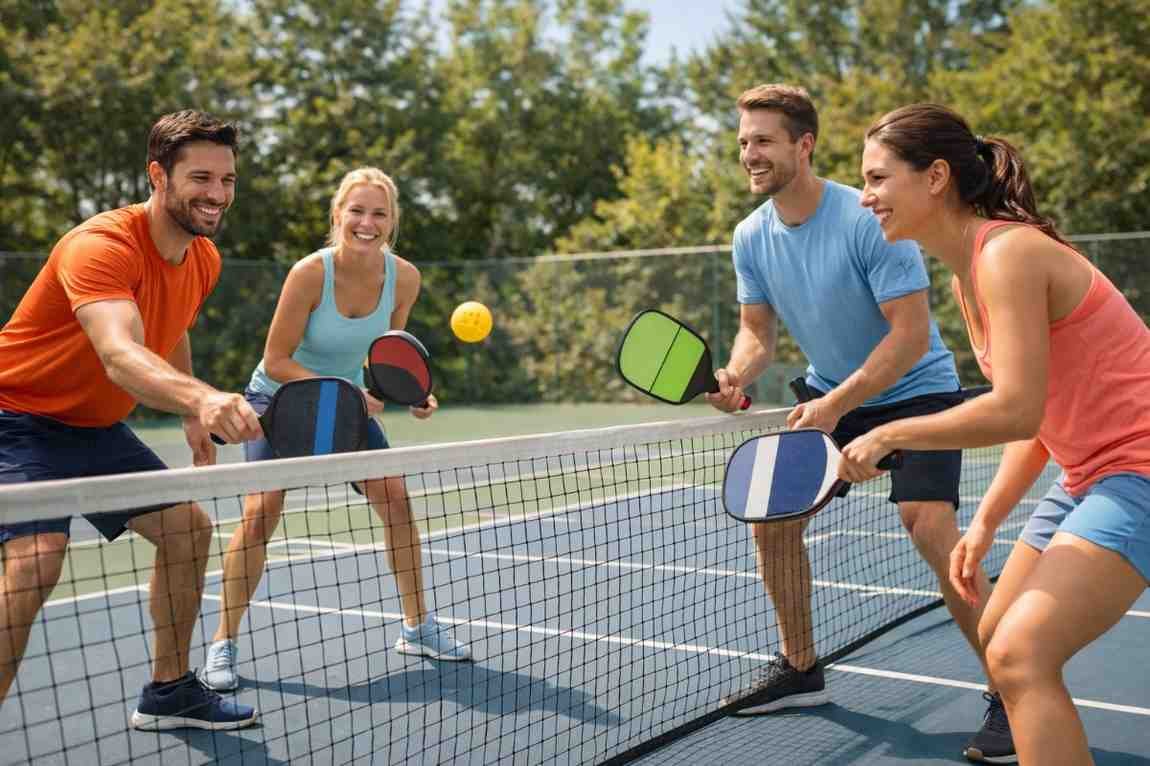
Pickleball is easy to learn and less demanding on the joints, making it a great option for consistent activity. It also has a strong community aspect. Playing regularly helps you stay active while building connections with others.
Team Sports For Accountability
Joining local leagues or groups adds structure and accountability. Activities like soccer or frisbee keep you moving while making exercise feel enjoyable. Being part of a group makes it easier to stay consistent.
Lawn Games And Light Movement
Lower intensity activities like bocce or croquet still keep you moving while being relaxed and social. They are perfect for staying active on days when you do not want something too intense.
Low Impact Outdoor Activities For Mind And Body
Not all movement needs to be intense to be effective.
Outdoor Yoga And Tai Chi
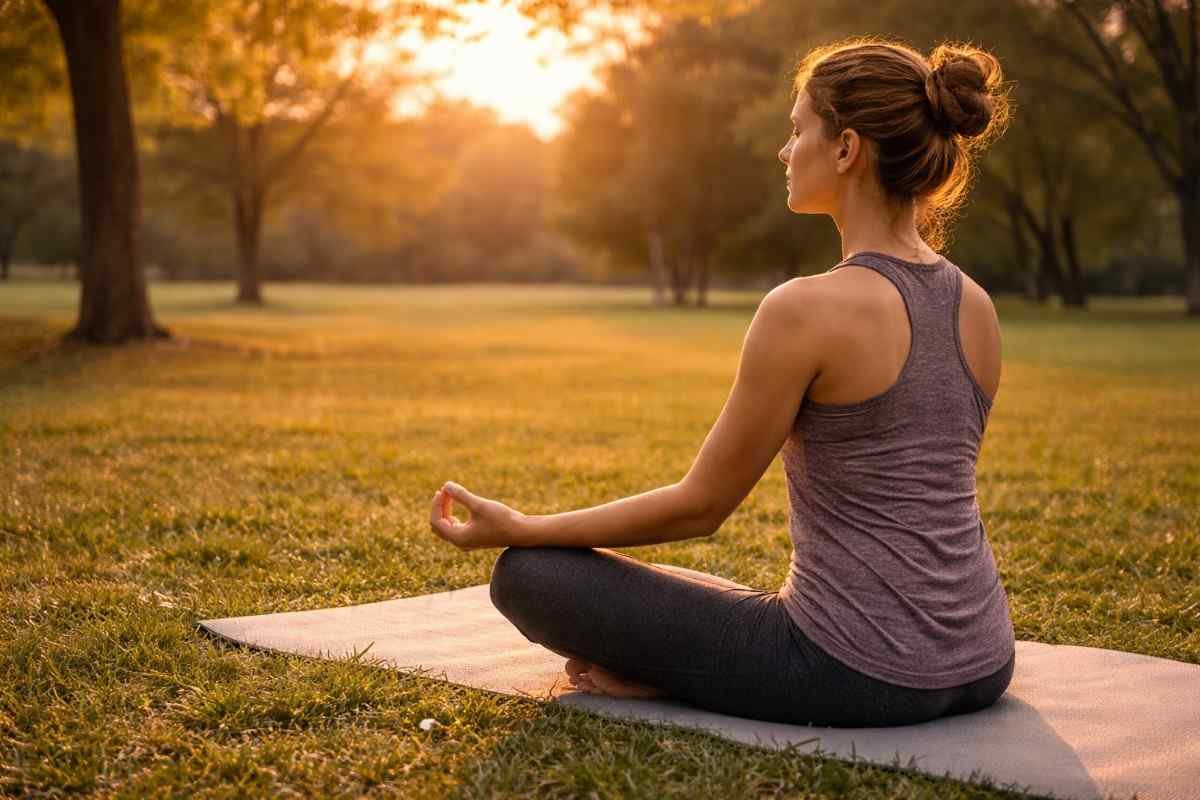
Practicing yoga or tai chi outside improves flexibility, balance, and mental clarity while connecting you with nature. The calm environment enhances the overall experience and makes these activities more enjoyable.
Gardening As Functional Movement
Gardening involves bending, lifting, and reaching, making it a practical way to stay active. It also provides a sense of accomplishment, which adds to its benefits.
Active Hobbies That Keep You Moving
Hobbies like birdwatching, photography, or geocaching encourage walking and exploration. They shift the focus from exercise to experience, making movement feel effortless.
A Simple Step By Step Outdoor Activity Plan
This is the simple approach that makes staying consistent easier.
Start by choosing one activity that feels easy and realistic for your current lifestyle. Walking is often the best starting point because it requires no preparation and can be done anywhere.
Next, build a flexible routine instead of a strict schedule. Choose a general time of day to go outside so you can adapt without skipping your routine.
Then, gradually increase intensity by adding small challenges such as longer routes or light strength exercises. Keep changes manageable so they feel natural.
Finally, rotate between different activities throughout the week to keep things interesting. Mixing cardio, strength, and low impact movement helps maintain balance and prevents boredom.
Frequently Asked Questions
1. What Are The Best Ways To Stay Active Outdoors For Beginners?
Start with simple activities like walking or cycling. Focus on consistency and gradually increase intensity over time.
2. How Often Should I Stay Active Outdoors?
Aim for 20 to 45 minutes most days. Even shorter sessions can be effective if done consistently.
3. Do Outdoor Activities Improve Mental Health?
Yes, they help reduce stress, improve mood, and support overall well being through exposure to natural environments.
4. Can The Best Ways To Stay Active Outdoors Replace Gym Workouts?
Yes, outdoor activities can provide both cardio and strength benefits when done consistently with variety.
Turning Outdoor Movement Into A Daily Habit
The best ways to stay active outdoors are built on simple habits, variety, and enjoyment. Once movement becomes part of your daily routine instead of something structured, consistency becomes easier. Over time, it stops feeling like exercise and becomes something you naturally enjoy, making it sustainable for the long term.