
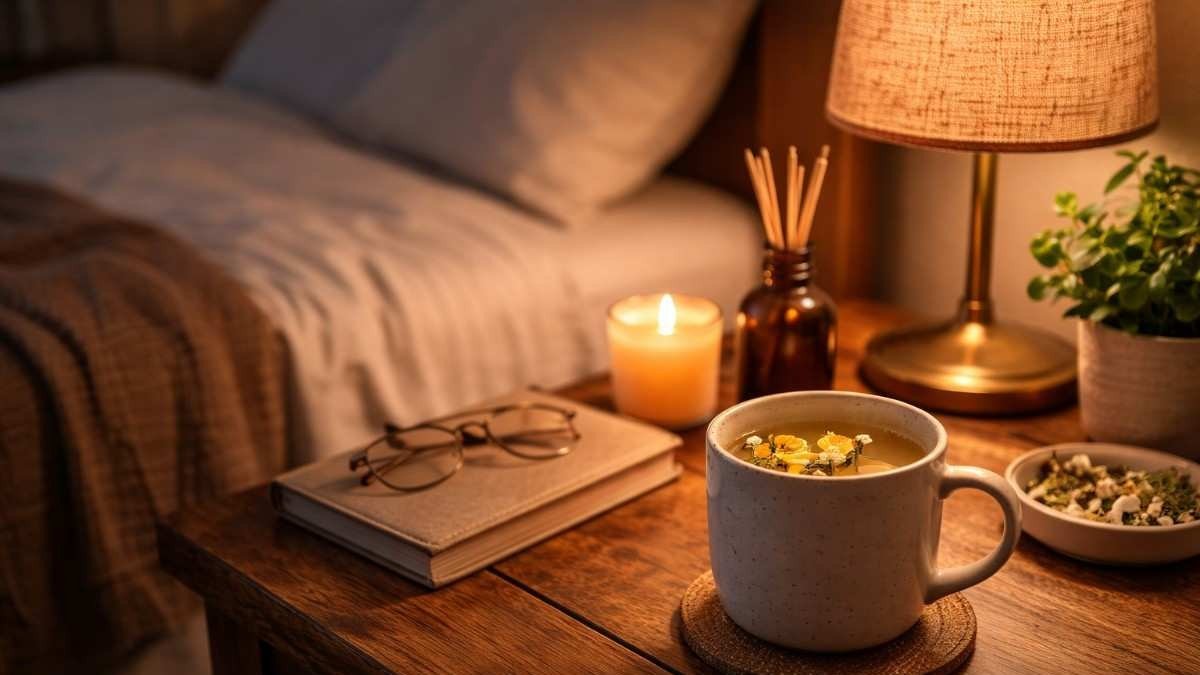
Late nights used to feel frustrating, with my mind constantly racing and sleep nowhere in sight. Discovering the right tea to drink to sleep changed the way my evenings feel, turning them into something calm and predictable instead of stressful and restless. What surprised me most is that it is not just about the tea itself, but how it fits into a simple routine that signals your body to slow down and prepare for rest.
Why Tea To Drink To Sleep Actually Works
Understanding the science behind sleep tea helps you use it more effectively.
Natural Sedatives That Calm The Brain
Herbal teas used for sleep are caffeine free and contain natural compounds that interact with your nervous system. Ingredients like chamomile, valerian root, and passionflower work with neurotransmitters such as Gamma-Aminobutyric Acid (GABA), which reduces brain activity and promotes relaxation.
This calming effect helps your body shift from an alert state into a restful one. Instead of forcing sleep, these teas gently guide your body toward it in a natural way.
How Herbal Teas Reduce Stress Hormones
Many sleep teas also help lower cortisol levels, which is the stress hormone that keeps you alert at night. Lavender and lemon balm are especially known for their ability to calm the nervous system and reduce tension.
When your stress levels drop, your body finds it easier to fall asleep without resistance. This is why people who struggle with anxiety often benefit the most from these teas.
Why Routine Matters More Than You Think
Drinking tea before bed becomes powerful when it is repeated consistently. Over time, your brain starts linking that warm cup with sleep, turning it into a mental trigger for relaxation.
This habit works like a signal that tells your body it is time to wind down, making sleep feel more automatic and less forced.
Top Herbal Tea To Drink To Sleep
Choosing the right tea makes a noticeable difference in results.

Chamomile Tea For Gentle Sleep Support
Chamomile is the most popular option because it contains apigenin, an antioxidant that binds to brain receptors and helps initiate sleepiness. It also reduces anxiety, making it ideal for people who struggle with overthinking. This tea is mild, soothing, and perfect for daily use. It works best if your main issue is stress rather than severe insomnia.
Valerian Root Tea For Deep Sleep
Valerian root is stronger and often used as a natural remedy for insomnia. It increases GABA levels in the brain, helping you fall asleep faster and stay asleep longer. The taste can be earthy and strong, so many people mix it with chamomile or other herbs to make it more pleasant.
Lavender And Lemon Balm For Relaxation
Lavender tea is known for reducing stress and calming the nervous system. Its soothing aroma alone can help your body relax before sleep. Lemon balm offers a lighter effect and helps reduce restlessness and digestive discomfort, which can also interfere with sleep.
Passionflower Tea For Mental Calmness
Passionflower is particularly effective for quieting mental chatter and reducing racing thoughts. It is often combined with valerian root for stronger results. This makes it a great option if your main issue is an active mind at bedtime.
Recommended Tea To Drink To Sleep Blends
If you prefer convenience, pre blended teas can simplify your routine.
Popular Ready Made Options
Blends like Celestial Seasonings Sleepytime Extra include valerian root for deeper relaxation. Yogi Tea Bedtime combines chamomile, passionflower, and warming spices for a balanced effect.
Traditional Medicinals Nighty Night Valerian is a stronger option designed for people who struggle to fall asleep quickly. These blends save time and ensure consistent results.
Choosing The Right Blend For You
Not all blends work the same, so choosing based on your needs is important. If you want something mild, go for chamomile based teas. For stronger effects, choose blends with valerian or passionflower. Trying a few options can help you find what works best for your body and sleep patterns.
Why Blends Can Be More Effective
Combining multiple herbs often creates a stronger calming effect than using a single ingredient. These blends target different aspects of sleep, from anxiety to restlessness. This layered approach is why many people find blends more effective than individual teas.
Best Brewing Practices For Sleep Tea
How you prepare your tea affects how well it works.
Steep Time For Maximum Effect
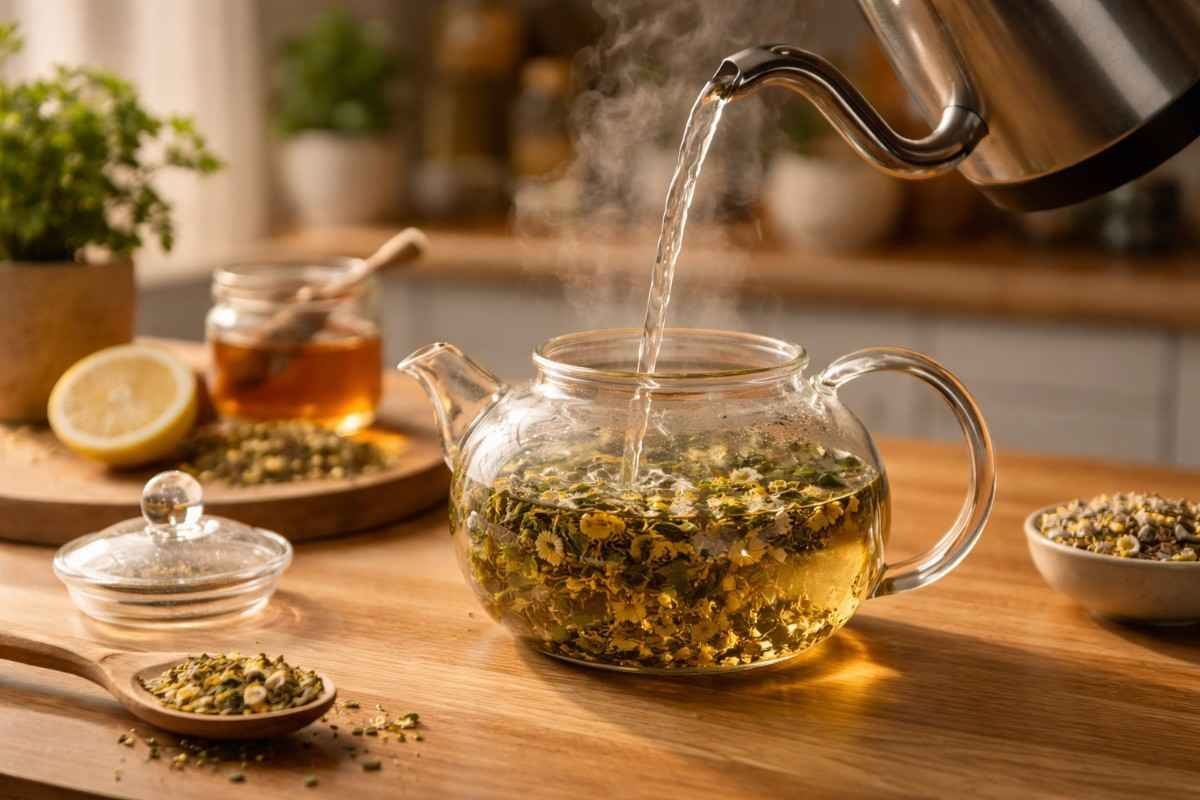
Most herbal teas need at least 5 to 10 minutes to release their active compounds. Valerian root benefits from a longer steep time of up to 15 minutes. Rushing this process can reduce the effectiveness of the tea, so patience matters here.
Ideal Timing Before Bed
Drinking your tea 30 to 60 minutes before bedtime allows enough time for the calming effects to take place. This timing helps your body transition smoothly into sleep mode. Consistency with timing is just as important as the tea itself.
Water Temperature And Quality
Using water just below boiling helps preserve delicate compounds, especially in flowers like chamomile. Around 200 degrees Fahrenheit is ideal. Good quality water also improves taste and overall experience, making the routine more enjoyable.
How To Tea To Drink To Sleep Step By Step
This routine is simple but incredibly effective when followed consistently.
Start by selecting the right tea based on your needs, whether it is chamomile for relaxation or valerian for deeper sleep. Heat water to the right temperature and allow the tea to steep for the recommended time to fully release its calming compounds.
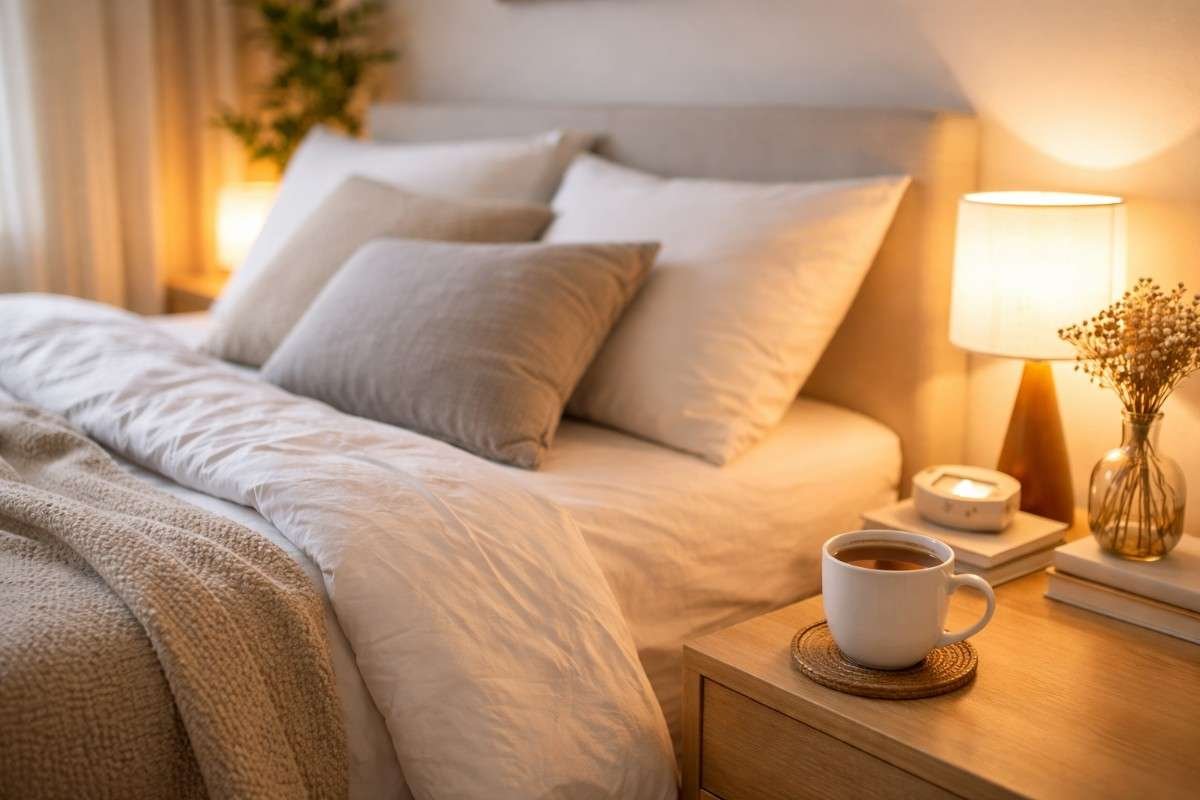
While the tea is brewing, begin reducing stimulation by dimming lights and stepping away from screen. Sit in a quiet space and drink your tea slowly, focusing on the warmth and calmness minimalist lifestyle brings.
Once finished, move directly into your bedtime routine without distractions. Repeating this process every night helps your body associate this sequence with sleep, making it easier to fall asleep naturally.
Common Mistakes With Tea To Drink To Sleep
Avoiding these mistakes can improve your results significantly.
Drinking Caffeinated Teas At Night
Teas like green tea or black tea contain caffeine and can disrupt your sleep even in small amounts. Always choose caffeine free herbal options for nighttime use. This simple mistake is one of the biggest reasons sleep tea fails for many people.
Expecting Immediate Results
Sleep tea is not a quick fix. It works best when used consistently as part of a routine rather than a one time solution. Building the habit is what creates long term benefits.
Ignoring Overall Sleep Habits
Even the best tea will not work if other habits interfere with sleep. Late night screen use, heavy meals, and irregular schedules can cancel out the benefits. Think of tea as part of a complete sleep strategy rather than the only solution.
Frequently Asked Questions
1. What Is The Best Tea To Drink To Sleep Fast?
Chamomile is the most common choice, but valerian root works faster for deeper sleep needs depending on your body.
2. Can I Use Tea To Drink To Sleep Every Night?
Yes, most herbal teas are safe for daily use, but check ingredients if you have allergies or specific health conditions.
3. How Long Before Bed Should I Drink It?
Drink it 30 to 60 minutes before bedtime to allow the calming effects to work properly.
4. Does Tea Really Help With Insomnia?
It can improve relaxation and sleep quality, but it is not a cure for chronic insomnia.
Simple Habit That Changes Your Nights
Finding the right tea to drink to sleep turned my nights into something calmer and easier to manage. It is not about quick fixes but about building a routine that supports your body naturally. With the right tea, proper preparation, and consistent timing, sleep becomes less of a struggle and more of a natural outcome.