

Starting a fitness journey can be intimidating, but when I discovered calisthenics, everything changed. No fancy machines, no expensive memberships—just bodyweight exercises that I could do anywhere. And let me tell you, it worked. As a beginner, calisthenics helped me build a solid foundation, gain strength, and avoid overwhelming routines.
I’m going to walk you through a practical and effective calisthenics workout plan for beginners that you can start right away. This plan focuses on the “Big 5” movements—pushing, pulling, squatting, lunging, and bracing—to build functional strength and prepare you for more advanced exercises.
What Is a Calisthenics Workout Plan for Beginners?
A calisthenics workout plan for beginners is all about using your own body weight to perform exercises that enhance your strength, flexibility, and endurance. It’s simple, accessible, and incredibly effective for beginners. By mastering foundational movements, you can progress to more advanced calisthenics skills like muscle-ups, handstands, and other challenging exercises.
A typical beginner calisthenics workout will focus on five essential movements that build a well-rounded foundation: pushing, pulling, squatting, lunging, and bracing. These movements engage multiple muscle groups, helping you develop functional strength that will serve you in your everyday life and future workouts.
Why Are the “Big 5” Movements Important for Beginners?
The “Big 5” foundations of calisthenics—push-ups, inverted rows, bodyweight squats, lunges, and planks—are the pillars that will help you develop overall strength, balance, and control. Let’s break them down:
1. Push-ups: Targets chest, shoulders, and triceps
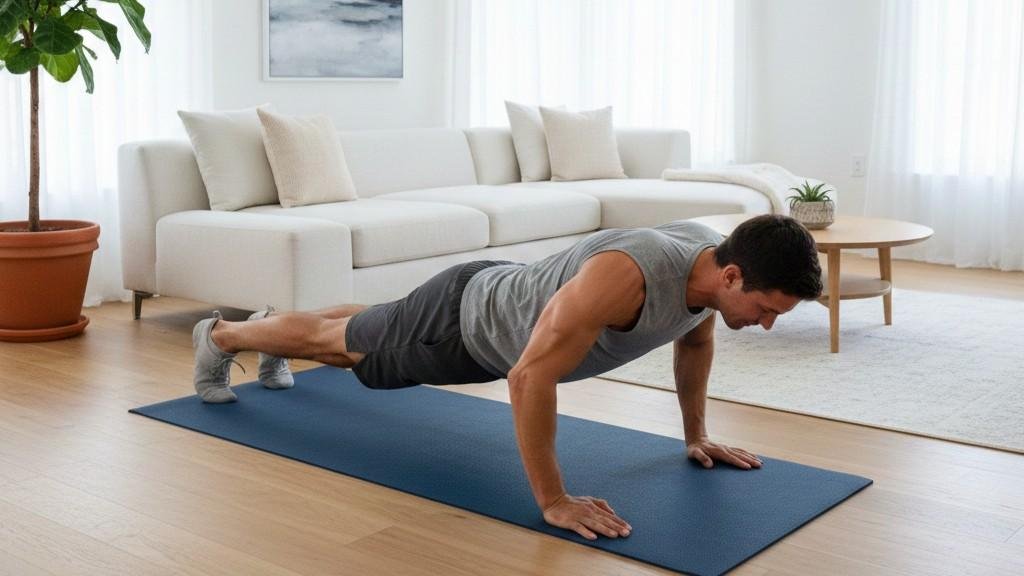
Push-ups are a staple in any calisthenics workout plan. They help develop upper body pushing strength. Start with modified push-ups (e.g., incline push-ups) if you’re not able to perform a standard push-up yet.
2. Inverted Rows: Builds back and pulling strength
Inverted rows are excellent for strengthening your back muscles and improving your pulling power. Use a bar or a table to reduce the angle and make it easier if needed.
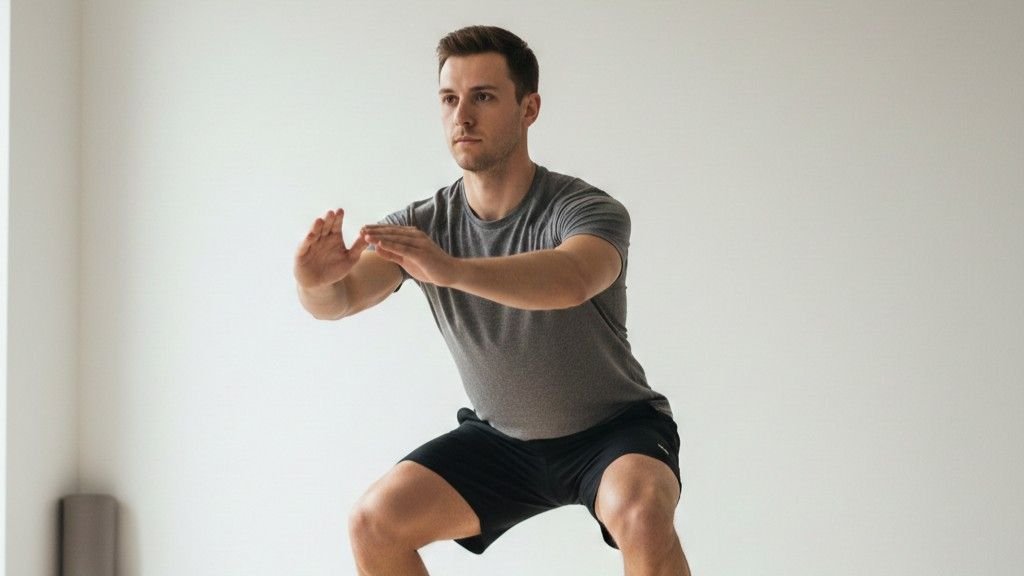
3. Bodyweight Squats: Core foundation for all leg exercises
Squats are essential for building leg strength, particularly in your quads, hamstrings, and glutes. Mastering bodyweight squats lays the groundwork for more advanced lower body exercises.
4. Lunges: Develops balance and unilateral leg strength
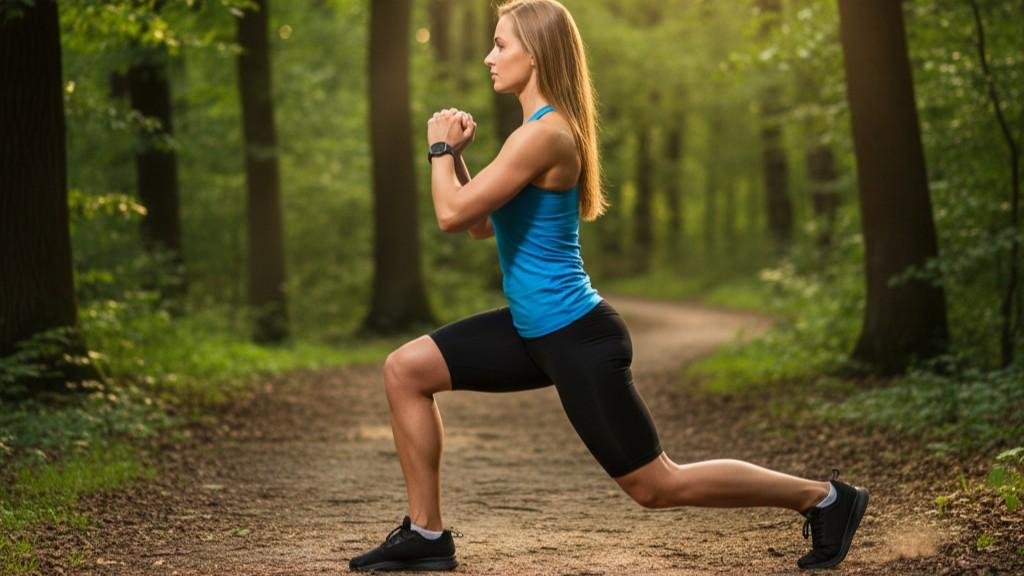
Lunges work each leg individually, helping to improve balance and coordination while building strength in your legs.
5. Plank / Hollow Hold: Essential for core stability and body control
A strong core is crucial for maintaining good posture and balance in all exercises. Planks and hollow holds will help stabilize your core and provide a foundation for more advanced movements like handstands.
How to Start Your Calisthenics Workout Plan for Beginners
Now that you understand the basic movements, let’s get into a beginner-friendly routine that will help you build strength and endurance. Follow this plan 3 days a week with at least one rest day between workouts.
3-Day Full Body Routine
This circuit-style workout targets all your major muscle groups in a balanced way. Perform each exercise with good form and focus on building strength over time. Here’s how your weekly schedule should look:
| Exercise | Reps/Duration | Sets |
| Push-ups | 8–12 reps | 3 |
| Inverted Rows | 8–12 reps | 3 |
| Bodyweight Squats | 12–15 reps | 3 |
| Lunges | 10 reps per leg | 3 |
| Plank | 30–60 seconds | 3 |
Perform the circuit 3 times per week, ideally on Monday, Wednesday, and Friday, to allow your muscles to recover on your rest days.
Beginner Progression Roadmap
As you begin your calisthenics workout plan for beginners, it’s important to gradually increase the difficulty of the exercises to keep seeing results. Here’s how to progress over the next couple of months:
Phase 1 (Weeks 1-2)
The goal in this phase is to focus on mastering form and learning the basic movements. If you find it difficult to complete a push-up or inverted row, feel free to modify the exercises. Try incline push-ups or perform the inverted rows at a higher angle.
Phase 2 (Weeks 3-4)
After a couple of weeks, you should be able to perform standard push-ups and rows with better form. At this point, start increasing your volume by doing 10 push-ups, 10 rows, and holding a plank for 1 minute.
Phase 3 (Month 2+)
Once you’re comfortable with the basics, begin adding more challenging variations. Try Pike Push-ups for shoulder strength and work toward Pull-up Negatives to get closer to performing your first full pull-up.
Pro Tips for Success
To get the most out of your calisthenics workout plan for beginners, follow these tips to stay on track and avoid common pitfalls:
1. Warm Up
Warming up before each workout is essential to prevent injury. Spend 5–10 minutes doing dynamic stretches, like arm circles, leg swings, and torso twists. This will prepare your body for the upcoming exercises.
2. Rest Between Sets
It’s important to rest between sets to allow your muscles to recover. Aim for 60–90 seconds of rest between each set, depending on the intensity of the exercise. This will help you maintain high-quality form throughout your workout.
3. Consistency is Key
The more consistently you stick to your calisthenics workout plan for beginners, the faster you’ll see progress. Track your workouts and goals to keep yourself accountable, and use apps or guides like Ativafit’s 30-Day Plan or the Gymshark Beginner Guide to stay on track.
Frequently Asked Questions
1. How often should I do a calisthenics workout as a beginner?
It’s best to work out 3–4 times per week as a beginner. This allows your muscles time to recover and grow between sessions. Don’t overdo it; quality and consistency are more important than frequency.
2. How long will it take to see results with calisthenics?
Results vary depending on your consistency and effort, but you can expect to start noticing strength improvements after 4–6 weeks of regular training. With time, you’ll see better muscle tone and endurance.
3. What if I can’t do a full push-up yet?
That’s completely okay! Start with modified push-ups, like incline push-ups with your hands on a raised surface. As you build strength, you can gradually work your way down to floor push-ups, then to full push-ups.
4. Can I do calisthenics if I don’t have access to a gym?
Absolutely! The beauty of calisthenics is that you don’t need any special equipment or a gym. You can do these exercises at home, at the park, or anywhere you have space.
Your Calisthenics Journey Begins Now!
Starting your calisthenics workout plan for beginners is the first step toward building a strong, healthy, and confident body. The best part? You can do it anywhere with no need for fancy equipment. Just focus on mastering the “Big 5” movements and keep progressing at your own pace. Stay consistent, be patient, and before you know it, you’ll be crushing more advanced moves with ease.
Remember, fitness is a journey, not a race. Celebrate every step forward, and enjoy the process. You’ve got this!