
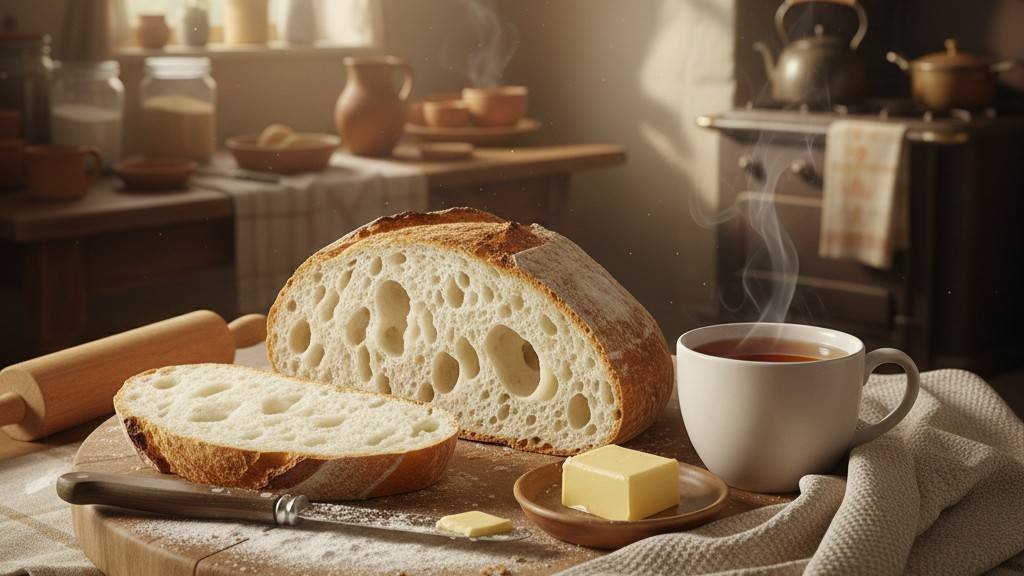
There’s something magical about baking bread at home. I’ll never forget my first attempt—it was supposed to be a simple loaf of white bread, but the result was, let’s just say, less than impressive. Instead of the soft, fluffy loaf I had imagined, I ended up with a dense brick.
But the allure of fresh bread kept me going, and now I’m obsessed with making homemade bread recipes that are easy, fun, and foolproof. Whether you’re a beginner or an experienced baker, homemade bread is something you can master with just a few ingredients and the right techniques.
If you’ve ever thought about baking your own bread but weren’t sure where to start, this guide will walk you through three popular methods to get you started on your homemade bread journey. From no-knead artisan bread to soft white sandwich bread and even a quick, no-yeast recipe, I’ve got you covered.
Why Should You Try Homemade Bread Recipes?
Homemade bread isn’t just about the taste; it’s about the experience. There’s something incredibly satisfying about kneading the dough, waiting for it to rise, and finally pulling a golden loaf from the oven. Not to mention, homemade bread often tastes better than store-bought bread, without all the preservatives and additives. You can control the ingredients, making it a healthier option for you and your family.
Making bread at home can also save you money, especially if you’re making larger batches. Plus, it’s incredibly customizable—add herbs, cheese, or even dried fruit to create your perfect loaf. Baking bread doesn’t have to be complicated, and once you get the hang of it, you’ll be baking fresh loaves regularly!
What Are Some Easy Homemade Bread Recipes for Beginners?
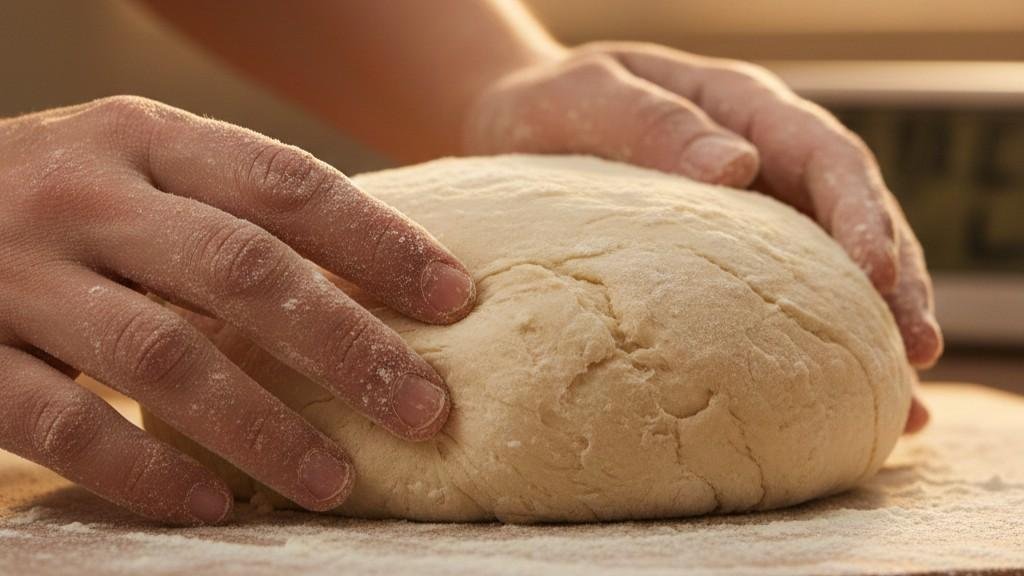
If you’re just starting out, it’s important to choose recipes that are simple, forgiving, and don’t require any special equipment. Here are three homemade bread recipes that will get you hooked:
1. Beginner’s No-Knead Artisan Bread
This 4-ingredient artisan bread recipe is perfect for beginners. It requires minimal effort and doesn’t need any fancy equipment. The result is a rustic loaf with a crispy crust and chewy interior—ideal for dipping in olive oil or pairing with soup.
Ingredients:
- 3 1/4 cups bread flour
- 2 tsp instant yeast
- 2 tsp coarse salt
- 1 1/2 cups room-temperature water
Method:
Simply mix the ingredients in a large bowl until a shaggy dough forms. Cover the bowl with a clean towel and let the dough rise at room temperature for 2–3 hours, until it doubles in size. Once risen, gently shape the dough into a ball.
Baking:
Preheat a Dutch oven to 450°F (230°C). Carefully place the shaped dough into the pot and cover it. Bake for 30 minutes with the lid on, then remove the lid and bake for an additional 15 minutes to achieve a golden, crispy crust.
2. Classic Soft White Sandwich Bread
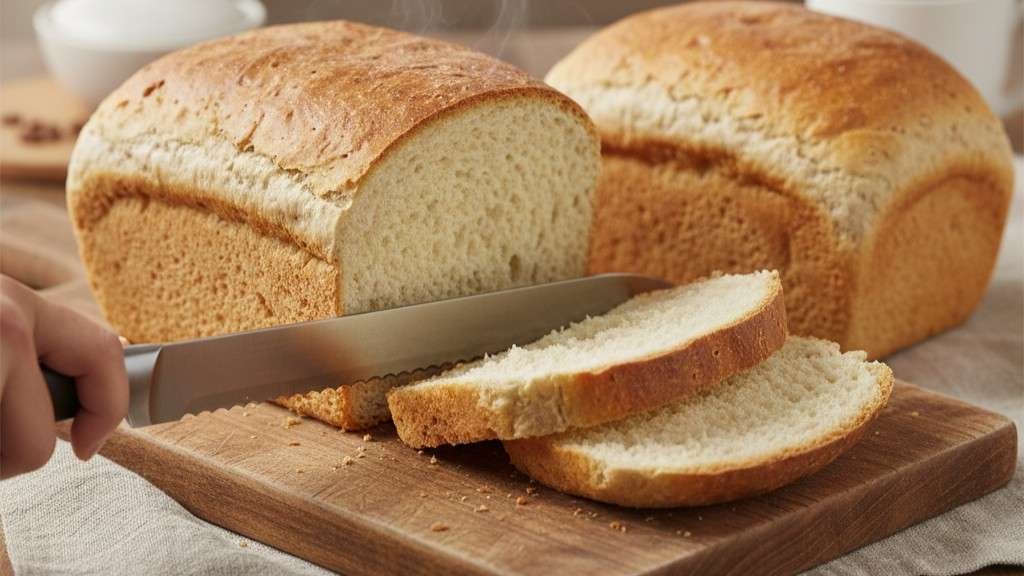
For something soft and versatile, soft white sandwich bread is the way to go. This recipe is perfect for sandwiches, toast, or just enjoying it with butter.
Ingredients:
- 3 cups all-purpose or bread flour
- 1 cup warm water (or half milk)
- 2 tbsp sugar
- 1 packet active dry yeast
- 2 tbsp melted butter
- 1 tsp salt
Method:
Combine the warm water, sugar, and yeast in a bowl and let it sit for about 5 minutes, or until foamy. Add in the melted butter, flour, and salt. Mix until the dough starts to come together, then knead for 8–10 minutes until smooth and elastic.
Proofing:
Let the dough rise in a warm place for about 1.5 hours, or until it doubles in size. Shape it into a loaf and place it in a greased loaf pan. Let it rise for another 30–60 minutes.
Baking:
Preheat your oven to 350°F (175°C) and bake for 30–35 minutes, or until the top is golden and the bread sounds hollow when tapped.
3. Quick No-Yeast Bread (Irish Soda Bread)
Short on time? Irish soda bread is the answer. Using baking soda instead of yeast, this recipe requires no rising time, making it one of the fastest homemade bread recipes.
Ingredients:
- 4 cups all-purpose flour
- 1 tsp baking soda
- 1 tsp salt
- 1 1/2 cups buttermilk
Method:
Mix the flour, baking soda, and salt in a large bowl. Gradually add the buttermilk and mix until a dough forms. Shape the dough into a round loaf and place it on a baking sheet. Score a deep “X” on the top to help it bake evenly.
Baking:
Preheat the oven to 425°F (220°C) and bake the bread for 30–35 minutes, or until the top is golden and a toothpick comes out clean.
How Do You Make Perfect Homemade Bread Every Time?
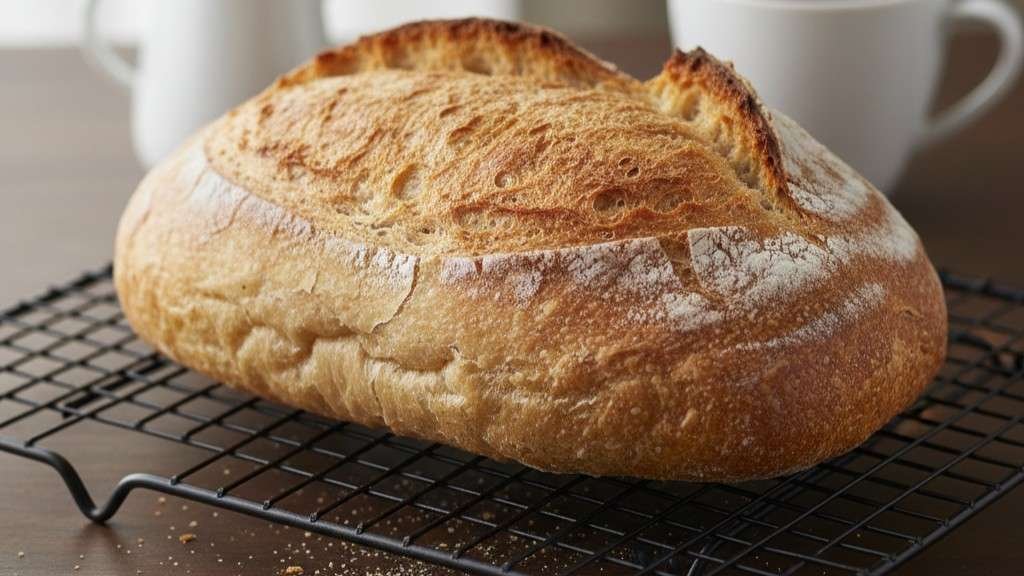
Making bread at home can be tricky, but there are a few simple tips to ensure your bread turns out perfectly every time.
1. Get Your Water Temperature Right
The temperature of your water can make or break your bread. If the water is too hot, it can kill the yeast, and if it’s too cold, the bread won’t rise. Aim for lukewarm water, around 105°F–115°F (40°C–46°C).
2. Measure Flour Correctly
Too much flour can result in a dense loaf. To measure flour accurately, use a kitchen scale or the “spoon and level” method—spoon the flour into the measuring cup, then level it off with a knife.
3. Give It Time to Rise
Patience is key when making homemade bread. Let your dough rise for the recommended time, and don’t rush the process. The longer the dough rises, the more flavor it will develop.
Frequently Asked Questions
Q1: Can I make homemade bread without a stand mixer?
Absolutely! You can knead dough by hand, and many homemade bread recipes are designed with that in mind. Simply knead the dough for 8–10 minutes until it’s smooth and elastic. You may get a workout, but the results will be worth it!
Q2: Why is my homemade bread so dense?
Dense bread can result from using too much flour, not enough yeast, or under-kneading the dough. Make sure to measure your flour carefully, use the right amount of yeast, and knead the dough until it’s smooth and stretchy.
Q3: Can I use regular flour instead of bread flour for homemade bread?
You can use all-purpose flour, but bread flour has a higher protein content, which helps the dough rise better and gives your bread a chewy texture. If you’re serious about homemade bread, bread flour is definitely worth trying.
Q4: How can I store homemade bread?
Store your homemade bread in a cool, dry place, wrapped in a clean cloth or plastic bag. If you’re not going to eat it within a few days, you can freeze it to keep it fresh longer. Just slice it first, then wrap it tightly and freeze.
Your Homemade Bread Adventure Awaits
Baking homemade bread recipes are a rewarding and satisfying experience. Whether you’re making a no-knead artisan loaf, a soft white sandwich loaf, or a quick Irish soda bread, there’s nothing quite like the aroma of fresh bread wafting through your home.
So why not give it a try? The beauty of homemade bread is that it’s as much about the process as it is about the final product. Plus, once you’ve mastered the basics, you can start experimenting with different ingredients and flavors to make your own signature loaves. Happy baking!