
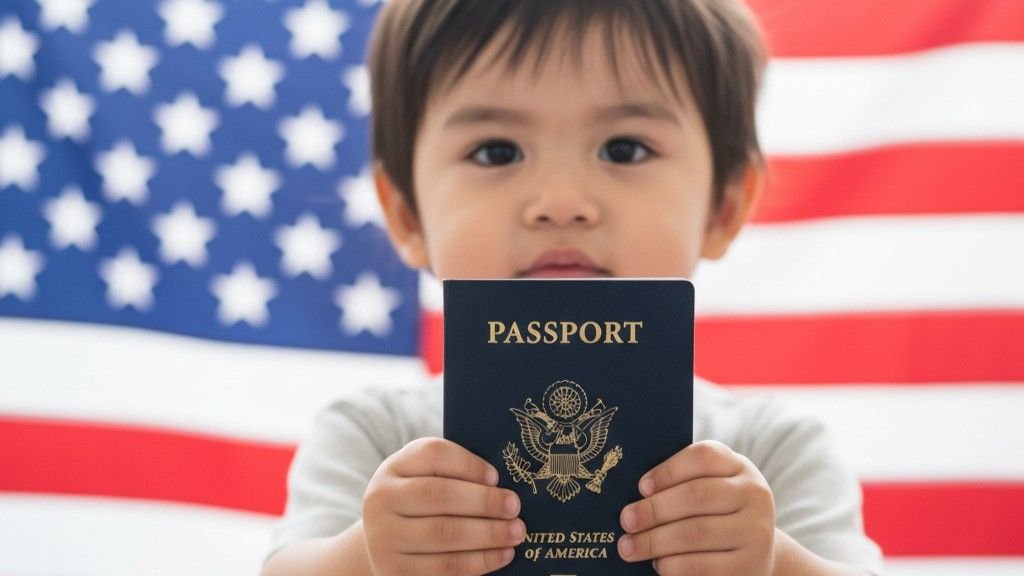
Have you ever wondered how the United States determines who is a citizen? In the U.S., birthright citizenship is a central principle, and it all goes back to the Fourteenth Amendment to the Constitution. This principle, called jus soli (right of the soil), grants citizenship to almost everyone born within U.S. territory, regardless of their parents’ immigration status.
For many, this rule is a point of pride, but it’s also a topic of heated debate, especially in the context of modern-day immigration issues. This blog will break down what birthright citizenship means, where it came from, and its relevance in today’s legal landscape.
What Is the Constitution Birthright Citizenship and How Does It Work?
In simple terms, constitution birthright citizenship means that any child born within the United States automatically becomes a U.S. citizen, regardless of the immigration status of their parents. The legal foundation for this right comes from the Fourteenth Amendment, specifically its Citizenship Clause, which was ratified in 1868. This clause states, “All persons born or naturalized in the United States, and subject to the jurisdiction thereof, are citizens of the United States and of the state wherein they reside.”
This principle ensures that nearly every child born on U.S. soil is granted U.S. citizenship at birth. It was originally designed to extend citizenship to newly freed slaves after the Civil War and has remained a fundamental part of American immigration law ever since.
The Historical Basis: The Fourteenth Amendment and Its Origins
The idea of constitution birthright citizenship was solidified with the passage of the Fourteenth Amendment following the Civil War. The amendment was created in part to undo the effects of the Dred Scott decision, which had denied citizenship to African Americans.
By including the Citizenship Clause, the Fourteenth Amendment guaranteed that all individuals born in the U.S., regardless of race or previous status, would be recognized as citizens. This was a major step toward ensuring equal protection under the law.
In 1898, the U.S. Supreme Court ruled in United States v. Wong Kim Ark, affirming the right of a child born in the U.S. to two non-citizen parents to claim citizenship. This landmark case set a legal precedent that birthright citizenship would apply to nearly all individuals born on U.S. soil, regardless of their parents’ immigration status.
Legal Exceptions to Birthright Citizenship
While birthright citizenship seems like a straightforward principle, there are a few notable exceptions. For instance, children born to foreign diplomats or children born on foreign military bases are not granted U.S. citizenship under the Citizenship Clause. Additionally, before 1924, Native Americans were not considered U.S. citizens at birth, though they were later granted citizenship under the Indian Citizenship Act of 1924.
These exceptions are rare and largely stem from the concept of jurisdiction. The U.S. Constitution grants citizenship to those born under U.S. jurisdiction, but it doesn’t apply to individuals born to foreign nationals with diplomatic immunity or those born outside U.S. jurisdiction, such as on foreign soil or military installations.
The Modern Debate: Birthright Citizenship in Today’s Legal Landscape
While birthright citizenship has been an established principle for over a century, it remains a hotly debated topic in today’s immigration discussions. In January 2025, the Trump administration issued an executive order attempting to limit birthright citizenship for children born to undocumented immigrants or individuals on temporary visas. This order was seen as an attempt to curb what some see as “birth tourism,” where individuals travel to the U.S. specifically to have their children born on U.S. soil to secure citizenship.
Initially, federal courts blocked the executive order, citing constitutional concerns. However, the Supreme Court has since narrowed these blocks, and a final ruling on the constitutionality of the order is expected in the spring of 2026. This case will likely have major implications on how birthright citizenship is interpreted moving forward.
How Birthright Citizenship Affects Immigration and Policy Today
In recent years, constitution birthright citizenship has become a significant topic of discussion, particularly when it comes to immigration reform. Proponents of maintaining birthright citizenship argue that it is essential for the integrity of the Constitution and the U.S.’s commitment to equality.
On the other hand, critics argue that it encourages illegal immigration and takes advantage of the system by allowing children born to non-citizens to gain U.S. citizenship automatically.
This debate is particularly relevant in the context of the 2025 executive order and ongoing discussions about immigration policy. As the Supreme Court prepares to make a ruling, this legal battle will likely determine how the U.S. approaches birthright citizenship in the future and whether changes are on the horizon.
How to Navigate Birthright Citizenship: Key Legal Steps
If you’re wondering how birthright citizenship applies to your situation, here’s a step-by-step guide to understanding the legal process.
Ensure the Child Is Born on U.S. Soil
The first and most crucial step is ensuring that the child is born within the United States or its territories. As long as the birth takes place on U.S. soil, the child automatically qualifies for citizenship under the Fourteenth Amendment.
Determine the Parents’ Legal Status
Birthright citizenship applies to children born to all types of parents, regardless of their immigration status. However, undocumented parents may face additional challenges, such as legal battles or difficulty in obtaining immigration benefits for their children after birth. Understanding these legalities can help guide future decisions.
Understand the Exceptions
If the child’s parents are foreign diplomats or the child is born to a military family stationed outside the U.S., the child may not qualify for birthright citizenship. Be sure to consider these exceptions when navigating the legal landscape of birthright citizenship.
Stay Informed on Legal Challenges
As discussed, birthright citizenship is under legal scrutiny, and policy changes could occur. Staying updated on the status of legal rulings, especially the Supreme Court’s decision on the 2025 executive order, will ensure that you have the most current information on the subject.
Frequently Asked Questions
1. Can birthright citizenship be changed?
While birthright citizenship is guaranteed by the Fourteenth Amendment, there have been recent efforts to limit this right. A 2025 executive order attempted to change how birthright citizenship applies, but the courts are still reviewing this issue. The outcome of the Supreme Court’s 2026 ruling will determine whether any changes to the law are made.
2. Does birthright citizenship apply to all children born in the U.S.?
For the most part, yes. Any child born on U.S. soil automatically qualifies for citizenship, except in rare cases like foreign diplomats or stationed military personnel. The principle of birthright citizenship applies regardless of the parents’ immigration status.
3. How does birthright citizenship impact U.S. immigration policy?
Birthright citizenship plays a major role in discussions surrounding immigration reform. Critics argue that it incentivizes illegal immigration. While supporters argue that it is a constitutional right that ensures equality and fairness under U.S. law.
4. Are there exceptions to birthright citizenship for children of undocumented immigrants?
Yes, there are exceptions, but they are rare. For instance, children born to foreign diplomats or children born on U.S. military bases outside of the country may not be eligible for birthright citizenship. For most children born in the U.S., birthright citizenship applies.
The Future of Birthright Citizenship
Constitution Birthright citizenship is a cornerstone of the U.S. legal system, but it remains a topic of active debate. As legal challenges persist, stay informed on how Supreme Court decisions may impact birthright citizenship in the future. Whether a legal professional, parent, or curious individual, understanding birthright citizenship’s history and future is essential.
Remember, the Constitution laid the groundwork for birthright citizenship over 150 years ago. But its future is still in our hands. So, let’s keep the conversation going, stay informed, and see how this pivotal issue unfolds in the courts!
Tip: Stay updated by following trusted sources like the Brennan Center for Justice for ongoing updates about the birthright citizenship debate.