

I didn’t wake up one morning and decide to live perfectly waste-free. I started with frustration—overflowing trash bags, half-used products, and that quiet guilt when I tossed something I knew could’ve been avoided. Over time, I learned that zero waste lifestyle tips work best when they fit into real routines, not when they demand perfection.
What finally stuck for me was treating this as a lifestyle shift, not a challenge. Small swaps. Repeatable habits. And a mindset that progress beats purity every time.
Why did I stop chasing perfection with zero waste lifestyle tips?
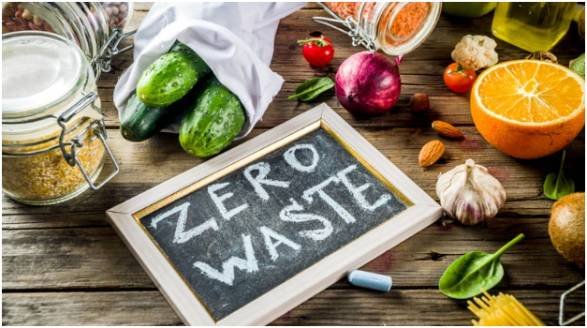
At first, I thought zero waste meant glass jars everywhere and Pinterest-worthy pantries. That version overwhelmed me fast. I burned out trying to do everything at once, which only made me quit harder.
Once I reframed zero waste as refusing what I don’t need and using what I already have, everything changed. The pressure disappeared. I stopped replacing items prematurely and focused on reducing waste where it naturally showed up in my day—shopping, cooking, cleaning, and personal care.
Zero waste lifestyle tips work when they slide into routines you already follow. If a swap adds stress, it won’t last. I learned to pick the changes that felt boringly doable—and those are the ones I still use today.
How did zero waste lifestyle tips change the way I shop for food?
The grocery store used to be where most of my waste started. Extra packaging, impulse buys, and forgotten produce added up quickly. Meal planning fixed more than I expected.
I began planning meals around what I already had before shopping. That one habit cut food waste dramatically and saved money. Bulk shopping came next. I brought cloth bags and reused jars for grains and nuts, even if I only filled a few at a time.
Reusable produce bags felt like a small thing, but they became second nature. The same happened with beeswax wraps. I didn’t throw out plastic wrap immediately—I used it up first, then replaced it slowly. That mindset made zero waste lifestyle tips feel practical instead of extreme.
What zero waste lifestyle tips actually stuck in my bathroom routine?
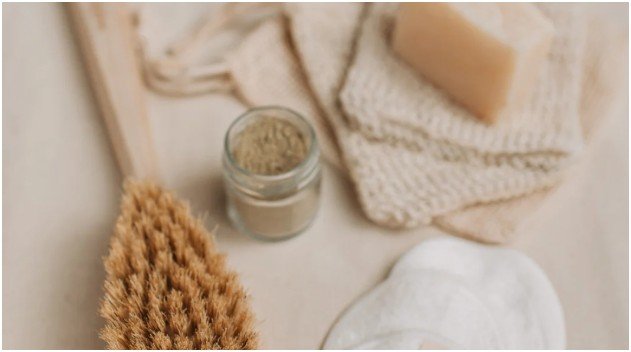
My bathroom was full of plastic before I changed anything. Bottles everywhere, most of them half-used. I didn’t toss them—I finished them.
Bar soap was my first swap. Then shampoo and conditioner bars followed. They lasted longer than bottled versions and removed clutter from my shower. I switched to a safety razor next, which surprised me by giving a better shave with less waste.
The biggest shift came from menstrual products. Reusable options cut monthly waste almost completely and saved money fast. These zero waste lifestyle tips stuck because they improved my routine instead of complicating it.
How did zero waste lifestyle tips simplify my cleaning habits?

Cleaning products used to be a revolving door of plastic bottles. I replaced that chaos with a few simple DIY mixes using vinegar, baking soda, and water. They cleaned just as well and removed decision fatigue.
Paper towels disappeared slowly. Old t-shirts became cleaning rags, and suddenly spills felt less wasteful. Going paperless helped too. Digital bills and stopping junk mail reduced clutter I didn’t realize stressed me out.
Zero waste lifestyle tips aren’t only about trash. They’re about fewer things to manage—and that mental relief surprised me the most.
How-To: How I built a zero waste lifestyle without burning out
I didn’t follow a checklist. I followed my trash.
Step 1: I did a simple waste audit. I looked through what I threw away most often and picked one item to replace.
Step 2: I refused extras. No freebies, no unnecessary packaging, no impulse “just in case” purchases.
Step 3: I reduced before I replaced. I finished what I owned before buying sustainable alternatives.
Step 4: I reused creatively. Jars became storage. Old clothes became rags. Nothing fancy.
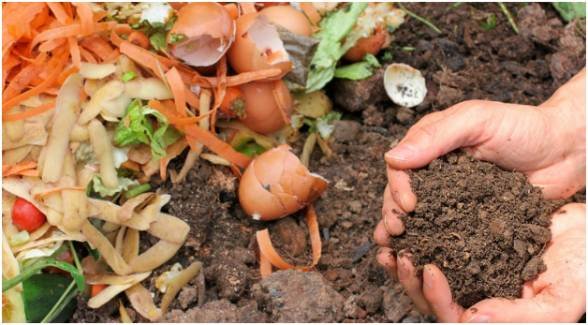
Step 5: I composted what made sense. Food scraps dropped dramatically once I planned meals better.
That slow, intentional pace made these zero waste lifestyle tips sustainable long-term.
What swaps gave me the biggest impact for the least effort?
| Swap | Effort Level | Impact |
| Meal planning | Low | High |
| Reusable produce bags | Very low | Medium |
| Bar soap & shampoo | Low | High |
| DIY cleaners | Low | Medium |
| Carrying a “to-go” kit | Medium | High |
The best zero waste lifestyle tips don’t feel heroic. They feel obvious after a while.
FAQs About Zero Waste Lifestyle Tips
1. Is a zero waste lifestyle realistic for busy people?
Absolutely. I’m busy too, which is why I focus on routines that don’t add extra steps. Zero waste lifestyle tips work best when they replace something you already do, not when they create more work. Meal planning, refusing extras, and reusing items save time long-term. Start with one habit and let it become automatic before adding another.
2. Do zero waste lifestyle tips cost more?
They can, but they often save money over time. Reusable items last longer, and planning reduces impulse spending. I stopped buying duplicates and disposable products, which balanced out any upfront costs. The key is using what you already own first instead of rushing to buy “eco” replacements.
3. What if my city doesn’t support composting or recycling well?
That’s more common than people admit. I focus on refusing and reducing first, since those steps matter more than recycling. Even without perfect systems, zero waste lifestyle tips still help you consume less and waste less, which always counts.
4. How long does it take to see results?
I noticed changes within a month—less trash, fewer purchases, and more intentional habits. The biggest shift wasn’t my bin size, though. It was how calm my routines felt. That’s when I knew these habits would last.
The “Progress Over Perfection” Ending I Swear By
If I’ve learned anything, it’s this: zero waste isn’t about being impressive—it’s about being consistent. Some weeks I forget my reusable bags. Some days convenience wins. And that’s fine.
Zero waste lifestyle tips should support your life, not guilt-trip you through it. Pick one habit. Make it boring. Let it stick. Then move on to the next.
That’s how real change happens—quietly, imperfectly, and for the long haul.