

I used to treat writing a will like flossing. I knew I should do it. I kept saying I’d do it “soon.” And somehow, it always felt like a task for an older, more organized version of me.
Then a small life shake-up hit, and I realized something uncomfortable. If something happened to me tomorrow, the people I love would have to guess what I wanted.
That’s when I sat down and built my own how to make a will checklist. Not a legal textbook and a scary document. Just a practical, step-by-step way to get my thoughts, assets, and decisions in order without panic or perfection.
This is the exact system I followed, written the way I wish someone had explained it to me.
Why did I even need a how to make a will checklist?
I didn’t need motivation. I needed clarity. The idea of “making a will” felt huge, abstract, and heavy. A checklist broke it into real-life pieces I could handle between work, dinner, and everyday chaos.
Once I framed it as a lifestyle task instead of a legal event, everything changed. I stopped thinking about death and started thinking about responsibility. I wanted fewer loose ends and fewer future headaches for my family.
A checklist also helped me avoid emotional decision fatigue. Instead of spiraling, I handled one category at a time. Assets one night. People the next. Signatures later. Progress felt doable.
What should I list when inventorying my life and assets?
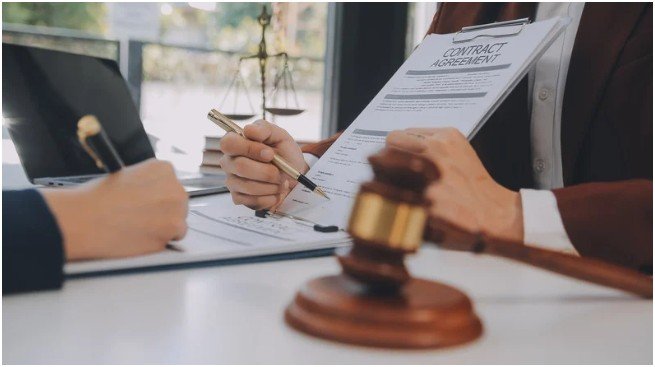
This part surprised me the most. I thought I knew what I owned. I didn’t.
I started with physical assets, my home paperwork, car title and a few meaningful pieces of jewelry. Family items that mattered emotionally more than financially. Writing them down forced me to see my life on paper.
Then I moved to financial accounts. Checking, savings, retirement, insurance policies. This step alone made the how to make a will checklist worth it. I realized how scattered my accounts were and how confusing that would feel to someone else.
Digital assets came last. Online accounts, photos, subscriptions, even domains. Modern life leaves a long digital trail, and someone needs instructions for it. Ignoring this part creates stress later.
Who should I really choose as executor and guardian?
Choosing people feels harder than listing things. I learned quickly that the “closest” person isn’t always the “best” person.
For my executor, I chose someone calm under pressure. Someone who follows instructions and finishes tasks. This role requires organization, not just trust. I also named a backup, because life happens.
Guardianship took more thought. I pictured daily routines, values, and energy levels. Not just love. If pets or children depend on you, this decision matters deeply.
I also included a digital executor. One person who understands passwords, platforms, and cleanup. That choice alone made my will feel current and realistic.
How did I decide who gets what without overthinking it?

This section can get emotional fast. I kept it simple.
I listed beneficiaries clearly, full names, no nicknames and assumptions. I matched specific items to specific people where meaning mattered. A ring here. A keepsake there.
Then I handled the remainder. The residual estate covers everything not listed. This step prevents confusion and fights. It also protects against forgetting something important.
A how to make a will checklist keeps this part grounded. Instead of obsessing, I focused on clarity. Clear instructions reduce stress for everyone involved.
What legal rules did I need to follow to make it valid?
This was the part I feared most, but it turned out to be straightforward.
I confirmed that I met capacity requirements. I’m over 18. I understood my assets. I knew who my beneficiaries were. I clearly stated that the document was my Last Will and Testament.
I made sure the will stayed in writing and that I signed it at the end. I arranged two adult witnesses who were not beneficiaries. We all signed together, at the same time, in the same room.
I added a self-proving affidavit and notarized it. Not because it was required in my state, but because it speeds up probate and avoids witness follow-ups later.
How to make a will checklist I actually followed step by step
This is the routine that worked for me. No legal overwhelm. Just focused sessions.
Step 1: Gather everything first
I spent one evening collecting documents. No decisions. Just gathering. That momentum helped more than I expected.
Step 2: Write rough answers
I answered each checklist question casually, like notes to myself. No formatting. No pressure. Just clarity.
Step 3: Draft the formal will
Once my answers existed, the actual drafting felt easy. I knew exactly what to say and who to include.
Step 4: Execute it properly
I scheduled witnesses, signed correctly, and handled notarization in one sitting. Done.
Step 5: Store and communicate
I stored the original in a fire-safe spot and told my executor where to find it. Silence helps no one here.
What mistakes does a how to make a will checklist help avoid?
| Common Mistake | How the Checklist Helps |
| Forgetting assets | Forces a full inventory |
| Naming unclear beneficiaries | Requires full legal names |
| Improper signing | Includes execution rules |
| Ignoring digital assets | Makes them visible |
| Never updating the will | Builds in review reminders |
This structure prevents future confusion and legal delays.
FAQs real people always ask me
1. Do I need a lawyer if I follow a how to make a will checklist?
Not always. Many simple estates work fine without one. If you own a business, have complex assets, or blended families, legal guidance helps. The checklist prepares you either way.
2. How often should I update my will?
I review mine every three to five years or after major life changes. Moves, marriages, births, and losses deserve updates. A stale will creates new problems.
3. Can a handwritten will work?
Some states allow handwritten wills, but courts challenge them more often. I chose a typed version to reduce risk and confusion.
4. Where should I store my will?
Use a fireproof safe or safe-deposit box. Tell your executor how to access it. A hidden will helps no one.
The “future you will thank you” ending
Writing my will didn’t feel morbid. It felt grown-up in the best way. I slept better knowing I left fewer questions behind.
If you take one thing from this, let it be this. A how to make a will checklist turns avoidance into action. You don’t need perfection. You need progress and clarity.
Do it once. Review it occasionally. Then get back to living your life, lighter and more organized than before.